
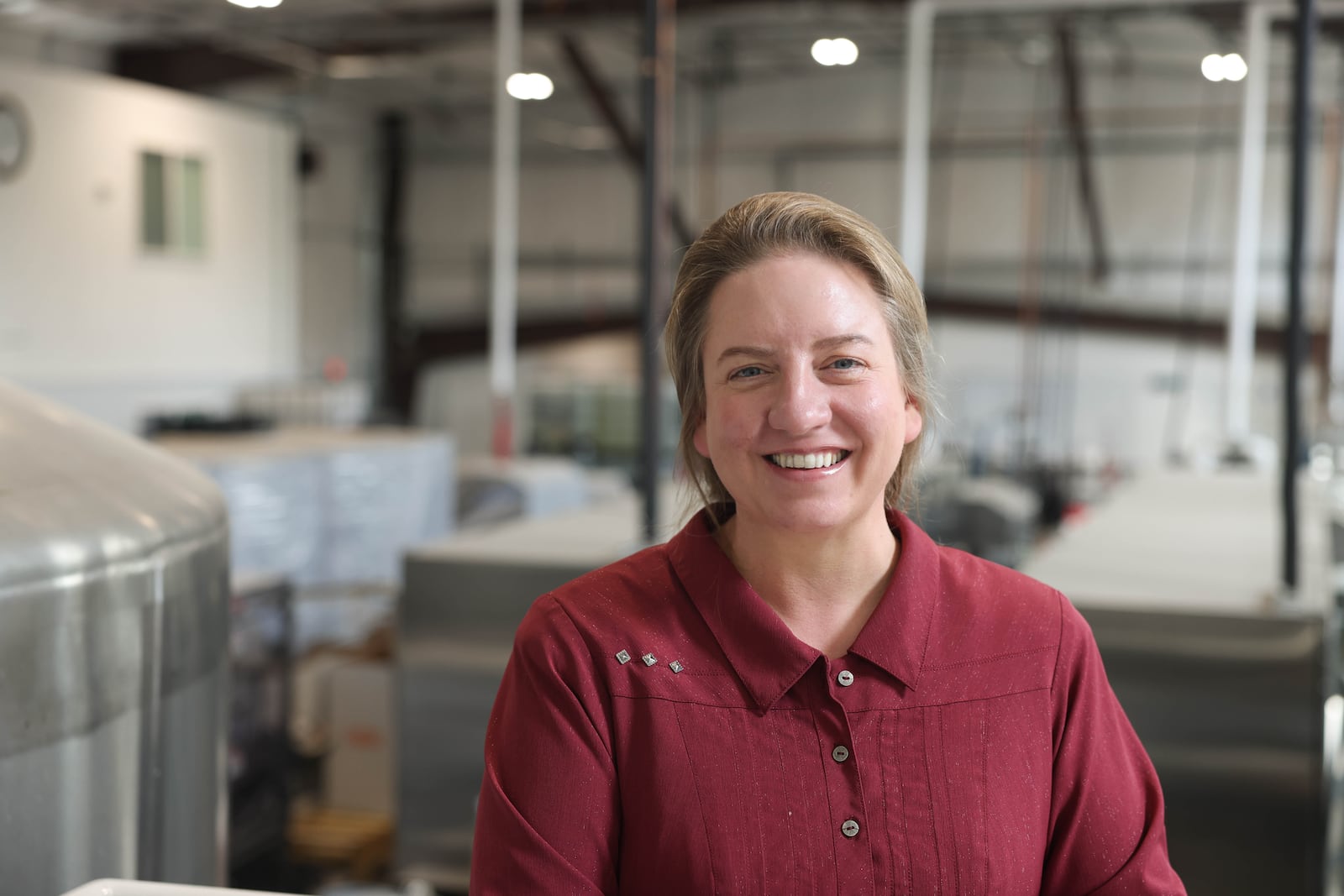
Before she became vice president of a large-scale manufacturing operation, Roxanne Johnson started making homemade olive oil soap to use with her children. “I started making soaps on my kitchen counter years ago, not really ever intending to grow some big business or anything like that,” she says.
Ephraim, a small city of about 6,000 in Sanpete County, might seem an unlikely place for a nationally scaled manufacturing operation. But the community is home to Soapcreek Manufacturing, a hair and skin care producer that has built a $30 million business around bottle-free, water-free products while investing deeply in the community around it.
Founded by Roxanne Johnson and her husband Fred, Soapcreek has grown from helping small-batch boutique businesses meet their distribution goals to manufacturing over 25% of the nation’s shampoo and conditioner bars. In recognition of Soapcreek’s growth, it has garnered awards including the Rural Business of the Year Award in 2024. Recently, Soapcreek finalized plans to expand its facility by 100,000 square feet to keep up with the increasing demand for its in-house product development options, tried-and-true product formulations and certified organic manufacturing capabilities. Today, Soapcreek contracts with major vendors like Walmart, Target, Kroger, Whole Foods and Amazon.
Ditching the bottle
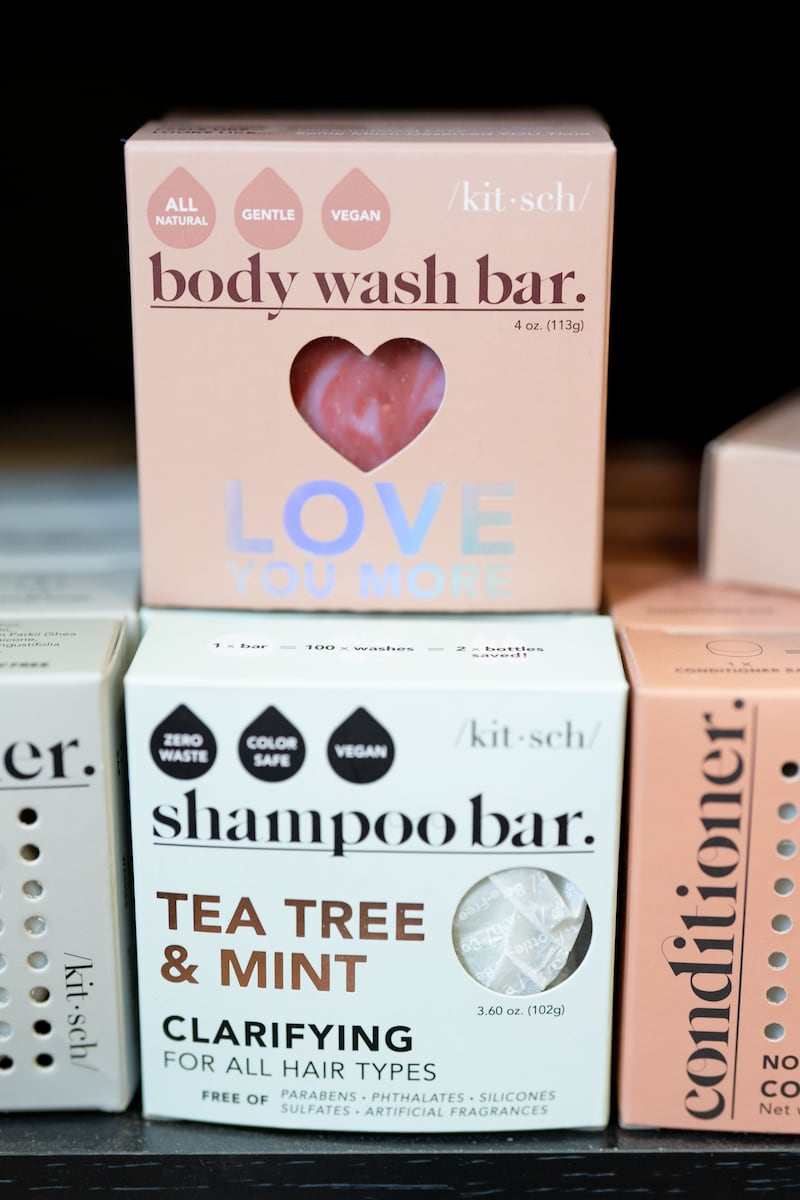
Soapcreek’s claim to fame is its emphasis on bottle-free, water-free hair and skin care products. Johnson has also launched her own brand of hair and skin care products called Bar & Bar, which demonstrates her own commitment to the sustainability of soap and shampoo bars compared with bottled products.
“Customers that we were manufacturing for didn’t really see the sustainability impact that the bar movement is making,” Johnson says. “The bars have exactly what’s in a liquid shampoo, but there’s no bottle, so there’s no water being shipped needlessly around the country. Every truckload of shampoo bars that we ship out replaces five truckloads of plastic bottles.”
An emphasis on sustainability has put Soapcreek on the radar for brands nationwide, and the focus on shampoo and conditioner bars taps into a growing national trend of waste reduction and green manufacturing processes. Gen Z in particular has expressed concern about water pollution and consumption, and Soapcreek’s bottle-free and water-free production methods positively address these concerns. This emphasis on low-waste manufacturing has helped Soapcreek earn $30 million in annual revenue, and the demand for bar-based products is only expanding. This growth is primarily based on today’s consumers gravitating toward products that are environmentally friendly and made from natural products.
When Walmart called
Soapcreek began as a small operation making handmade soap from home, before the interest unexpectedly grew. “We started giving them out to friends and family, and it really helped them, so I decided to start selling to small markets and shops.”
In 2017, she and Fred decided to take their product on the road, so they booked a trip to Expo West in Anaheim, CA — long considered one of the biggest trade shows for natural and organic products.
After meeting with several big-box retail stores looking to market their brand of soap, it became apparent that the demand for a manufacturer was outweighing the demand for an individual product.
“At that point, we had to decide whether we were going to keep our boutique brand or turn into what was called a contract manufacturer,” Johnson says. “The numbers were just there, so we brought on our first Walmart contract at the expo.” They returned to Expo West the following year, where they secured their first Kroger contract. “That’s what really turned us into more than the little boutique brand and into a contract manufacturer,” Johnson says.
Since then, Soapcreek has been a trailblazer in the field of shampoo and conditioner bars, and Johnson has continued to use that experience to add value for the brands that contract with Soapcreek. “We’ve pioneered this type of product that’s just blowing up in the industry, and we’ve put in a ton of automation this last year for that as well,” she says.
“Roxy built this incredible path for herself and her family inside a community … where cultural expectations for women rarely include titles like vice president, formulator, or manufacturing founder,” stated Melanie Jones, CEO of Sego Leadership, in a social post about Johnson.
With an ever-expanding list of contracts, Johnson is continually planning for the future of Soapcreek and its facilities.
With an ever-expanding list of contracts, Johnson is continually planning for the future of Soapcreek and its facilities. In addition to the expansion, Soapcreek will continue to operate its current 45,000-square-foot facility. “We have expansion plans for years ahead,” she says. “Whether it’s fulfillment centers for the products we’re building, or warehousing, … we’re expanding.”
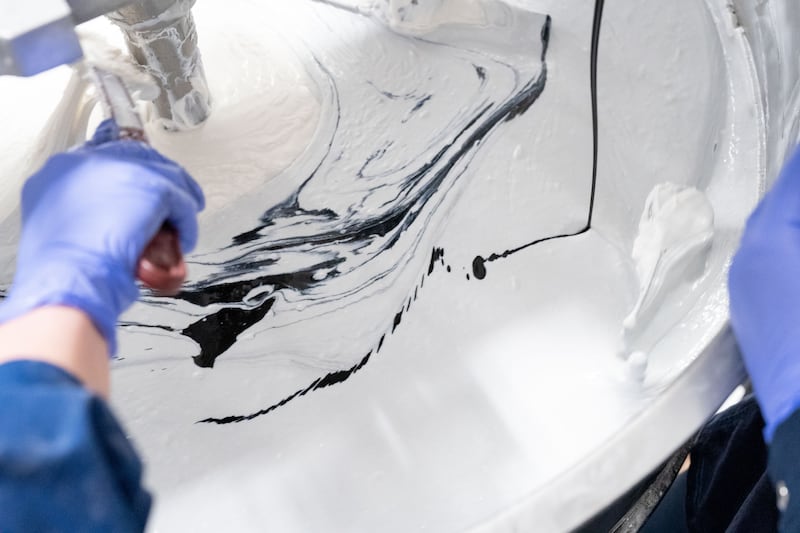
When clients contract with Soapcreek to manufacture the hair and skin care bars of their dreams, they get to take advantage of the facility’s various onsite capabilities. Soapcreek specializes in large-order production using a liquid batching process that offers heated and cold mixing, and saponification for those making liquid castile soaps. Johnson has disseminated her production expertise to her staff, which means someone at Soapcreek can provide client guidance every step of the way.
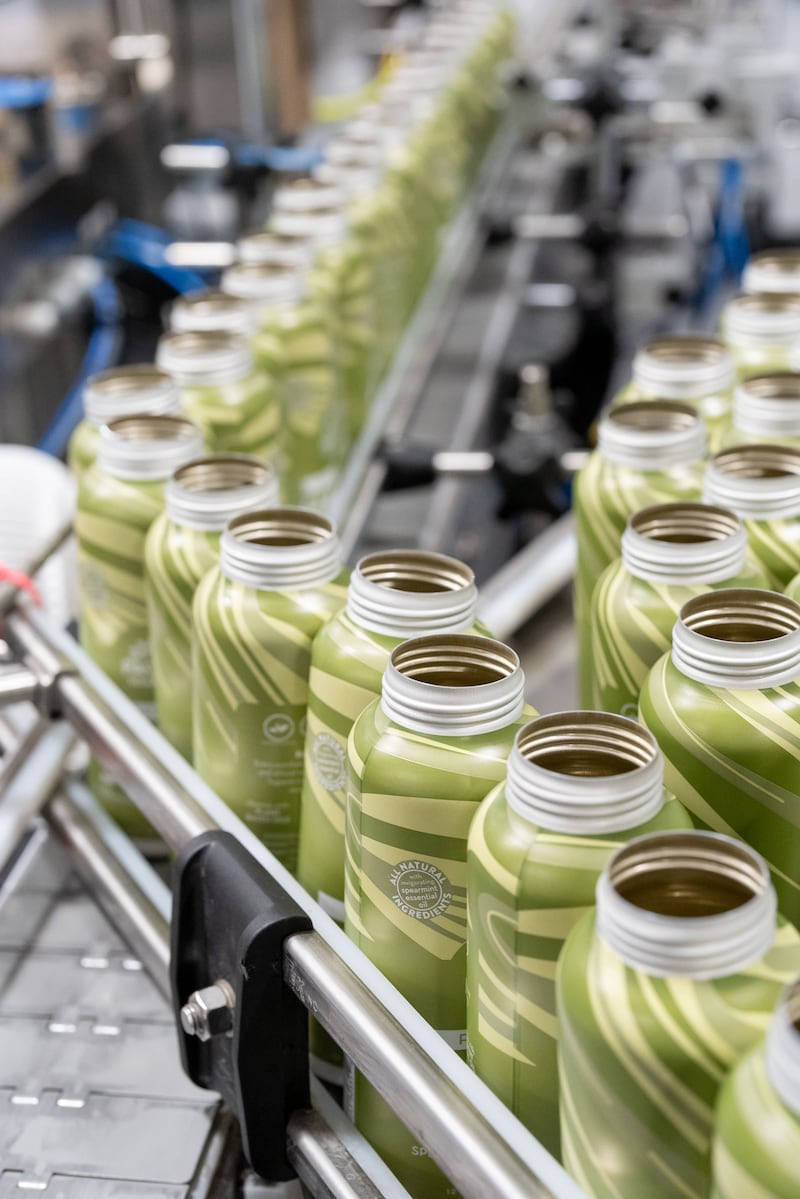
Though Soapcreek specializes in bottle-free soap and shampoo bars, the facility also offers efficient liquid and high-viscosity filling options for bottled products. Soapcreek’s facility also includes distribution capabilities that ensure client projects get packaged and shipped to fulfillment centers or warehouses across the nation.
Big enough to build a community
A large, continually growing enterprise like Soapcreek needs a lot of labor to support it, and the facility has created over 100 jobs, most of which are filled by women. “In peak seasons, we’ve been known to have almost 150 employees,” Johnson says.
In a small city like Ephraim with a population of around 6,000, Soapcreek is making a significant impact on the city’s economy. Even during the facility’s slower manufacturing periods, Soapcreek endeavors to find paid opportunities for its employees around the community. “When we have employees available in the off-season, we’ll still pay them to clean up parks and help out in the community,” Johnson says.
Being farther from the metropolitan areas of the Wasatch Front, Soapcreek’s presence in Sanpete County helps foster a professional community without the commute. “One thing that’s advantageous for us to be here in rural Utah is that we aren’t competing for labor,” Johnson says. “People can come to work here rather than driving two hours up north to Provo. We’re also paying above average county rates because that’s just who we are and what we stand for.”
The kind of expansion that Soapcreek is visualizing will require recruiting specialists and workers with manufacturing skill sets, but such growth necessitates investing in Ephraim’s residential areas. “The housing is incredibly difficult here, so we did just recently purchase a 12-acre piece of land that we’re looking to use for starter homes or small homes,” Johnson says. “We’ve got some subdivision plans, and we’re building out some good infrastructure.”
As Soapcreek continues to grow, Johnson and her team have prioritized a positive community impact. Faylyn Warnick, president of the Sanpete County Chamber of Commerce, has praised Soapcreek’s business model and community-minded manufacturing practices. “They’ve made a great contribution to the area,” Warnick says. “They’ve been mentors to many people in the community, and that’s a huge economic benefit to us.”
Warnick also speaks to Soapcreek’s commitment to keeping its business in Ephraim and focusing on the surrounding community. “They’ve worked really hard to stay in the community and not move somewhere else,” Warnick says. “When a business grows so fast and does so well, it’s hard to catch up. They’ve done well to solve those issues so they can stay here.”
Among Johnson’s community investments is a restaurant called Harvest Grill, a modern take on the classic small-town diner. “We have clients and business partners coming in, and there was nowhere to meet here in Ephraim,” she says.
Opening Harvest Grill is a prime example of Johnson’s ability to recognize a business need that would also benefit the community. Harvest Grill is not only a locally owned business that has created more jobs, but it serves as a valuable third place for community members to meet and enjoy locally sourced food together.
While large-scale manufacturing facilities can have a negative reputation, Johnson is committed to making Soapcreek a positive influence and empowering the rural areas of Ephraim and all of Sanpete County. Johnson and her leadership decisions continue to be an example of responsible stewardship that is becoming rarer in a world where manufacturing facilities take more than they give.
From its sustainable production methods and trailblazing in the field of water-free hair and skin care products, Soapcreek is raising the standard of how manufacturing facilities interact with their communities. Johnson’s civic-minded investment in the community with a restaurant and housing opportunities is a welcome reminder of how business leaders can elevate their neighbors and grow together.