
When Scottish fútbol fans descended on Boston in June, the world witnessed not a clashing of cultures but a joining of companions as the city embraced the Tartan Army and their unending thirst. Similar stories of tourists and locals bonding popped up around the country during the 2026 FIFA World Cup games. Despite political turmoil, foreign visitors reignited communities and celebrated everything from ranch dressing to Costco to air-conditioning.
While the ROI (return on investment) is still being calculated, the larger pool of teams already had experts theorizing that this year’s competition would be financially record-breaking. What no one can predict, however, is how large the ROX (return on experience) will be.
When calculating ROI, organizations focus on the immediate, measurable financial return of an event — meaning ticket sales, hotel occupancy, restaurant revenue, sales tax, etc. Jay Kinghorn, co-founder and chief innovation officer at Zartico, says he defines ROX as “a person’s desire to return to a destination.” From there, he recommends organizations focus on the quality of a visit to determine the true ROX, or long-term value, of a person’s experience.
To determine the quality of a visit, Kinghorn says not all dollars spent are the same.
“If somebody comes through [and] … they maybe spend 15 bucks at a fast food restaurant, they haven’t had [the same] depth of engagement with the community as somebody who stays overnight, has dinner in a restaurant, breakfast in the restaurant and does some shopping,” he explains.
Tourists are part of your population
At Zartico, Kinghorn’s team helps city leaders understand which markets are most likely to engage in a deeper way with their communities so advertising can be crafted to better target those groups. “It’s a way of getting out of the short-term, ROI-driven [marketing] and into a more comprehensive growth plan,” he says.
While ROI-focused planning is a good start, it can quickly lead to crowding, congestion and resident frustration. In Utah, small communities see this especially during summer months, when visitors pack into more rural towns for vacations and family reunions. These mass influxes help keep small-town businesses afloat, but also wreak havoc on infrastructure and resources.
Instead, cities should consider their tourist population as just one part of the community and focus on improving all across the board. “When we see that take place, there’s still an emphasis on ROI,” Kinghorn says. “[But destination marketing organizations] act slightly differently in terms of the day-to-day marketing tactics, … increasing the quality of visit and growing the health and vibrancy of the community through the visitor economy as a way of growing the overall resident satisfaction.”
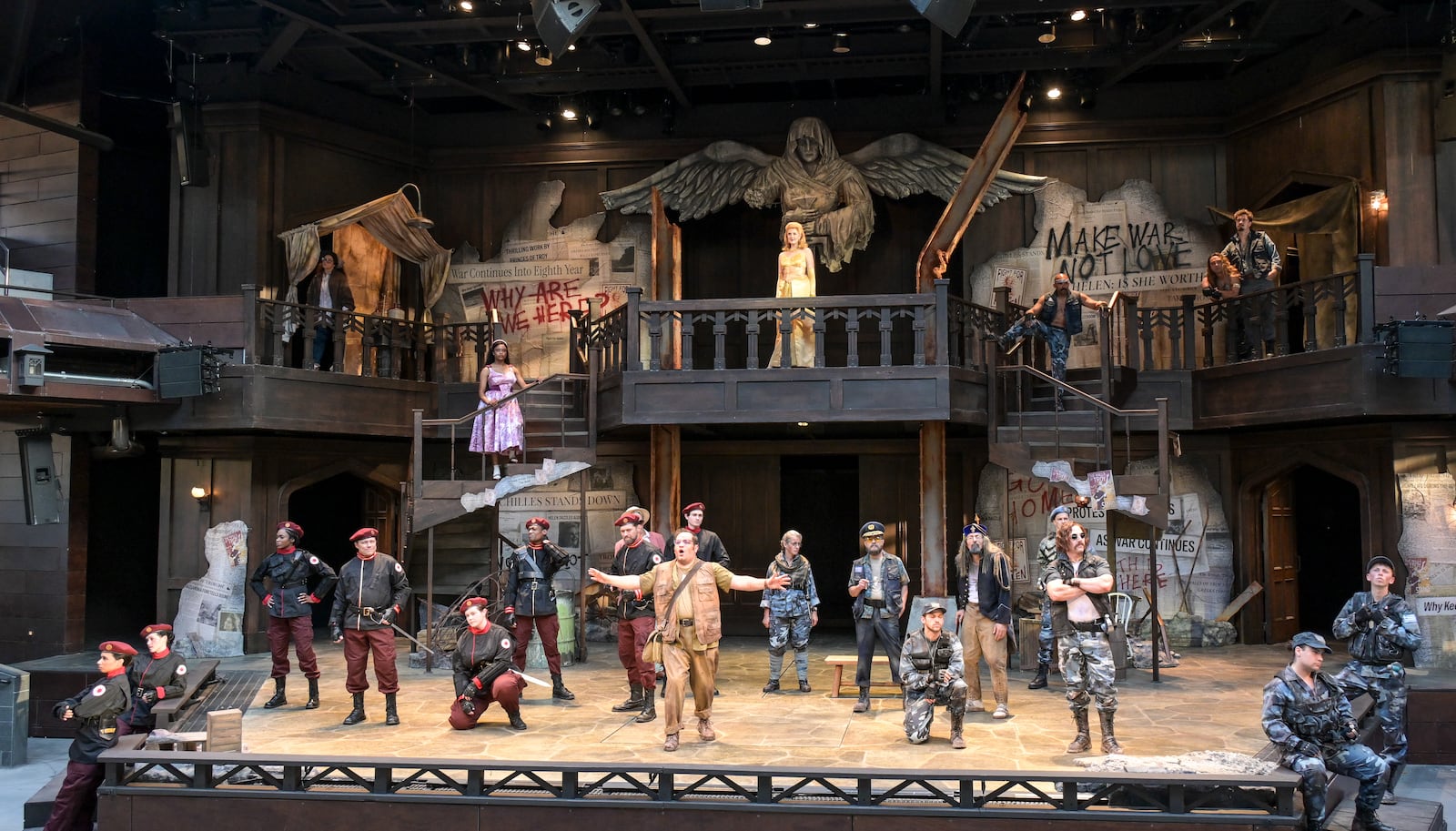
One of the best local examples of balancing ROX vs. ROI is Cedar City, also known as Festival City, USA. While Cedar City hosts about 20 festivals every year, the Utah Shakespeare Festival is arguably the biggest.
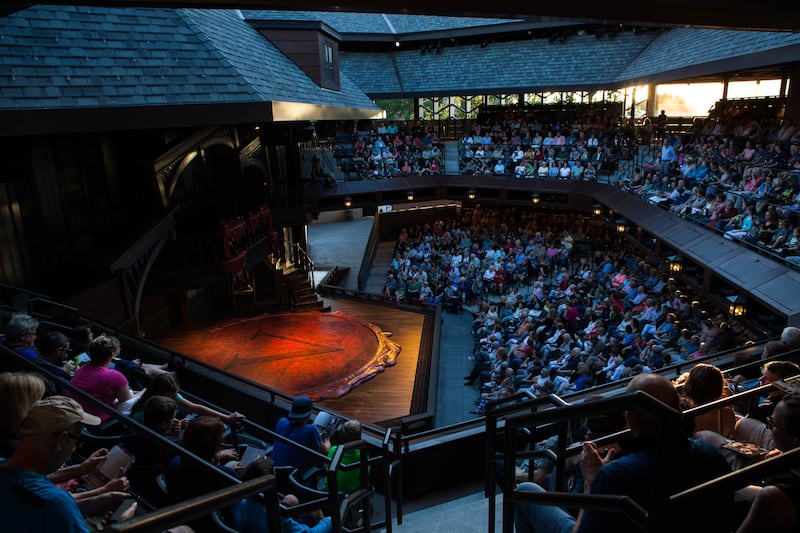
“The Shakespeare Festival is a big tent pole event, [but] they’ve been very deliberate in building their visitor economy through all of the assets that they have, so they’re diversified in their approach,” Kinghorn says. “They’ve been very consistent in that approach, and then what you see as an outgrowth of that is the businesses, the restaurants, the retail places up and down Main Street; they’re able to take root.”
Kinghorn says data for Cedar City shows $3-5 out of every $10 spent at restaurants comes from visitors. The quality of life and diversity of businesses that Cedar City residents enjoy today is because of the visitor population.
Jaden Reardon, co-owner of The Pub Spirits + Craft Kitchen, has seen the town and his business grow significantly, even in the last few years, because of the festival. The summer festival season is his restaurant’s busiest, financially carrying it through the rest of the winter.
“[The Utah Shakespeare Festival] brings people from all over the world, and … during that time, we see a huge uptick in business. Our business has grown pretty significantly over the last two years that we’ve owned it,” Reardon says. “This year, for example, year-to-date I’m up 40%.”
Build it, and the people will come
When Fred Adams moved to Cedar City from New York City, he fell in love. He loved the city, and quickly fell for Barbara Gaddy too. Being a theatre professor, Adams decided to start a Shakespeare festival to help more people visit and enjoy Cedar City.
Today, the festival brings 100,000 people to the area each year. Brittney Corry, communications director for the Utah Shakespeare Festival, leads the modern effort to market the festival and city itself. While KPIs focus on ticket sales, her team’s dedicated to showing the world that Cedar City has “Theater Worth Traveling For.”
While working with Maria Twitchell, the executive director at Cedar City-Brian Head Tourism Bureau, Corry’s team realized festival patrons loved the shows but didn’t know how to spend a whole week in the area. Together, the two organizations began a campaign to educate visitors on the many unique experiences available to them around the city and county.
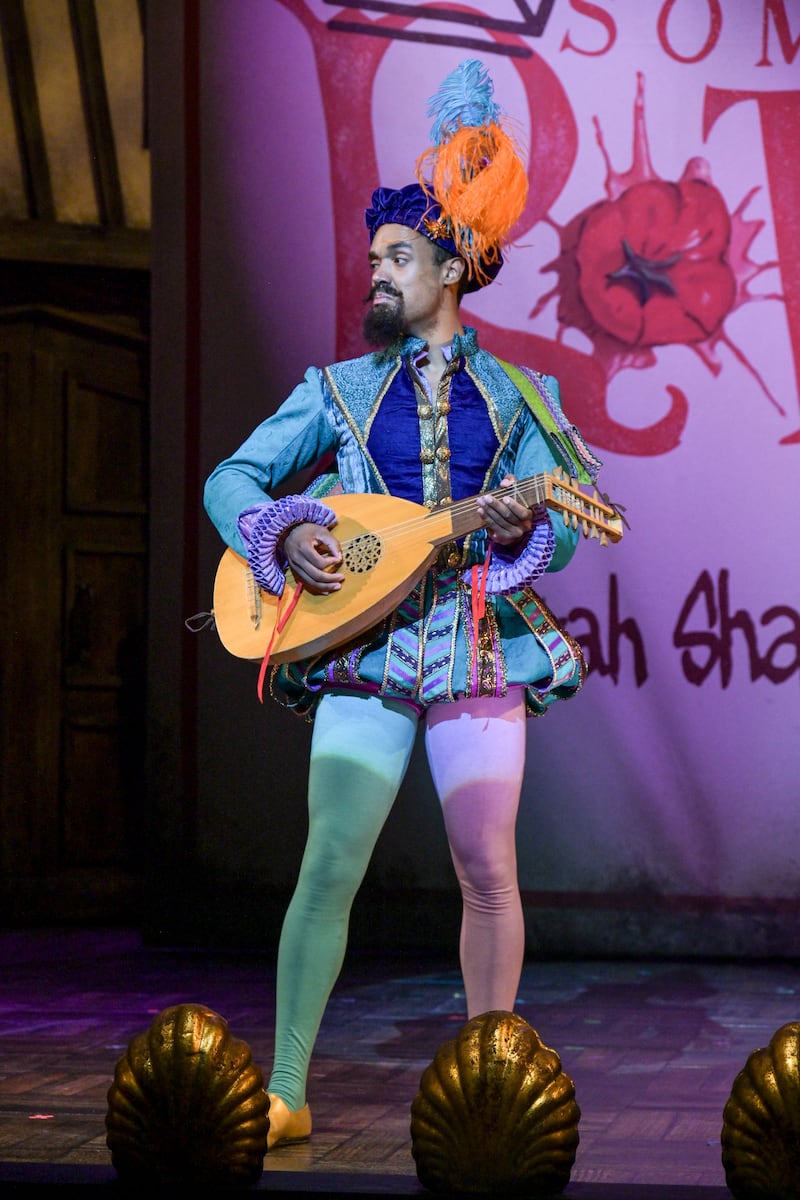
“We produced a campaign called ‘Theater Worth Traveling For,’ and we saw that it was outperforming ticket sales beyond our cast announcements, which at that time of the year was our number one driver of ticket sales,” Corry says. “We realized people really do need this help and information.”
Whether it’s sampling local honey; touring a cotton shearing shed; visiting a national park; or attending the festival’s several seminars, meet-the-actors events, or green show, Corry and her team are investing in elevating festival attendees’ experiences throughout their entire stay in the area.
The Shakespeare effect
As the Utah Shakespeare Festival added to Southern Utah University’s already thriving arts scene, so too has it added to residents’ quality of life. Cedar City’s estimated 41,000 residents experience world-class theatre regularly during summer months, and the community’s focus on ROX over ROI has brought other amenities that benefit residents year-round.
Beverly Burgess with Safari Hospitality is currently building a new hotel one block from the festival site, including a brand-new underground parking garage. The development will bring congestion relief for the town, along with several jobs and more tax revenue for the city.
Doug McCombs, owner of I/G Winery & Tasting Room, is preparing for his eighth year hosting Utah’s Wine Festival, a full weekend of tastings, dinners and celebrations that gathers wine enthusiasts from across the country. McCombs says the festival helps showcase and promote the growing number of wineries in Southern Utah. And, being located in “Festival City, USA” helps bring people into town — “of course that’s good for everybody.”
Reardon has invested in improving The Pub Spirits + Craft Kitchen, which previously only provided theatregoers with midday, to-go sandwiches. Now, the business has a full restaurant and sit-down bar with a cocktail menu. Reardon says every investment came from an emphasis on ROX rather than ROI.
“If you invest in the customer’s experience, you are bringing in an ROI, since people will keep coming back,” he says. “We wanted to create our take on a flamboyant English pub. … I feel like we’ve created an environment where people can go and escape and just be. … We hear all the time, ‘I didn’t expect to find this in Cedar; I’m from California. I’d expect to see something like this there.’”

How can your city do it?
1. Keep local businesses informed.
Cedar City’s tourism bureau, Visit Cedar City Brian Head, sends out frequent email newsletters to keep local businesses and residents informed of what activities, festivals and gatherings are on the horizon, allowing businesses to adequately prepare for visitors. For Burgess, that means ensuring guest rooms are available and ready to book. For Reardon, it means training extra staff months ahead of the busy season so no one’s first day falls on a festival.
“We start hiring in March and April so that we have staff trained and ready to go for June,” he explains. “Also, you have to start bringing in a lot more inventory to make sure you’re not running out of food. … Preparing in advance is really the key to being able to do it and do it well.”
2. Take resident sentiment surveys.
Kinghorn says many of the destinations Zartico works with commission resident sentiment surveys annually to keep a close eye on how residents feel about visitors, growth and various other issues. These surveys and other tools help destination marketing organizations stay ahead of negative sentiment and truly connected to their cities. Kinghorn says when sentiment breaks down, it’s often due to a lack of communication more than anything else.
3. Track ‘how many visitors came to an event, not just attendees.’
The ROX vs ROI debate can often come down to the ability to accurately track and gain data on the two methods. ROX can be difficult to get concrete numbers on, while ROI is staring at you from the bottom line. Kinghorn gives this simple directive for gathering real-world ROX data: “Work on understanding how many visitors came to the event, not just how many attendees. That’s the most meaningful number that they start to track if they’re looking for event-related growth.”
He explains that if event organizers see that 20,000 people purchased tickets to attend, then 20,000 people are generating new money. However, that money isn’t necessarily “new” or even from visitors. “If 15,000 of those are residents, you’ve effectively moved spending that would have happened on a Saturday elsewhere in the community and concentrated it at the event venue, but you haven’t really changed the volume of spending.”
4. Use incentives to spread density.
Cedar City usually expects to attract over 4 million visitors each year. Thankfully, they don’t all arrive on the same weekend. To spread out visitor density, the city programs events throughout the summer and into the fall. With several national parks nearby as well, the more attractions they can spread over more time, the longer their booming summer season lasts.
Corry says the Shakespeare festival similarly incentivizes visitors to come during less popular times, like mid-week, to help make the influx easier to manage.
“If we’re going to offer a discount to our patrons, let’s get them in on a Tuesday or Wednesday night, instead of trying to pad our houses even more on a Friday or Saturday. That helps everybody,” she says.

5. Work with the visitor economy, not against it.
Resident spending in a community remains fairly consistent over time. What changes is visitor spending, and what changes visitor spending is the number of amenities and opportunities for spending available to those passing through: the quality of their experience.
“For destinations looking to do right by their residents, enable more small business and entrepreneurship opportunities and attract more visitors, thinking of economic development and the visitor economy as part and parcel of the success formula,” Kinghorn says. “That’s the best way to do it.”