
This story appears in the December 2025 issue of Utah Business. Subscribe.
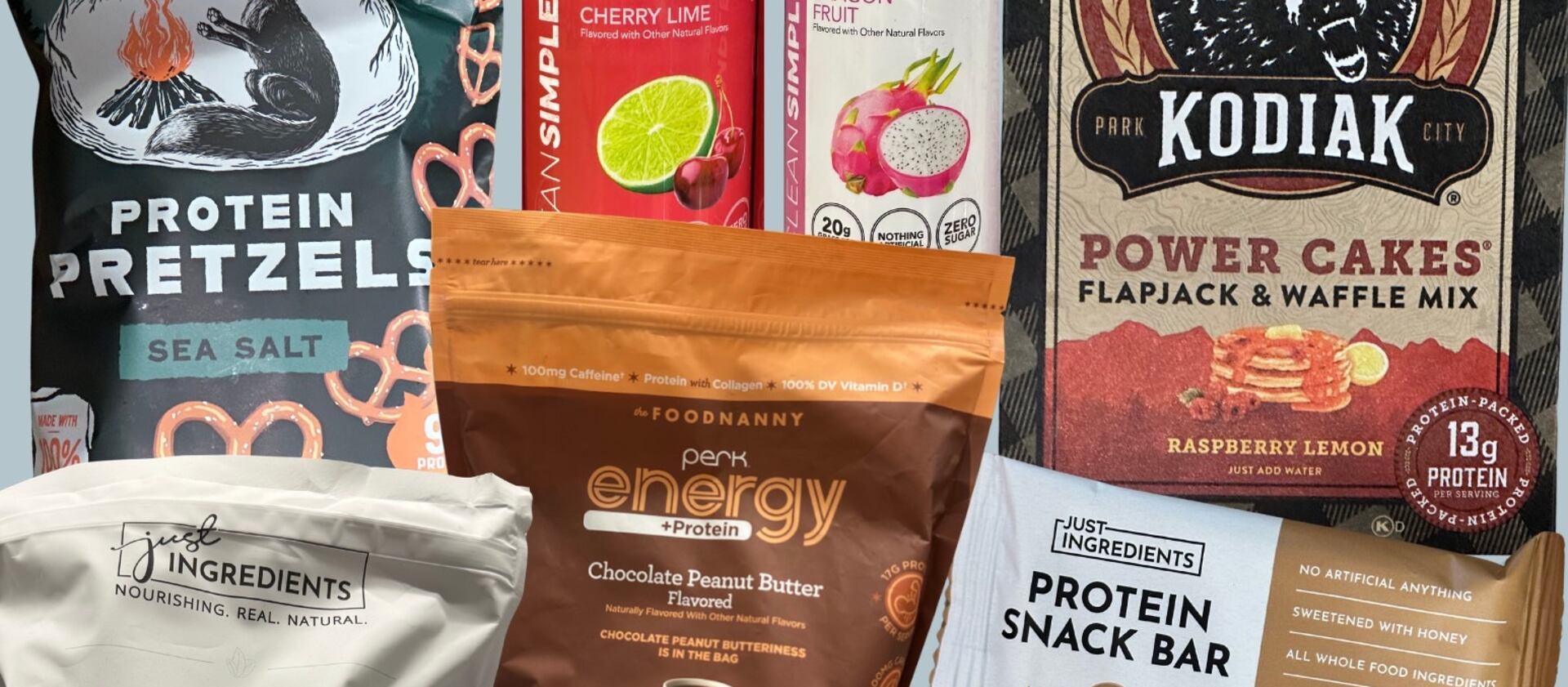
Walk the aisles of your local grocery store and you’ll probably notice something strange: protein is in everything these days. Popcorn, 10 grams! Pancakes, 30! Ice cream? Creamy, delicious and nutritious!
What’s behind the trend? Is this a genuine shift toward healthy living or just clever marketing? And which Utah companies are making the tastiest contributions?
The evolution of protein mania
A decade ago, “getting your protein” meant a chalky shake after the gym or upgrading a homemade recipe into something a bit healthier. Now? It’s everywhere.
“Everyone’s talking about the benefits of protein,” says Cameron Smith, the founder of Kindling Snacks and Kodiak Cakes. “Health practitioners are talking about it. Dieticians are talking about it. Moms are looking for more. Dads are looking for more. And so there’s an arms race of sorts among brands. One comes out at 24 grams, another at 28, and then it’s 36 and 45 and 50 and so on.”
The trend didn’t develop overnight, though. It started with innovations for the fitness community and grew from there.
“Protein shakes have been around forever,” says Jake Hadlock, the CEO of Nutriient, a Utah-based supplement manufacturer. “But then a while ago, they figured out a new way to filter whey, and we started making all these flavors we never could’ve before. So instead of just the standard chocolates and vanillas, you started getting flavors like strawberry, raspberry and other fruits.”
With new flavor options, manufacturers had the flexibility to experiment with protein in all kinds of unconventional places. Smith recalls first noticing the trend around 2014.
“We put it in pancakes. Then Chobani put out their protein Greek yogurt, and all of a sudden they were more popular than Yoplait,” he says.
But fitness culture and tasty new flavors aren’t solely responsible for the explosion. There’s one more thing to consider.
The final catalyst: GLP-1 weight loss drugs
According to a KFF Health Tracking Poll, over one in ten Americans have tried a GLP-1 drug, while nearly 6 percent take the medication regularly. These people are doing more than trimming waistlines. They’re supercharging an entire product category: protein-infused convenience foods designed for everyday people who want quick, low-calorie, nutritious options.
“It’s staggering how many people are getting on GLP-1 drugs,” Hadlock shares. “And one issue is they can cause muscle wasting, since you’re not digesting as quickly or eating as much.”
Prescribers, of course, are aware of the side effects.
“Pretty much every provider in the GLP-1 space tells patients they should be eating more protein,” shares Kyler Ockey, chief product officer of Utah-based GLP-1 weight loss clinic ShedRx.
His clinic doesn’t leave it to grocery stores to support their patients, either. “We have a supplement line ourselves,” he continues. “Rather than having them go elsewhere, we offer protein waters because it’s an easy way for patients to get their protein without the added calories of a shake.”
Protein for the rest of us
The vast majority of Americans want to eat healthier, and GLP-1 weight loss drugs are adding fuel to the fire. But accessibility also makes the current wave different than past movements.
These foods look, taste and cost roughly the same as their classic counterparts, so the barrier to “eating healthy” feels lower than ever. Instead of drinking meals or counting carbs, people are eating the same meals — fortified, yet familiar, and maybe a little bit smarter.
“People have a lot going on,” Smith begins. “They have kids, they have work, they have commitments. But they also want to eat a little bit better. So, Kindling snacks are a bit of a win — they can feel better throughout their day knowing they’re getting a balanced snack with more protein.”
Breakfast lovers can swap out traditional pancake mix for protein-packed flapjacks, protein cereal, or opt for a Greek yogurt that’s considerably healthier than its sugary counterparts. Even dessert isn’t off-limits: Utah’s Mallory Stevens spent the last three years developing Tuff Pops, an ice cream bar featuring 12g of protein.
“I wanted to create something that was accessible for everybody,” Stevens explains. “Take an ice cream bar, make it taste like a normal ice cream bar, and bonus! It has protein.”
But some additions to the market aren’t actually good for you — they’re just trying to get in on the trend.
Protein junk foods?
You name it, and you can probably find it: protein french fries, brownies, sour gummies, coffee, chips, and even mac and cheese or peanut butter cups.
“It’s surprising how protein is being lumped into all these foods that really don’t make sense from a health perspective,” shares Hadlock. “Conglomerates kind of just say ‘protein is the next big thing,’ throw stuff at the wall, and see what sticks.”
And from a marketing standpoint? It’s genius.
“Slap protein plus on the box, and it’s going to sell to a certain extent,” Hadlock explains.
Smith agrees: “Products come out, they throw a label on it, and they can 100 percent have success.”
So, beyond the obvious junk foods, how are you supposed to tell what’s good and what’s just a label? It’s complicated.
Healthy? Or just marketing?
A “high-protein” label signals health to consumers. But whether a product actually delivers depends on the fine print. With some products, the label is doing more heavy lifting than the food itself.
“Maybe they add a gram or two of protein fairy dust,” Hadlock laughs. “They can say it’s protein enhanced, but the product’s really not that different than before.”
Protein content may be easy to look for — compare a few labels, and see which one has a decent number of grams per serving — but knowing which ingredients are actually good for you isn’t easy.
“It’s not totally transparent,” Hadlock admits. “If you’re not used to looking at a nutrition label, it’s hard to know what’s good for you and what’s not.”
The key is to be conscious of what shows up earliest on the nutrition facts. Do you recognize the ingredients, or do they sound like chemistry terms? Then, look for the protein source. Are they using whey isolate — a concentrate where most of the fats have been removed — or just counting other inputs that happen to have trace amounts of protein?
When she was developing Tuff Pops, Stevens faced the same question.
“When I was first thinking about this, the biggest thing was that every protein product I saw had a bunch of weird ingredients,” she begins. “Then I thought, I don’t want a bunch of artificial sweeteners, stabilizers, and gums. I just want protein.”
After years of testing, she eventually landed on a recipe with only milk, cream, eggs, sugar, flavorings and protein — a formula that tasted like real ice cream, because it was real ice cream.
Tuff Pops launch nationwide in February.
Which products will last?
There’s a lot of junk wearing protein labels right now, as well as plenty of genuinely promising new foods on the market. But as trends come and go, the products that last will have one thing in common: people who actually want them.
And that comes down to creating the right product for the right consumer.
“Bodybuilders don’t really care if it tastes good. They just want their protein intake,” Hadlock explains. “But a stay-at-home mom might just want something normal that’s a bit healthier. It will be interesting to see how this plays out, but I think staple foods that make sense without much sketchy stuff in them will stick around, like pasta and cereal, and the fun marketing stuff like protein popcorn is just kind of silly.”
The fitness niche will always have a loyal following, but the broader market may be less forgiving of products that don’t make sense or don’t taste good. That’s why taste mattered so much to Stevens as she developed Tuff Pops.
“With a lot of these protein products, you’ll buy them once, but if they’re not delicious, you’re not buying them a second time,” she says.
Taste, matching your product to the right consumer, and creating products that are genuinely upgrades over classic analogs will be important. But Smith has another insight to add.
“There are a lot of great products, but not always great brands,” he begins. “If you’re not differentiating yourself from a branding perspective, then there’s really no reason why people need your product, and so you’ll probably have a shorter life cycle.”
In the end, brands that endure will strike the right balance — nutrient-dense but tasty, functional yet familiar — and create the kinds of foods people reach for not because it’s trendy, but because it tastes like protein was always meant to be there.
