

Sylvia Kapsandoy spent 20 years growing and utilizing her supply chain and manufacturing expertise in the laundry and beauty industry. Then, driving home one day, she realized it was time for a change.
“Food was an easier path for me,” she says, explaining that her experience was technical, but she dreamt of incorporating more creativity into her profession. That hope led to: “Let me just start my own business and figure out if we can even manufacture.”
Since 2013, Kapsandoy has crafted spices and seasonings to focus on health, family and home-cooked food. Her passion built Amboseli Foods — and its child company, USimplySeason — from a home-kitchen hobby into an industrial manufacturing facility, and they aren’t stopping there. The company is looking to partner with other local food entrepreneurs to enter the sauces space and is building an entire online community around cooking, called the “Flavorverse.”
Know your numbers
Kapsandoy learned many lessons over the last 13 years of entrepreneurship. Her biggest tip for anyone starting their own founder journey: Know your numbers.
“Definitely know your numbers. … It is the most boring stuff, but it is one area that you definitely, definitely need to know and understand,” she advises.
As the company went from a kitchen to an industrial facility and from Etsy to Amazon, Kapsandoy realized her passion for the project would not pay the bills. To thrive, she steadily learned the basics of cash flow, product pricing and daily operating costs. Even a successful creative venture requires technical knowledge and skill.
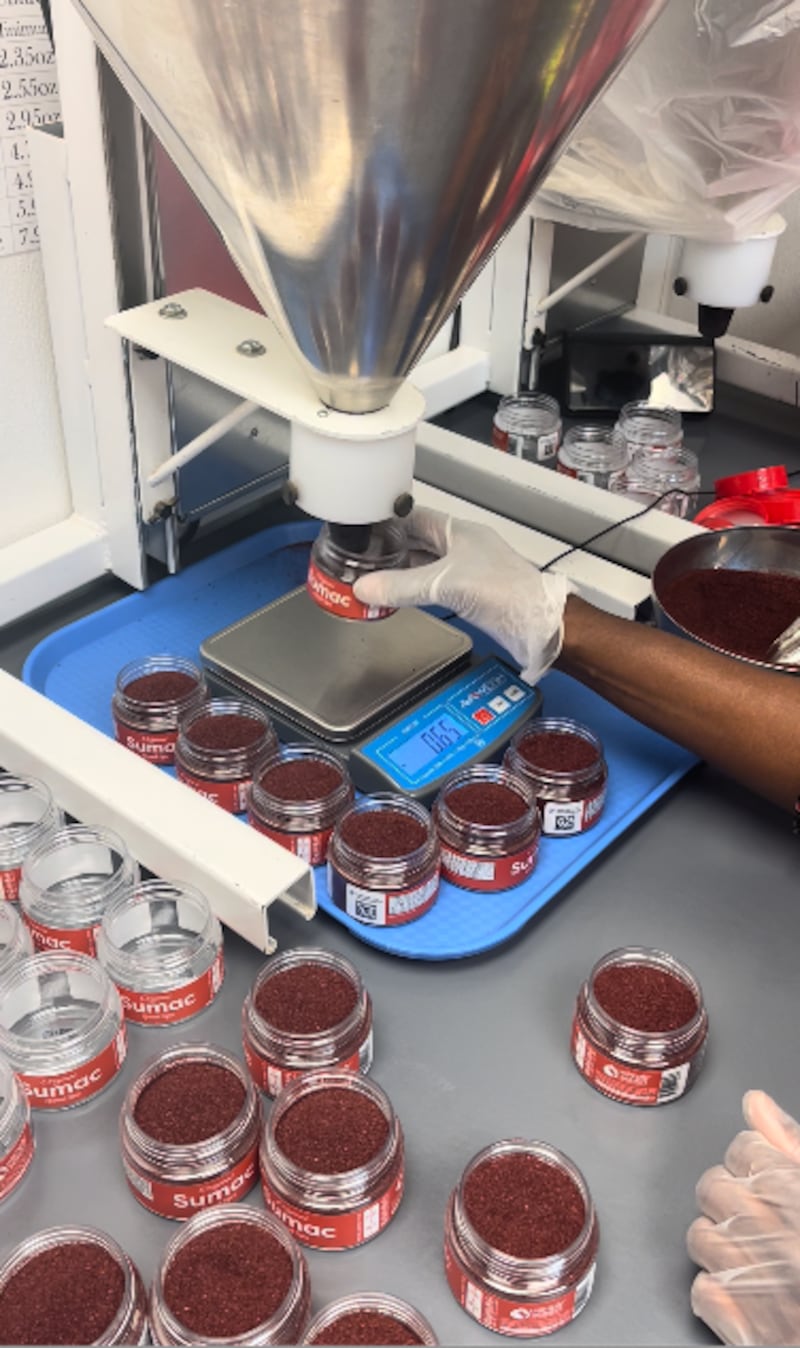
“I think understanding what your cash flow is enables you to know what you need to do to not only stay competitive, but to pivot if you need,” she says.
As growth required Kapsandoy to delegate more and more tasks, she eventually hired accountants and bookkeepers to support her efforts. However, she didn’t delegate the entire mental load to her newly hired help — and she certainly doesn’t recommend doing so.
“I have bookkeepers, but just because you get bookkeepers and accountants, doesn’t mean you don’t keep an eye on what’s going on,” she explains.
The trade-offs of personal funding
A large part of Kapsandoy’s focus on the finances came because she was determined to self-finance her venture. Like cooking, business can be personal and a person’s company can be a reflection of themself. Kapsandoy worried that bringing on investors would incur pressure to expand or take the company down business avenues she didn’t agree with faster than she felt comfortable.
“You have to be aware; yes, there are opportunities out there, but what do you want your brand to be?” she asks, noting that, to her, bringing on investors posed the threat of bringing on unsustainable or unnatural growth to the company.
Even without investors, Kapsandoy faced pressure to expand into a bigger facility early on in her journey. At the time, the company experienced a growth spike and she did a commercial with Amazon. The thought of moving to a bigger space began to float around. While exciting, Kapsandoy said the fact that she is the sole owner and funder of the company kept her cautious — which is something she doesn’t regret.
“We looked at expanding into another space, but by the end, I [saw that the growth was] slowing down,” she recalls. “All those [financial] lessons came into play. … It looks good and everything, but maybe this is not the right time to expand.”
“Don’t ask me which spices I use, but I use quite a few in there. It just makes it easy. That’s my thing. That’s my goal. Make it easy.”
— Sylvia Kapsandoy
Instead, Kapsandoy focused on saving the extra income and investing in her business, improving inefficiencies, paying employees higher wages and preparing her company to be nimble for future changes and challenges.
Her vision is clear and if it means growing slowly to keep it in focus, she doesn’t mind. “There’s a case for patience,” she says.
Give the customers what they want
USimplySeason’s spices cover a wide range. Many are classics you may own and love already: Sumac, Mint, Chinese Five Spice. Others are more unique creations based on Kapsandoy’s Kenyan childhood and roots. She likes to tell a story through her food, but sometimes her majority-American audience can’t handle the heat.
“One of our No. 1 seasonings is Togarashi, which is the Japanese seven-spice. When we started making and selling it, a review came in,” she says. “This guy wrote like a full paragraph. … He liked it, but it was too hot; the whole narrative, I just started laughing.”
From that specific review, Kapsandoy went back to the drawing board and reformulated the company’s version of the spice to have less heat. She says they even added a few other things and that the current version of the spice fits the target flavor profile better than ever.
Togarashi has been a bestseller ever since.
Introducing the Flavorverse
Not one to forget a lesson, Kapsandoy’s next frontier for Amboseli Foods is called the Flavorverse. She says the platform will be an online community for “like-minded people who actually buy and use our product.”
Members will be sorted into groups based on their style of cooking and will help create active cohorts by sharing recipes, cooking techniques and releasing new flavor combinations to elevate everyone’s food. Kapsandoy hopes the platform will be a starting point for anyone new to cooking and a wealth of knowledge and creativity for those looking to add more spice to their meals. Subscribers may even get to innovate on spice blends, allowing Kapsandoy to gather community feedback like never before.
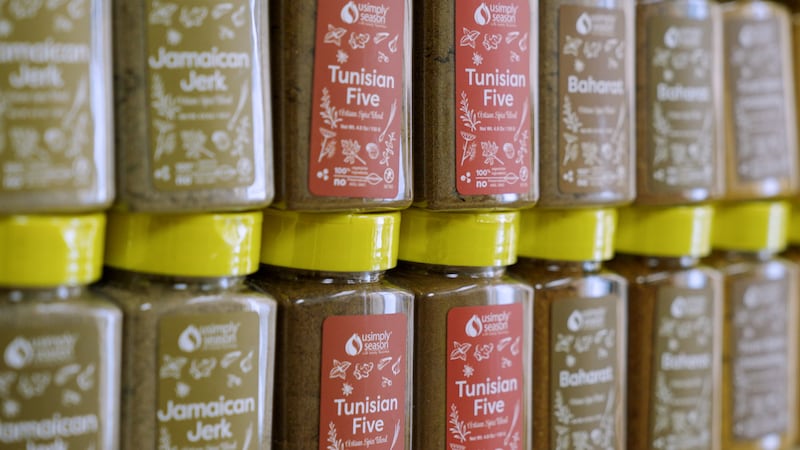
In many ways, the Flavorverse is just a scaled-up version of Kapsandoy’s personal approach to cooking: Keep it simple, experiment often and let flavor do the heavy lifting. Kapsandoy often jokes that she’s the laziest cook in the world; it’s easy to just add spices!
“My husband always thinks I’m the best cook in the world,” Kapsandoy says. “Don’t ask me which spices I use, but I use quite a few in there. It just makes it easy. That’s my thing. That’s my goal. Make it easy.”