
In March 2020, a few weeks after the pandemic started, Heidi Neville opened her first Prime IV Hydration & Wellness franchise. Within the year, she scaled her earnings to about $100,000 per month. Today, she owns or co-owns eight Prime IV locations in Utah, attracting around 200 new customers per month.
Neville credits grassroots marketing for her growth. In a world where marketing seems to center around buying search placements and paid influencers, Neville started her business by going out into the community and teaching Utahns on the product. “We had to educate them. That’s why getting out into the community and sharing was so important for us,” Neville says.
A conversation with Neville about her business reveals that her growth extends beyond grassroots marketing. It’s hard to believe her business would have been as contagious if she didn’t believe so deeply in her product and mission. Neville sees Prime IV as a way to help people feel like a better version of themselves.
Prime IV: A promise of more effective and customized supplement treatments
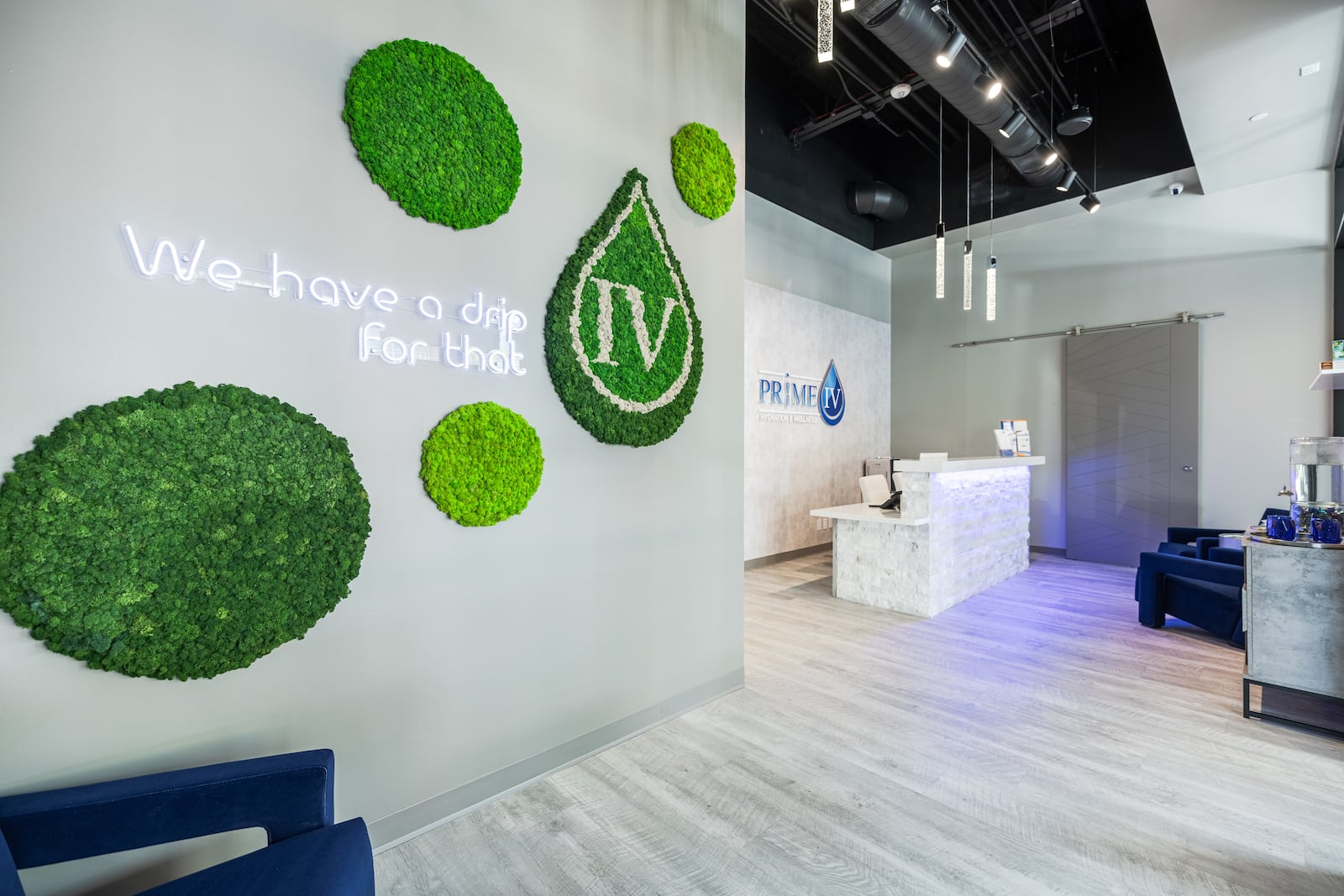
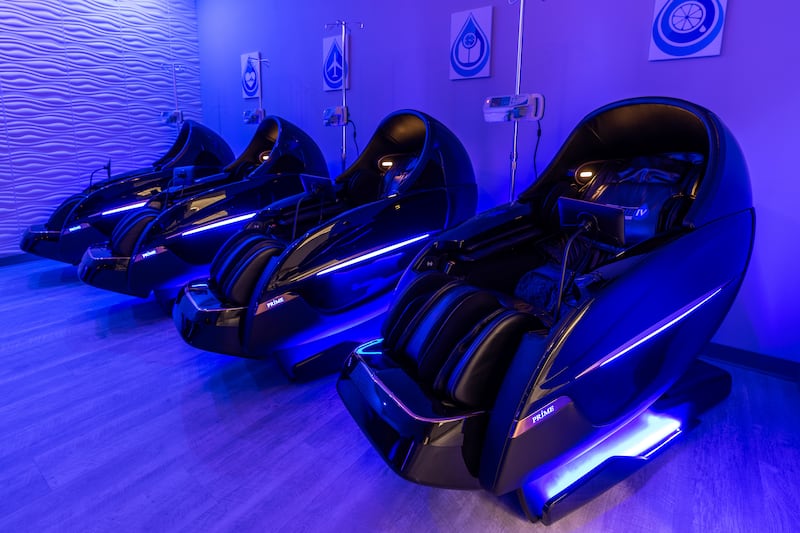
Prime IV provides therapeutic IV drip treatments, offering various cocktails of vitamins and supplements in appealing packages that can help with anti-aging, athletic performance, hangover recovery, etc. Neville’s vision was for Prime IV to be an excellent customer experience in a spa-like setting, not a clinical one, so that customers could relax and feel like they were taking a break from their day-to-day lives.
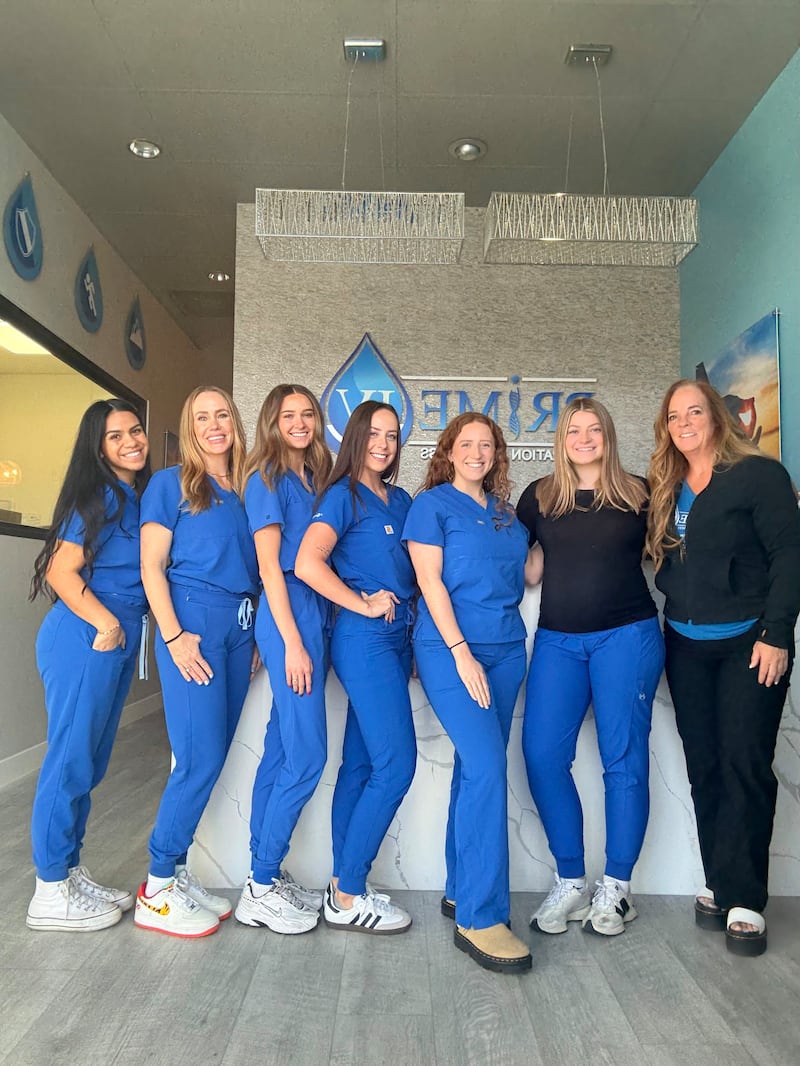
The spa experience extends past the facilities to the staff, who are friendly and invested in their patients. The IV infusion often turns into a series of conversations about their lives. “One of my staff even went to her client’s wedding. We build relationships with our clients,” Neville says. The staff is also held to high technical standards: There are no double pokes with needles at Prime IV. Neville believes needle pokes should be painless.
Marketing to people who don’t know your product
In March 2020, when Neville opened her doors, the idea of therapeutic IV treatments outside of a clinical setting was unheard of to most. There were a few companies beginning to advertise IV hydration treatments as expensive hangover cures, but the majority of the public was unfamiliar with IV therapies.
Reaching and marketing to customers for any new business is challenging. When it’s a business offering a product that no one knows about, it is even more challenging. When Prime IV opened, few people were typing “IV therapy” into Google Maps. This meant that Neville was not only tasked with the usual challenges of marketing a new business, but also with additional challenges of reaching and educating people on what IV infusions are. That’s why Neville’s first move after she opened her store was to attend community events and focus on education.
Take Vitamin D, for example. Neville explains, “A lot of people think that they’re not vitamin D deficient. There are so many people walking around, the majority of us here in Utah, who are deficient in vitamin D. Vitamin D really does affect your mood and energy. It is linked to depression. A lot of times, you can just get that vitamin D high enough and you’re going to feel amazing. I’ve had so many clients come in, and we get their vitamin D levels where they’re supposed to be, and it’s night and day for them. It’s amazing.”
IV therapy: Worth it?
In 2022, the NIH released data from 2001 to 2014 that found that around 66 percent of Americans had insufficient or deficient levels of vitamin D. This, in turn, can cause fatigue, joint pain and depression, as stated by the Cleveland Clinic and many other health research institutes. Benefits of vitamin C, another popular IV treatment, include anti-aging, boosted immunity and hydration.
There are many reasons Americans aren’t getting these nutrients without external help, including modern farming practices that influence our diet, an increased use of sunscreen and decreased time outdoors. People of color are even more susceptible to vitamin D deficiency, as melanin decreases absorption.
Results vary when it comes to determining whether IV therapy is effective due to small sample sizes and potential placebo effect responses. Clinical IV treatments for hydration and vitamin deficiencies (like vitamin C) have shown faster, better results than oral supplements. Overall, more expansive studies are needed to definitively say. As published by Living Well (and posted by the Mayo Clinic), some doctors seem to be wary of touting IV therapy as a substitute for a healthy lifestyle.
As indicated by the prevalence of vitamin D deficiencies, the majority of Americans may not be perfectly healthy and need external help to meet their vitamin and mineral needs. Neville recommends testing for all of her customers to identify how IV treatments can be most beneficial to them. “What we’ve noticed with people is that they don’t realize how bad they felt until they feel really good,” she says. “We’re just used to dealing with things. Especially as women and as moms, we just kind of [say], ‘that’s just how it is. We’ll be fine.’”
All of Neville’s staff are highly trained, and there is always an RN working. She says one of the biggest risks she sees in the industry is dirty needles causing infections. That doesn’t happen at Prime IV. Neville says if someone comes to her and is not suited to the therapy — due to heart conditions, allergies or other reasons — she won’t treat them.
Neville’s grassroots strategy
Prime IV’s value proposition to customers and Neville’s marketing strategy are refreshing when contrasted to the business climate of the past five years. Marketing for most companies today is focused on algorithmic placement and search engine optimization. It seems like instead of attracting revenue by offering value to customers, businesses are extracting more revenue without adding value.
A 2025 Consumer Reports study of 200 test shoppers on Instacart found each one of them had been subjected to discriminatory pricing, with some customers being charged 23 percent more for the same item. Since the study was released, Instacart says they disbanded the pricing tool which caused this, although they still claim only a small fraction of shoppers had been targeted. Instead of investing in innovation that could serve customers, Instacart’s algorithm used it to get customers to pay more for the same product.
Talking to Neville feels like a refreshing break from that. Her passion in her product and mission is reminiscent of the dominant philosophy in the 2010s: Invest in building the best product and the best experience for your customers, and they will come. Today, Neville says she gets most of her customers by word of mouth. Prime IV’s glowing customer reviews and astounding growth are a testimony that creating value for your customers may be the best marketing of all.