
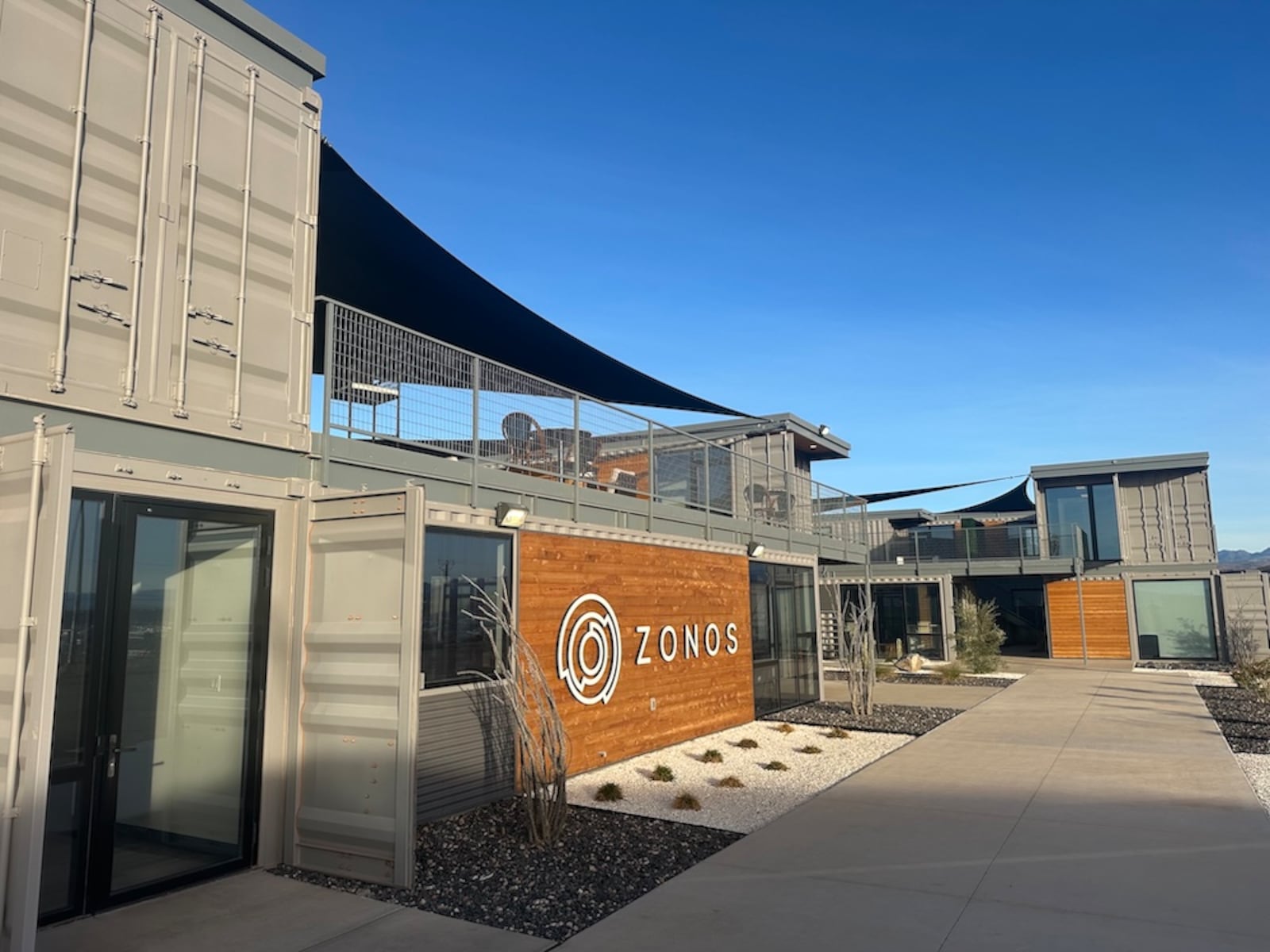
In August 2025, the rules of global shipping changed overnight. The United States eliminated the de minimis exemption, and within days postal operators around the world suspended shipments to the U.S. entirely. There was no infrastructure in place to comply with the new duty requirements—mail simply stopped moving.
Zonos built that infrastructure in weeks. Today, Zonos powers AI-driven trade compliance and tariff collection for U.S. Customs and Border Protection, including remitting U.S. duties for 83 postal operators worldwide—50 of the top 60. Contacts in Washington later told the team: “Zonos, you saved the mail.”
That moment made headlines. But it wasn’t luck, and it wasn’t sudden. It was the result of 16 years spent building the one thing almost no one else in shipping has: a genuinely agnostic, transparent position. Zonos doesn’t physically move packages, so it doesn’t compete with carriers, marketplaces, or postal operators; it gives all of them the customs data and compliance infrastructure they need to work together. Neutrality positioned Zonos well, but it isn’t the whole story. Zonos has a habit of solving problems before anyone officially asks, building for regulatory changes before they take effect, when there is still so much ambiguity that there doesn’t seem to be a clear path. That willingness to take chances on hard, unglamorous problems, ahead of when the market demands it, is what let Zonos release solutions in weeks when the rules changed for everyone at once. Most companies in this space aren’t built to move that way.
It started in a basement with no drywall
In 2009, Clint Reid was an international account executive at UPS, watching retailer after retailer refuse to sell overseas, not because they didn’t want the business, but because the technology to calculate customs duties, taxes, and tariffs didn’t exist yet. One meeting became the tipping point. Clint left UPS that August and started what was then called iGlobal Exports from his unfinished basement in Salt Lake City. No venture capital, no office, no drywall on the walls. He signed his first client from that basement.
Twelve years of bootstrapped persistence followed. The company relocated to St. George, Utah, in 2014, and rebranded as “Zonos” in 2018—a name to define a category that didn’t yet exist. In September 2021, Zonos raised a $69 million Series A led by Silversmith Capital Partners, the largest Series A in Southern Utah history, and its first outside capital after over a decade of building alone.
Infrastructure for every stage of a global shipment
International mail isn’t just commerce; it’s connection. It’s a grandmother in Toronto sending a birthday gift to her grandkids in Ohio. It’s a first-generation entrepreneur in Manila reaching her first American customer. It’s a family shipping belongings to a student studying abroad. Global trade has always favored whoever could afford the complexity: enterprises with compliance departments, brokers, and legal teams. Everyone else was priced out or scared off entirely. Most of what Zonos builds exists to close that gap.
With the Zonos Prepay app, anyone can snap a photo of what they’re shipping and have AI generate the customs data, calculate the duties, and handle payment in seconds. Picture that grandmother in Toronto again. She has no idea what an HS code is, and she doesn’t need to. She opens Zonos Prepay, points her phone at the gift she’s sending, and the same AI that classifies shipments for the world’s largest companies reads the photo and generates the customs description, value, HS code, origin, and duty, then takes her payment before she ever reaches the counter at the post office. No broker of her own, no forms, no expertise required. If her item needs additional information or a certification from a government agency, like the FDA or CPSC, the app tells her. A craftsperson in rural Canada now has the same compliance capability as a Fortune 500 retailer. When compliance becomes accessible, global markets open to everyone, trade becomes faster and safer, and the economic opportunity of cross-border trade stops being reserved for the biggest players.
Zonos’s technology also strengthens the systems societies rely on. Undervalued shipments, misdeclared goods, and vague manifests cost governments billions in lost tariff revenue and create genuine security blind spots at borders. Zonos AI closes those gaps: detecting undervaluation, validating country of origin, screening against denied-party lists, and giving customs agencies accurate data on what’s actually crossing their borders. U.S. Customs and Border Protection selected Zonos to help modernize tariff classification and duty collection, meaning its innovations now directly protect public revenue and border security, not just private commerce. Zonos’s compliance tools also support product safety: Agency Check helps ensure goods subject to Consumer Product Safety Commission requirements are properly certified before they reach American homes.
Finally, Zonos addresses a quieter issue: fairness to consumers. For years, international shoppers were ambushed by surprise duties at their door: a fee they never agreed to, on a package they’d already paid for. Refused deliveries, wasted shipping, and eroded trust were the norm. By calculating the full landed cost transparently at checkout, Zonos ensures people know exactly what they’ll pay before they buy. Transparency in trade sounds technical, but it’s ultimately about trust, and trust is what allows commerce between strangers across borders to work at all. Losing trust with surprise costs is one of the fastest ways to lose a customer for good. Transparency helps the buyer and the seller both have a good experience, where the buyer returns and continues shopping.
Merchants, marketplaces, carriers, postal operators, payment providers, and individual shippers all rely on some piece of this same infrastructure. No single company plays that role across the entire ecosystem, because doing so requires more than staying out of the shipping business itself. It requires building the connections that let every one of those parties work together, all grounded in transparency and innovation. That’s the bet Zonos made from the beginning, and it’s the reason the company could become critical infrastructure for the global trade network. Trade policy will keep shifting. Zonos’s commitment is to help the world adapt when it does.
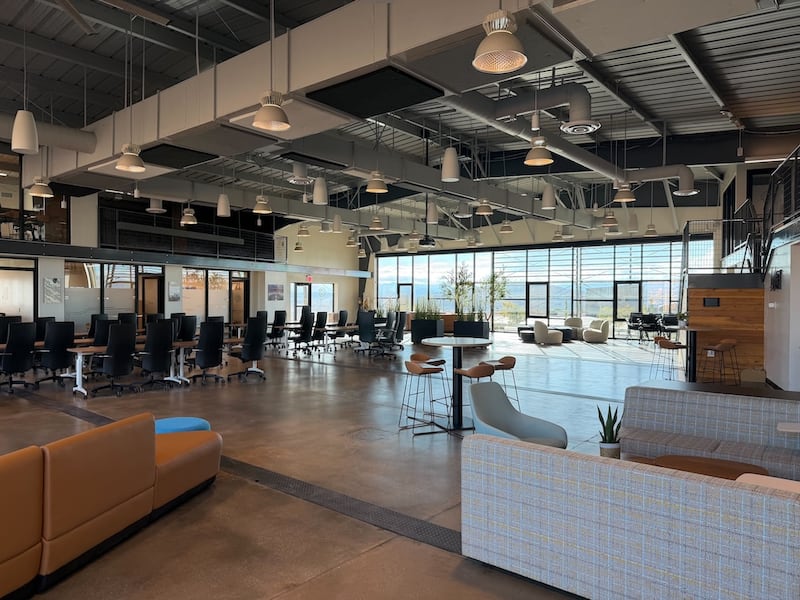
Five years of growth, one long bet paying off
The Utah Business Fast 50 measures growth over five years, and Zonos’s last five have been defined by that same pattern: solve a problem nobody else is positioned to solve, and let the growth follow. What positions Zonos is a pairing almost nobody else in the industry has: the neutral role it plays across the ecosystem, and AI it builds itself—proprietary models made for trade compliance, not adapted from someone else’s general-purpose technology. The regulatory upheaval of 2025, rather than slowing Zonos down, became the clearest proof yet of why the agnostic, infrastructure-first approach works. When the ground shifted under the entire cross-border shipping industry, Zonos was the one company every side of it could turn to.
A team that solves the problems others avoid
Zonos has been named a Top Workplace in Utah multiple years running, including the #1 Top Workplace among small businesses in the state. The culture reflects the same instincts that built the company: do something new, own the customer’s success, and never give up. It’s the kind of place where a small team can watch its work directly shape how goods move across borders, and where the hardest problems in global trade are the ones people show up for.
Zonos is still headquartered in St. George, deeply invested in its home community through partnerships like the Zonos Business Classroom and Graduate Studies Lab at Utah Tech University. Sixteen years after a basement with no drywall, the company is proof that the biggest problems in global trade don’t require Silicon Valley; they require the persistence to pave the way through ambiguity, and, every so often, a moment like this one to look up and see how far the road goes.