
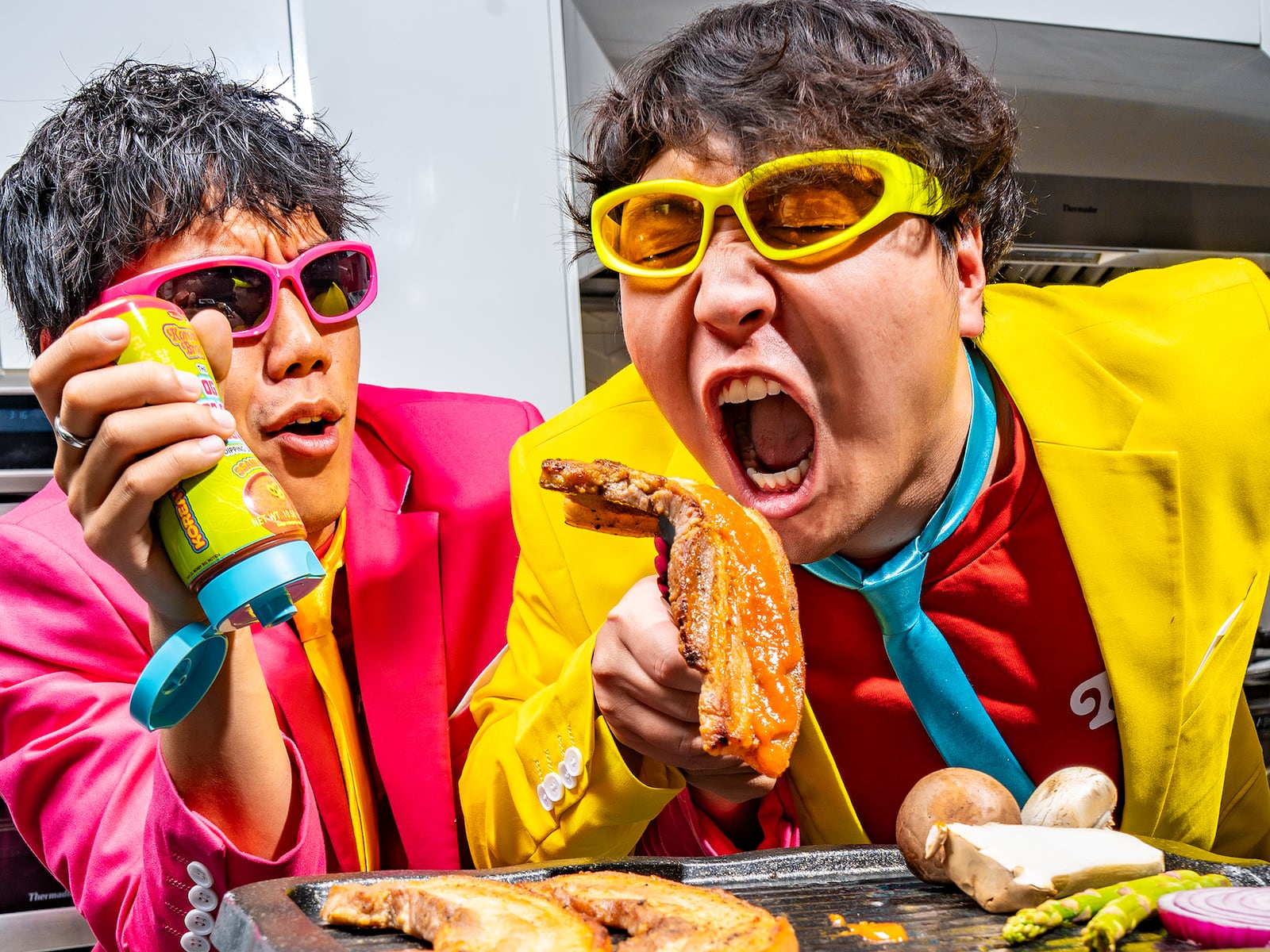
To his millions of followers across social media, James Seo is best known as the “$1 or mystery gift?” guy. He’s collaborated with MrBeast and racked up billions of views. But behind the viral stunts and mystery giveaways is an origin story that is unexpected and closer to home.
“I was born and raised in Sandy, Utah,” Seo says. “I was the only Asian, and I was embarrassed to have friends over to my house because I thought it was going to smell like my mom’s food. I was embarrassed to have my friends around my parents because they were speaking Korean.”
Today, Seo is using his platform to turn the food he once hid into a nationally distributed brand. Korean Bros, the Korean CPG company he co-founded alongside Cupbop co-founder Dok Kwon and two other partners, launched officially in January 2026.
Within months, the product became the bestselling item in its category on Amazon. By summer, the team had secured nationwide placement on Walmart and Target shelves, an achievement that typically takes established brands years to achieve.
The speed and the story behind Korean Bros is unusual: four Koreans in a state without a large Korean population, building a CPG brand making the Asian aisle more approachable through social media storytelling and an obsessive product focus.
Unlikely background to bestseller
Korean Bros looks like a brand that appeared out of nowhere, with loud packaging, millions of online views and an unprecedented retail trajectory. But under the success is years of behind-the-scenes dedication.
“I think people see the results and think that things just come easy,” Seo says. “I posted videos for 10 years with no views, and people always thought I was the weird kid with a camera — which I still am. People don’t understand how much work goes into it.”
Kwon’s path was equally unlikely. He spent several years on Wall Street managing portfolios worth nearly half a billion dollars before leaving finance to co-found Cupbop, a Korean barbecue quick-service restaurant chain with locations across multiple states. Through years of running Cupbop, Kwon and his partner learned how to make Korean food work for the typical American palate.
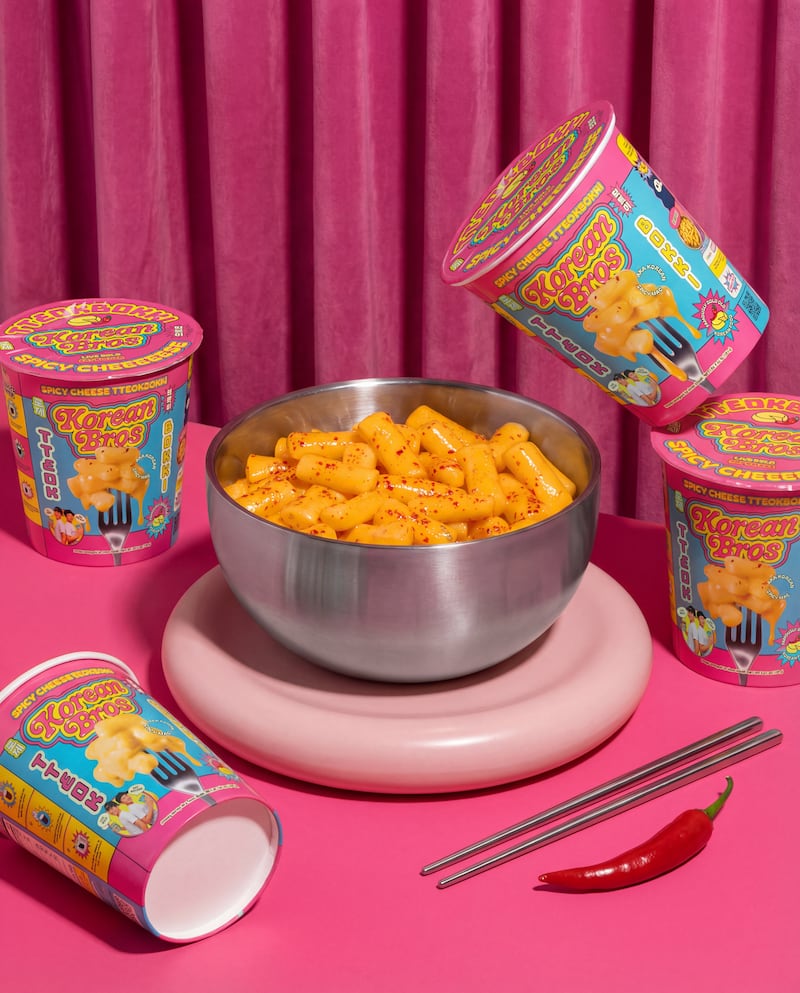
“We launched [Korean Bros] only six months ago, but this is a brand that has been in the background developing for years,” Kwon says.
The earliest version of Korean Bros started without the name. In mid-2024, Kwon and his partners put a prototype product on Amazon with no branding or marketing strategy. Within a few months, it became the bestseller in its category, beating out products from Korean conglomerates like Bibigo, Nongshim and Samyang Foods, competitors with billions of dollars in resources.
“It wasn’t marketing-driven back then,” Kwon says, “but we were still able to outsell all of the big boys on Amazon, which gave us the confidence to really take it to the next level.”
Product over everything
In a CPG landscape flooded with influencer-driven brands, Korean Bros demands product quality above everything else.
Many notable CPG brands that rely on social media star power, such as Unwell Beverages, Feastables and Prime, typically see declining product sales after riding an initial wave of hype.
“There are so many influencer brands that aren’t good and don’t have the best connotation, because most are influencer-driven, not product-driven,” Kwon says. “Walking into Target, [a competitor] made a collaboration ramen, and the branding sucked. … The product was not that good, and there was no authenticity.”
But for Korean Bros, authenticity means an obsessive focus on product. When developing their signature tteokbokki, or Korean rice cakes, the team traveled to South Korea and visited many factories. With every manufacturer, they found that heating rice cakes made them hard. That’s the nature of a rice cake.
“That didn’t sit right with me,” Kwon says, “so we kept going.”
Eventually, he found one manufacturer who understood the issue. The solution was in the beating process that softens the rice cake dough. While most factories completed the process once, this manufacturer completed the process three times.
“We tried it, and it was a night and day difference,” Kwon says. “They’re more expensive and premium, but no doubt the best rice cake manufacturer out there.”
In a category where many social-driven brands rarely see longevity, the Korean Bros team believes a focus on product quality will help them outlast the typical hype cycle.
“We are a product-first company with amazing marketing,” Kwon says. “Not a marketing company with a product.”
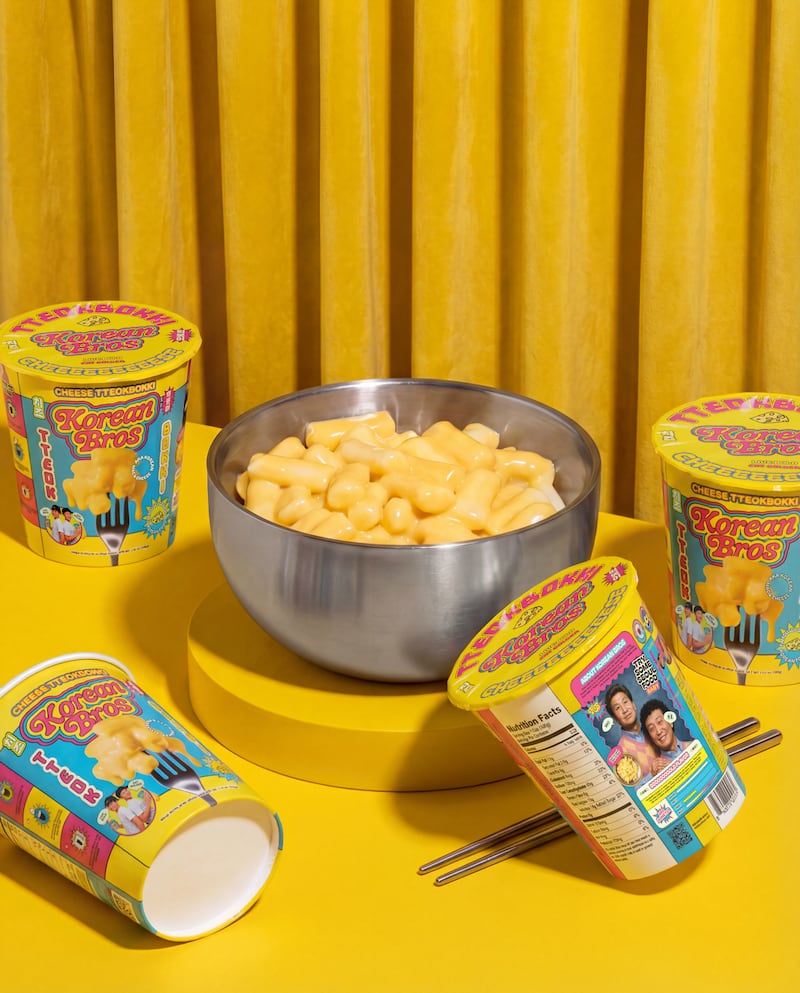
Walmart pls collab
Established with a high-quality product and branding, Korean Bros needed a way to tell its story. That’s where Seo came in.
Seo’s storytelling approach is built around what he calls “quests” — public, high-stakes campaigns where he sets an off-the-wall goal and documents the chase. The format first gained traction when he was a college student at Utah Valley University, trying to land a collaboration with MrBeast, the biggest creator on YouTube. He called him out publicly, built momentum through his content and eventually got the collaboration.
When Korean Bros launched, the quest evolved to retail. “Instead of trying to collab with a celebrity or a high-profile person, what about the king of retail: Walmart?” Seo says.
The “Walmart pls collab” series took off, generating roughly half a billion views across Instagram and TikTok. The content followed the familiar underdog arc reflected in Seo’s own videos. Behind the scenes, the Korean Bros team was cold-DMing Walmart buyers on LinkedIn.
Through the entire effort, the Korean Bros team discovered that everything needed to work together to take the brand national.
When the team flew to Walmart’s headquarters in Bentonville, Arkansas, the momentum from their social platform followed. Corporate employees frequently stopped by the demo kitchen, recognizing the Korean Bros from social media.
But the attention was only part of the success. “We can get our foot in the door, but if the product’s not good, if it’s not a strong brand, and if the operations aren’t good, it can’t last,” Seo says. “They all work together, versus one thing carrying everything.”
With all of these factors aligning, Korean Bros secured commitments from both Walmart and Target to have their products on shelves nationwide in September.
Turning fear into interest
Behind the playful branding and social media buzz, Korean Bros demystifies a cuisine and culture that is still relatively foreign to the average American.
“There’s a decently high barrier for foreign foods,” Kwon says. “If someone who’s born and raised in Utah is walking down to H-Mart, they won’t understand [the culture]. It’s scary. The whole mantra of the brand has been: How do we turn that fear into interest?”
While most products on the Asian aisle feature muted tones and text that feels foreign to the average American consumer, Korean Bros’ packaging is intentionally colorful and playful. The product names make the food inviting and familiar, like cheese tteokbokki marketed as “Korean mac and cheese.”
“You can’t beat MrBeast by being MrBeast,” Seo says. “Similarly, you can’t beat Nongshim by being Nongshim. … We can only beat them by being us.”
Building a Korean food brand in a state with a relatively small Asian population might seem like an odd choice, but Kwon sees building in Utah as an advantage.
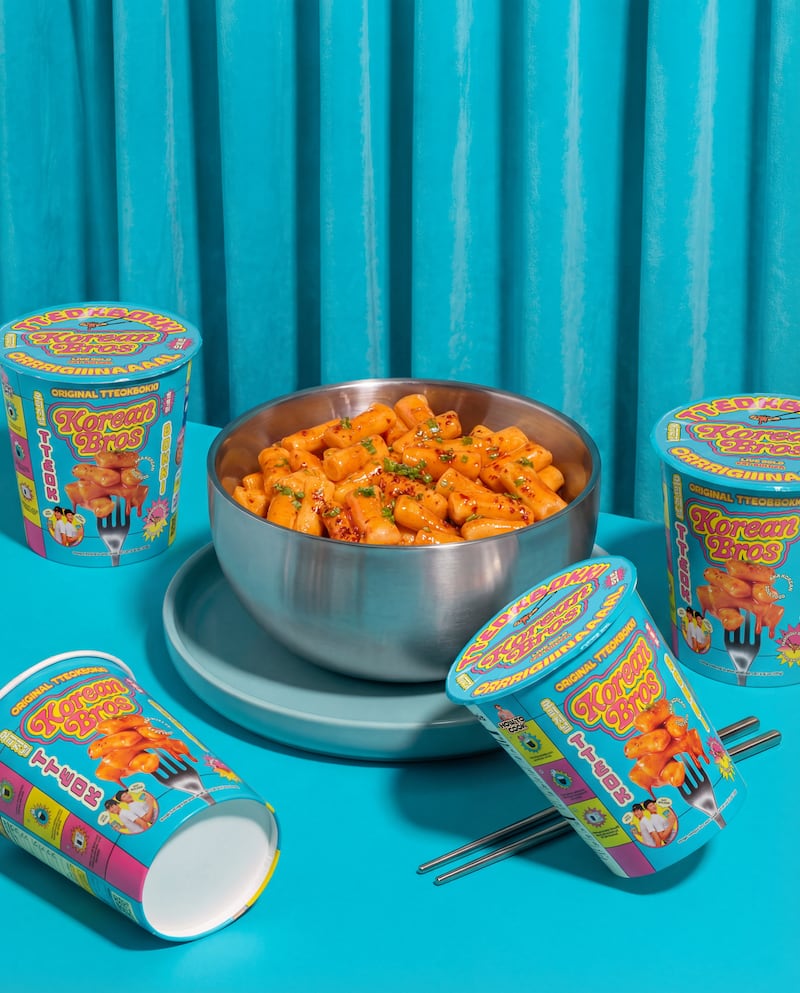
“Utah is very representative of what mainstream America looks like,” Kwon says. “A lot of people tackle New York and Los Angeles first and later realize that those places are their own islands and not the typical consumer.”
Their theory is that if Korean food can win in a state without a large Korean population, it can win anywhere.
“If you can really crush it in a state like Utah, you have opportunities to be successful in all 50 states,” Kwon says. “You can be successful in New York, but it doesn’t mean it’s going to work in North Dakota. In that regard, Utah is a really solid testing ground.”
Kwon, who immigrated to the United States 27 years ago, remembers a time when Korean culture was unknown in American households.
“Ten years ago, when people would ask me where I was from, and I would tell them from Korea, people would ask, ‘North or South?’” Kwon says. “And it wasn’t a joke; they really just didn’t know.”
The shift since then has been stark. Now, Korean dramas and K-pop dominate streaming platforms, while Korean skincare sits on the shelves of Sephora and Target. “To see the change and the influence of our culture in the States now, it’s so cool,” Kwon says. “Spreading our culture is a really big part of our mission. We’re so privileged to be a part of that.”
For co-founder Seo, the kid who was once embarrassed by his mother’s cooking is now working to share his culture nationwide.
“It’s a weird full-circle moment that is much more than food,” Seo says. “It’s also a story and symbol of accepting your identity. It doesn’t matter who you are or how you feel. You should always be proud of your identity.”
