
This story appears in the August 2026 issue of Utah Business. Subscribe.
Long before bottled water became a multibillion-dollar industry, a small mountain spring in Utah’s Bear Lake Valley quietly sustained generations of one family.
The spring provided drinking water, supported a dairy farm and irrigated crops. Today, that same resource is at the center of a growing regional business finding success in the highly competitive bottled water industry dominated by national brands.
Founded in 2021, Little Spring Water has transformed a family-owned natural spring into a wholesale bottling operation serving customers across Utah, Idaho and Wyoming, with expansion underway into Colorado, Nebraska and neighboring markets.
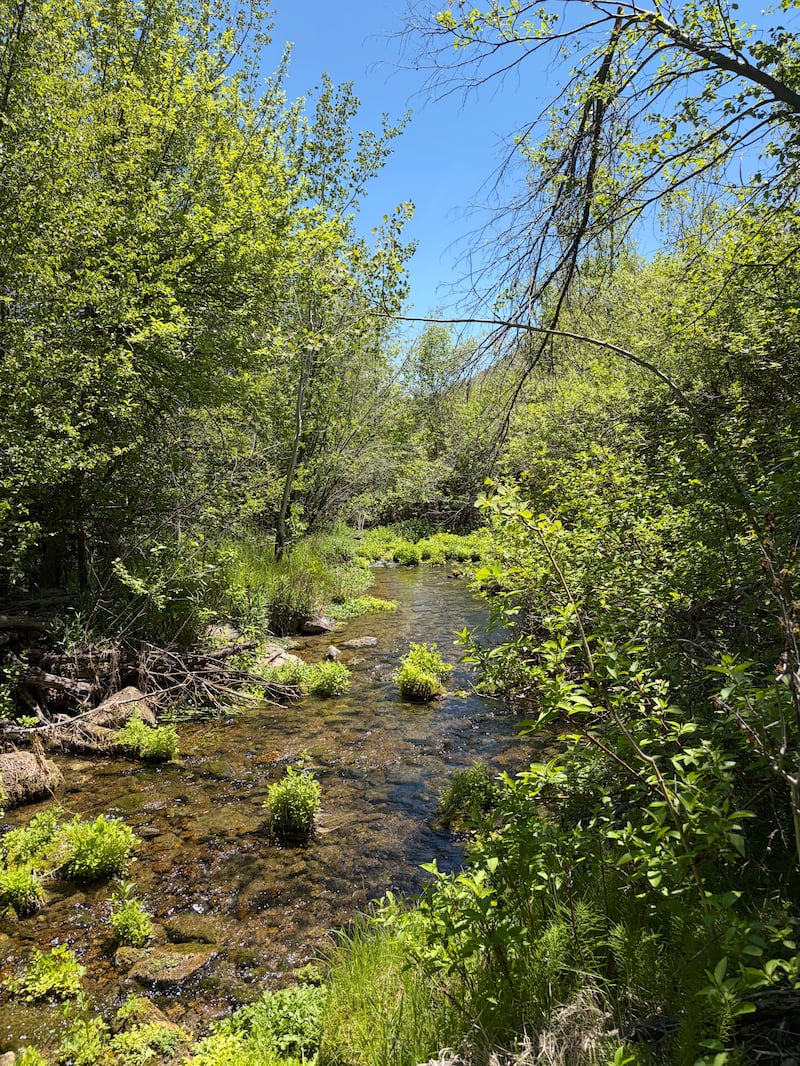
Emerging from Little Spring, pure water flows through vibrant greenery. It’s so clear that you can see every stone beneath the surface. From this unassuming source, a family business set out to answer a far more complicated question: how to transform a local spring into a product that could reach customers far beyond rural Utah.
For the Petersen family, the answer has been a combination of infrastructure investment, wholesale partnerships and a commitment to preserving the spring that makes the business possible.
“We wanted to make sure other families have the same opportunities we do to have clean, good-tasting water,” says Tonya Petersen, co-founder of Little Spring Water.
Building for quality at scale
Turning the spring into a commercial operation required more than 15 years of planning and investment.
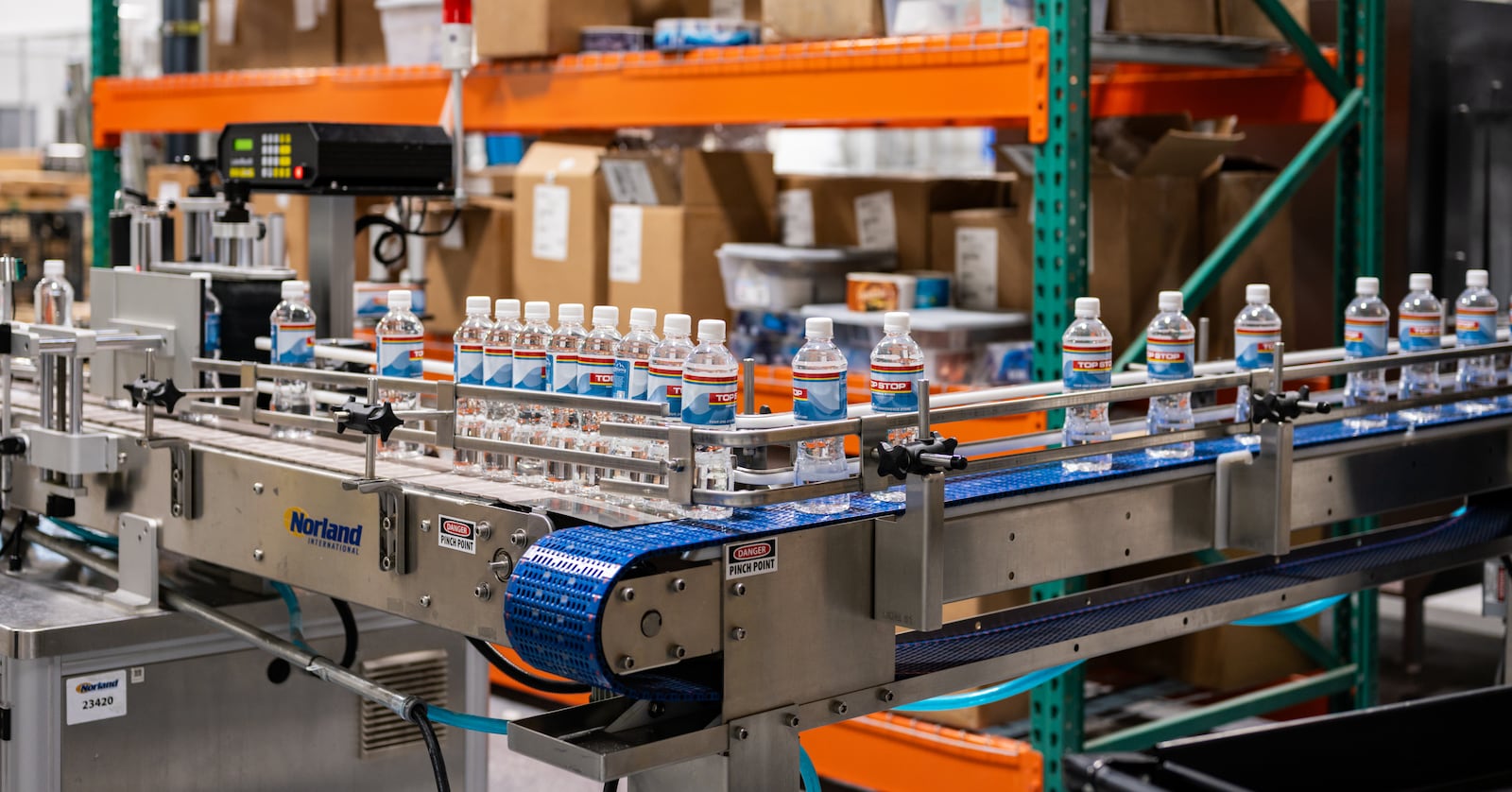
A key advantage came from co-founder Troy Petersen’s background in construction management. Rather than outsourcing the facility design, Petersen developed and built a bottling system engineered to maintain the spring’s natural characteristics throughout production.
In a county better known for ranches and open valleys than manufacturing, the facility demonstrates that innovation and infrastructure can flourish beyond Utah’s urban industrial centers.
Lab testing showed water quality so exceptional that some equipment manufacturers initially assumed the water had already been treated before samples were submitted.
Maintaining that quality remains central to the company’s value proposition. Water passes through a multimedia filtration system, followed by ultraviolet light treatment and an ozone process, before being bottled.
“It goes right into the bottle, so there’s no human contact whatsoever with the water,” Tonya says.
That focus on quality has helped the company achieve a Safe Quality Food score of 97%, an “excellent” rating within the industry.
Banking on wholesale
Like many emerging consumer brands, Little Spring Water faced a significant hurdle after launch: gaining market visibility in a crowded category.
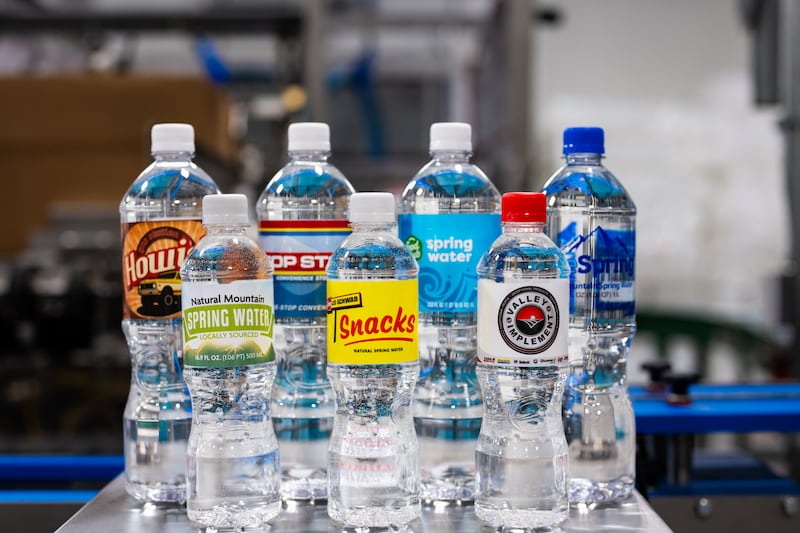
Rather than relying solely on direct-to-consumer sales, the company pursued wholesale and private-label partnerships that allowed production volumes to scale more quickly.
Its first major customer was Kroger, which purchases water under a private label agreement. The company has since expanded its private-label business and now produces spring and distilled water products for the Food Club brand while preparing to launch a purified water offering online.
The strategy has helped Little Spring Water increase production volume while raising awareness of its own brand.
“Now that people recognize brands have been bottled by Little Spring Water, Little Spring Water is becoming recognized as well,” Tonya says.
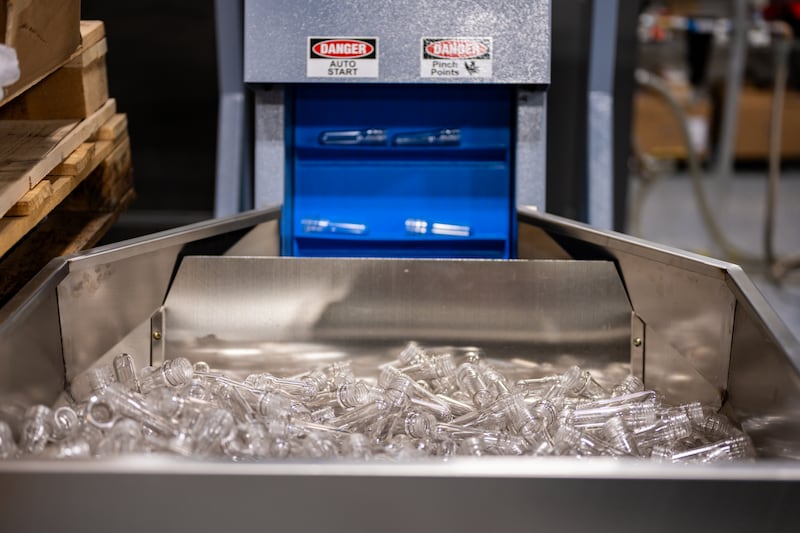
The company also differentiates itself through its heavier-duty bottle, which has become a selling point with customers.
“People like the bottle first, then they comment on the label, and then, of course, they fall in love with the water,” she says.
Leveraging Utah’s Own and rural economic impact
As Little Spring Water expands, Utah’s Own has supported its growth through marketing, networking and promotional opportunities. The state program connects consumers with Utah’s agricultural and food businesses.
“Businesses like Little Spring Water help create local jobs, keep dollars within the rural community, put Bear Lake Valley and Rich County on the map for sustainable, high-quality products, and diversify the local economy beyond just seasonal tourism,” says Emily Ashby, Utah’s Own program manager.
Today, the company employs nine machine technicians, three office staff members and several members of the Petersen family.
“Bear Lake is known for seasonal jobs, but we actually offer full-time work year-round,” Tonya says.
Like many manufacturers, the company faces challenges ranging from winter weather delays to rising transportation and fuel costs, though Petersen says those obstacles have remained manageable.
Protecting the source
While production capacity has increased, the family has designed infrastructure to minimize disruption to the spring itself. Petersen’s grandfather, Bryan L. Booth, developed the original spring system in the 1940s. In 2006, Troy Petersen replaced aging infrastructure with a new PVC pipeline that feeds water directly into the production system while protecting the surrounding environment.
The spring is enclosed within a masonry structure and secured by fencing. The pipeline and facility were designed with future growth in mind, reducing the need for additional excavation as demand increases.
“We don’t want to keep disturbing things,” Troy says.
That long-term approach extends to the business itself. Petersen family members handle client onboarding, customer service, accounting and marketing, creating continuity as the company grows.
“As employees come and go, we’re solid,” Tonya says. “We’re covered. We have capabilities to train quickly and get right back on track.”
For Little Spring Water, growth isn’t about becoming the biggest player in the category. It’s about building a sustainable regional business rooted in a resource that’s served the family for generations.
“Our goal has been to provide premium water at an affordable price that families can use,” Troy Petersen says. “That’s what we prefer, and that’s what we give our own family.”