
This story appears in the May 2026 issue of Utah Business. Subscribe.
Starting a small business is an act of conviction. It means signing a lease before the revenue is certain, hiring someone and feeling responsibility for their livelihood and betting that a community will show up for what’s being offered. More than 71,000 Utahns filed new business applications in 2023 alone. That’s 71,000 bets placed on an idea, a skill, a market and on Utah itself. As National Small Business Month is in May, it is worth understanding what makes those bets pay off here and what it will take to keep it that way.
Those bets take every shape.
Barney Boynton graduated from high school in 1996 and started cleaning houses and patching potholes. Nearly 30 years later, his company, Go Pave Utah, is a trusted name in infrastructure repair across the Wasatch Front and has supported the Festival of Trees through the Children’s Justice Center for 15 years running.
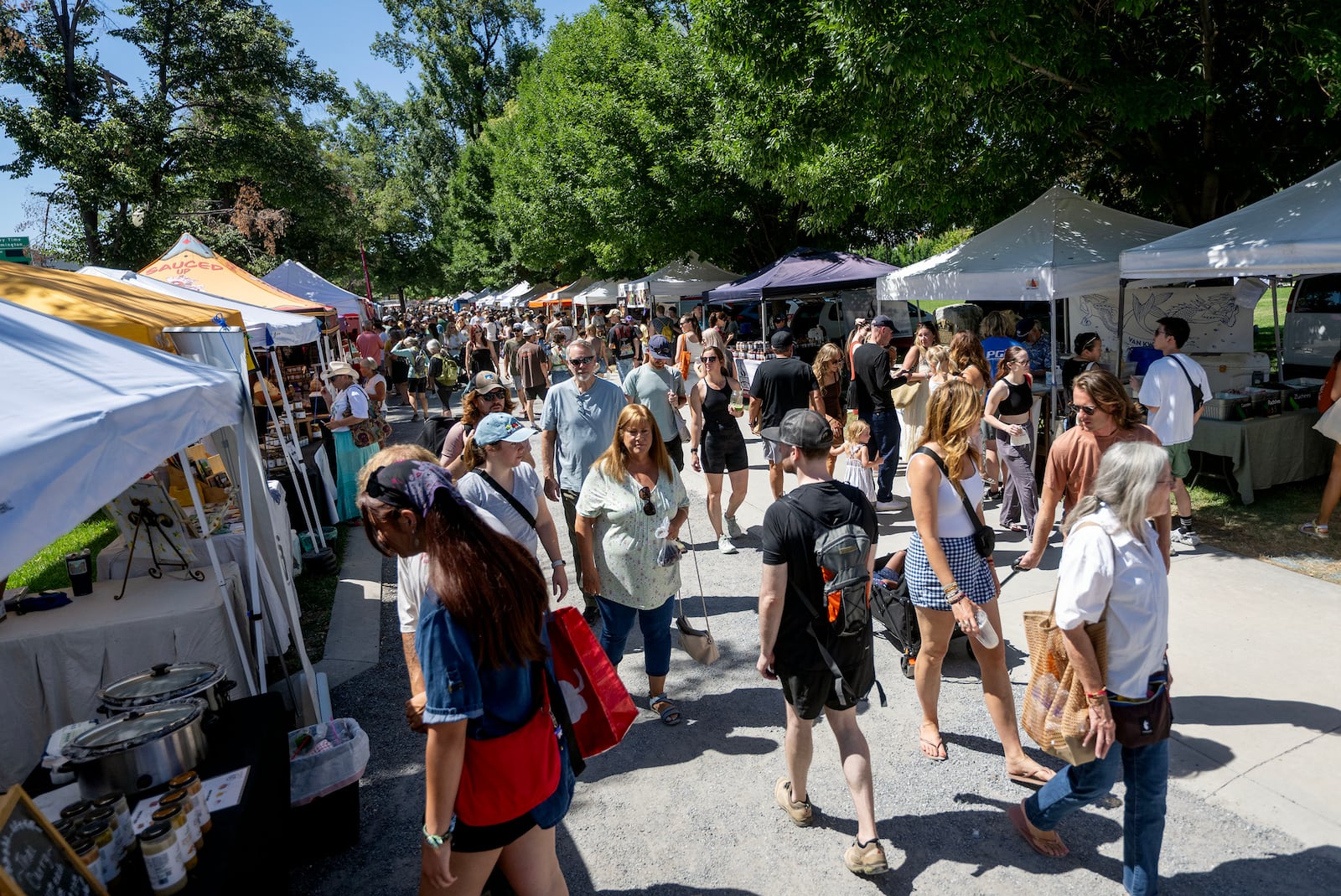
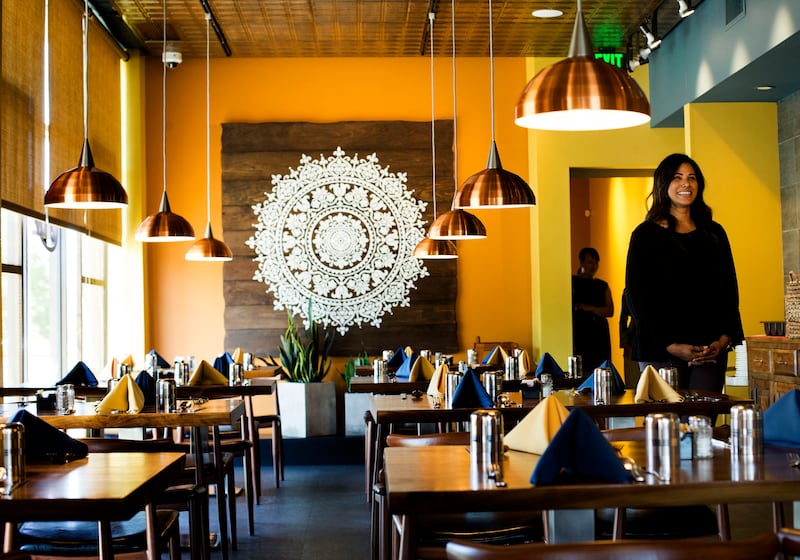
Lavanya Mahate, a first-generation Indian American immigrant and the first female entrepreneur in her family, tested a spice blend at the Salt Lake Farmers Market. That experiment became Saffron Valley, now several locations strong. When she saw Utah’s restaurant industry was short on workers while refugees were eager for opportunities, she founded RISE Culinary Institute to provide free culinary training and job placement.
Western Nut Company has been crafting small-batch nuts in Salt Lake City since 1966, now run by brothers Loren, Darin and Lee Mercer. These are not outliers. They are what Utah’s small business economy looks like, in every industry and every corner of the state.
The numbers confirm it. According to the U.S. Small Business Administration’s (SBA) 2025 Utah profile, 371,569 small businesses operate in our state, representing 99.4% of all Utah businesses. They employ nearly half of the private-sector workforce and accounted for 88% of net new job growth between March 2023 and March 2024. Utah’s rate of small business employment growth from 1998 to 2022 was the highest in the nation — nearly 64%. WalletHub this year ranked Utah the second-best state to start a business, and the Kem C. Gardner Policy Institute found that Utah leads all states in innovation capacity.
That strength shows up in unexpected places. Blake Wigdahl founded Process Curiosity in Salt Lake City and now designs immersive museum exhibits for institutions from the Butterfly Biosphere at Thanksgiving Point to children’s museums worldwide. SymbolArts in Ogden started as a custom ring shop in 1986 and now employs 60 people crafting recognition products for public safety agencies, the military and corporations nationwide.
According to the SBA, 85% of Utah’s exporting firms are small businesses, generating more than 60% of the state’s $16.4 billion in export revenue. When a small business in Utah ships product overseas, that is conviction paying off on a global stage.
But placing a bet is one thing. The conditions that determine whether it pays off are shaped largely by policy. At the Utah Chamber, our 2026 legislative priorities are designed to improve those conditions: simplified regulatory processes so owners can focus on growth, a competitive and stable tax climate so entrepreneurs can plan with confidence, expanded access to affordable child care and stronger workforce development and infrastructure investment. These priorities run through Utah Rising, our private-sector-led economic vision built around workforce, transportation, business environment, housing, livability and natural resources. That plan depends in large part on the energy of our small businesses. They are not a footnote in Utah’s economic strategy. They are at the core of the strategy.
Utah’s economic story is often told through rankings and growth rates, and those numbers are strong. But behind every data point is someone who made a bet on an idea, on a community, on this state. For the small business owners who took the risk and keep showing up every day, thank you; stay engaged with your local chamber, make your voices heard and help us keep building a better tomorrow.
