
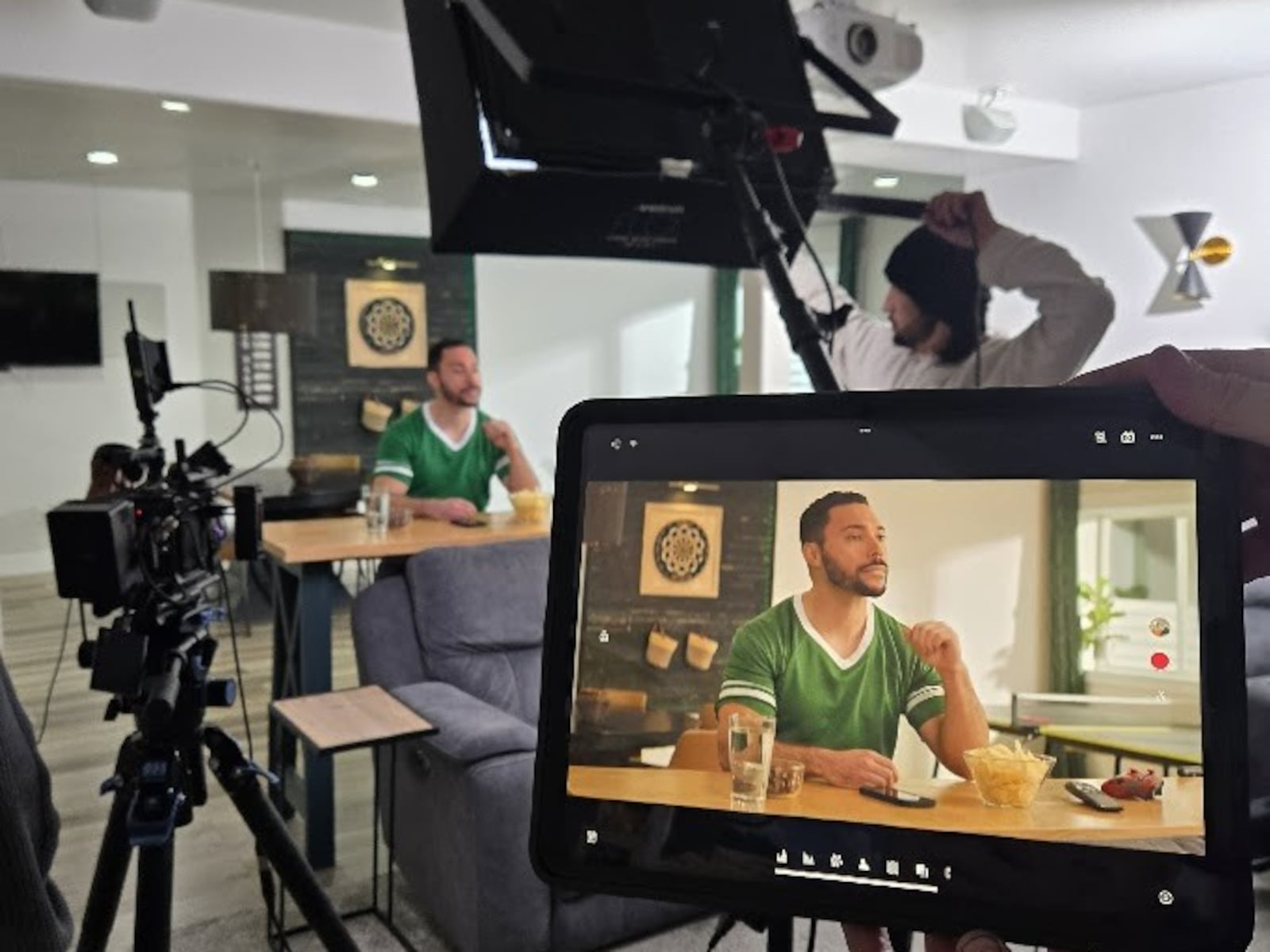
Everyone has their perspective on what a “Big Game” ad entails. Most people assume it’s crazy expensive and only reserved for the largest brands in the nation.
That’s what we thought, too, until we decided to run one ourselves.
Last year, TAB Bank ran its first-ever regional Big Game spot. This year, we went back and did it again. After going through the process twice, I can tell you what people think a Big Game ad is and what it actually is are two very different things.
The biggest myth: Cost
When people hear “Big Game commercial,” they immediately think of the national broadcast and its $8-9 million headline numbers. What most don’t realize is that regional Big Game advertising is a completely different animal.
While production costs vary from brand to brand, the cost to run an ad in the game in Utah is $30-40k. This changes from year to year and from station to station, but it’s roughly in this ballpark. To put it in perspective, a national spot reaches roughly 127 million viewers for $8 million, while a regional Utah placement reaches closer to 1.2 to 1.5 million viewers.
From a cost perspective, you are getting a bigger bang for your buck with your CPMs (cost per mille, i.e., thousand) being roughly half of what they would be for a national spot for the same audience.
From the outside, a Big Game ad looks like a single 30-second moment during the biggest game of the year. But behind the scenes, that moment is the final output of months of planning, coordination, creative decision-making and operational execution. It’s less “Making a commercial” and more launching a major product with a deadline that absolutely does not move.
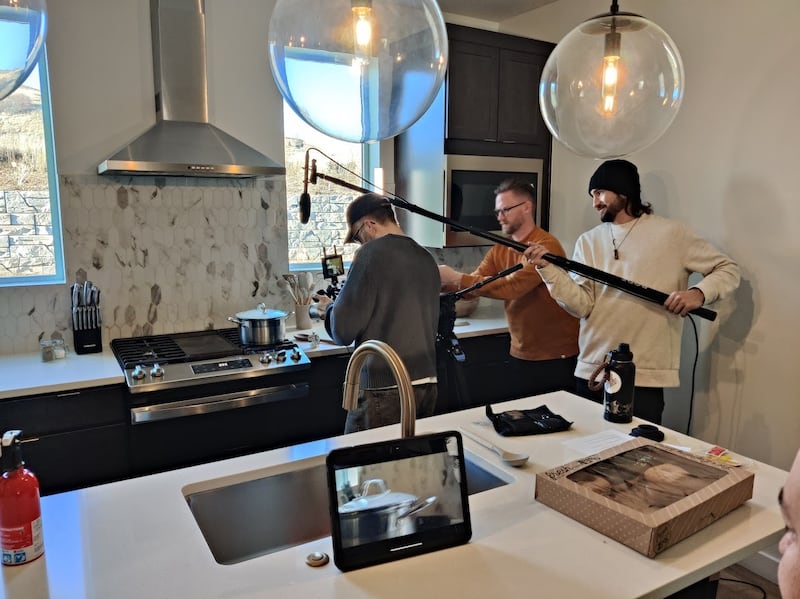
The lessons that surprised us most
Start earlier than you think. You need to reach out to the station’s sales team well before most people expect. Inventory is limited, and the best placements go quickly once spots become available. Because broadcast rights rotate each year, it’s smart to start those conversations as early as February or March the year prior.
Don’t cram everything into 30 seconds. Everyone freaks out thinking this is their one shot, but the best Big Game ads deliver one clear message. This is a mistake we made last year. Resist the urge to tell your entire company or product story. Consider a Big Game ad as the beginning of a narrative you can build on all year.
Don’t be creative for creativity’s sake. Big Game ads should be memorable, but not at the cost of clarity. If people remember the humor but can’t remember the brand, the ad isn’t doing its job. With creative projects like this, we can get lost in the creativity. Marketing’s job is to grow the brand. Full stop.
Have your infrastructure ready. Once you commit, you quickly realize you’re not just buying airtime. You need landing pages ready, social media cutdowns prepared, digital follow-up campaigns built, internal teams aligned and customer support prepared for the spike in attention.
Measure success differently than a normal campaign. People don’t act on every ad the minute they see it. Big Game ads are built for awareness, recall and long-term brand lift, so the right metrics to look at are branded search, direct traffic and social mentions versus only focusing on conversions. In fact, during our first year running the ad, branded search volume spiked to match our largest competitor, signaling a real-time shift in brand awareness.
QR codes don’t work the way you think. To be more direct, they just don’t work. Viewers need time to notice, pull out a phone and scan, which means the code must stay on screen for most, if not all, of the spot. Including a QR code often distracts from the message itself. Looking at our own data and that of others, just trust me on this.
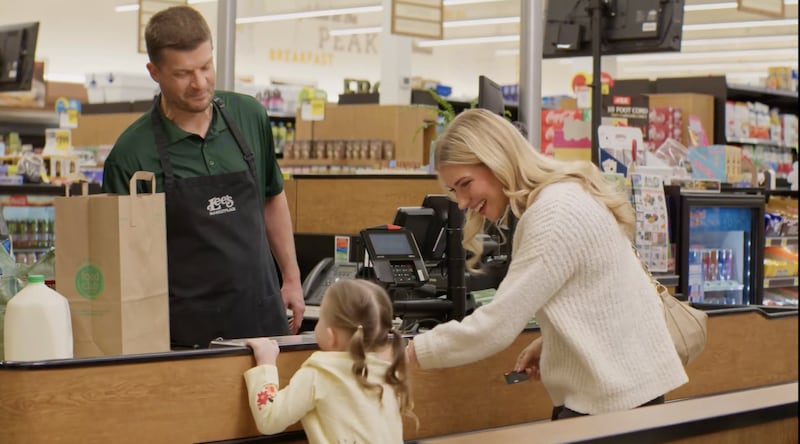
Audio mixing matters more than people expect. Big Game parties are loud. Ads with quiet dialogue or subtle audio get lost. Stations broadcast your mix exactly as delivered, so you need to create for real-world viewing environments.
Lean into your constraints. Banking comes with regulatory guardrails, and plenty of ideas simply won’t clear compliance or legal. Instead of fighting every limitation, we found that those constraints often led to a sharper, more focused ad. Use the constraints to be the solution to your story. As they say, “What stands in the way becomes the way.”
Be vigilant about intellectual property. Logos and branded elements are everywhere, from clothing to signage to background screens. Catching these details early can save you from costly reshoots and last-minute edits.
The placement lottery. Ad placement is its own game. Stations often hold a placement “lottery,” where advertisers draft their time slots in real time. You only have seconds to choose, so you need a strategy walking in and a little luck in the draw.
Everyone has an opinion on marketing. Not every suggestion improves the final product, and too many cooks can dilute the message. As marketing leaders, we often remind executives to trust their marketing teams, but we also have to practice the same discipline and trust our production and agency partners to execute.What makes the Big Game different isn’t just the audience size; it’s the attention. In the fragmented media landscape we live in, it’s one of the few remaining monocultural moments in which an entire market watches at the same time. When you consider the branded search lift, the social amplification and the long-term brand credibility it builds, the math starts to make sense. It’s not the right move for every brand, but for companies serious about building presence, it can be the single loudest moment you get all year — if you’re ready for it.