
This story appears in the December 2025 issue of Utah Business. Subscribe.
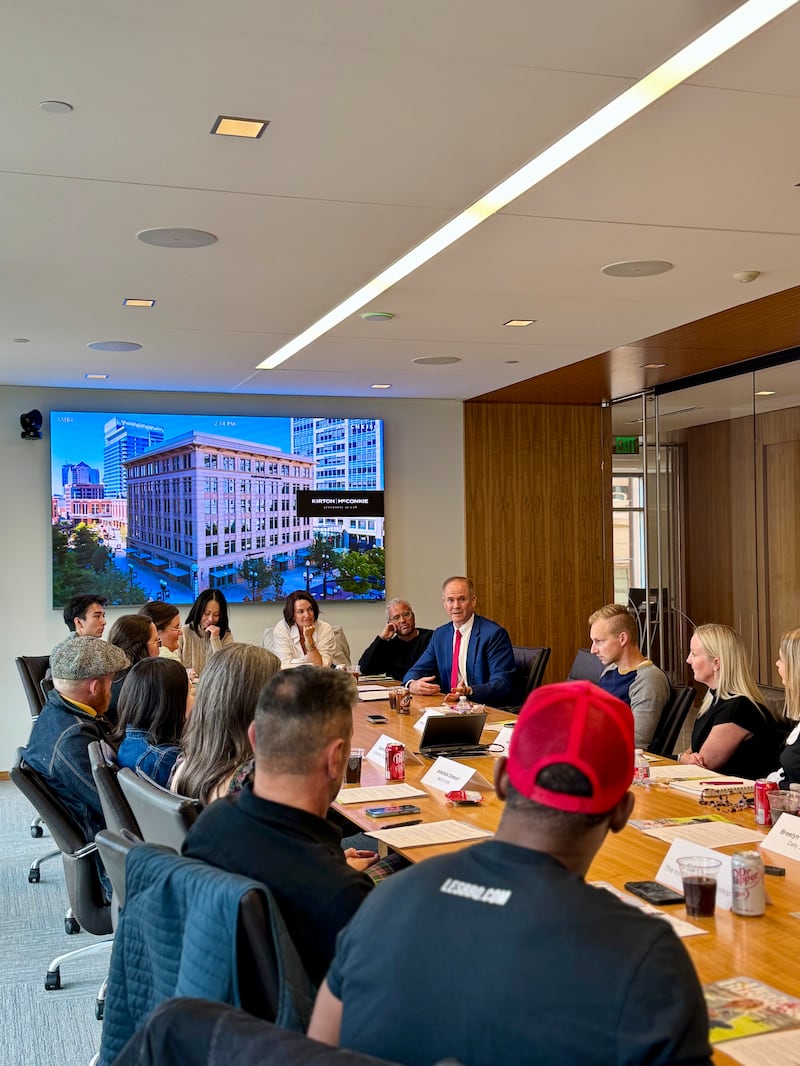
This roundtable discussion was sponsored by Kirton McConkie and moderated by Ashley Collett, co-owner and creative director of Salt & Honey Market.
How have tariffs impacted your business, and how have you handled them?
McKenzie Bauer | Co-Founder | Thread Wallets
It’s been hard as a small business because we haven’t raised any outside capital. … As a small business, your average order value goes down, which means you’re not bringing in as much money, which means that you can’t pay your employees. We’re looking at this beautiful building that we invested in and want to continue to invest in our community, and we see this trajectory of growth — is that vision even feasible anymore? That’s a really scary place to be in because of this one factor: because of tariffs.
Jared Smith | Co-Founder | Uncle Bob’s Butter Country
One of the hard parts about being a wholesaler is that your big retailer customers don’t want to have a price difference between one day and the next. They require 90 days if you’re going to increase the price, so you’re stuck in the middle where you really feel the pinch on the profit margin.
Breelyn Vanleeuwen | Founder | Daily Shade
I have been through the same thing trying to move my packaging domestically. One of the biggest challenges I’ve had is that America doesn’t make everything that we need. … [For example,] I want an airless pump. The only place I can get one is overseas to China. … I have to choose a different kind of container and pay twice what I would’ve paid. That was a harsh reality as an American, to be apparently very dependent on other countries.
Amanda Stewart | Founder & Designer | Mochi Kids
I’ve produced my clothing line in the U.S. since I started 10 years ago because I like to support other small businesses. We just did a big reorder for the holidays and our fabric is going up a dollar a yard. It’s all knitted in Los Angeles, but the raw materials come from China. … This has pushed me to seriously think about manufacturing my clothing line in China because it’s way cheaper. It was always cheaper before, but even with these price increases, it’s still cheaper to manufacture in China.
Tessa Arneson | Founder | Maven District
I want to add one positive thing; it’s easy to get stuck in the negative. There is a lot of innovation going on right now. We don’t have any empty storefronts and have been able to rent things pretty fast. Despite it being sort of a terrible time to open a restaurant or a shop, there is also this [sentiment of], “I’m sick of how we’ve been operating as a society, so I’m going to go build my own dream.” … Yes, there are a lot of hard, sad things. But on the flip side, what are we doing to be creative, to work with what we can’t control?
Cal Crosby | Co-Owner | King’s English Bookshop
[Utilizing creative solutions] has been the journey for independent bookshops. We’re a fixed margin industry and there’s always someone who wants to take 10, 20 or 50 percent. So, you’ve seen the stores that have survived the market as a business. That said, we’re showing really good sales this year, record sales, because of loyalty and because you walk into our bookshop and it’s like going into Narnia and it’s all that magic.
Quinn Peterson | Executive Director | Downtown Provo, Inc.
In the boundaries that I cover in our downtown area, we have 79 different restaurants and all of them, every single one is locally owned. … We have a lot of creative ideas that are experimented on, but it does mean there is a high percentage of casualties. We do have many that close every year. The difference that’s worth understanding: If we have a 15 percent closure rate, I have a humongous waitlist of people who are ready to fill that vacancy the second it opens.
We’ve seen that spending has shifted to big box malls and e-commerce, creating a new market — which is the only reason that our downtown and I have any value. It is this experience design. … In our downtown, we create a place where you can park your car, get food, go axe throwing, build a candle, go to a comedy club and then go to dessert.
In what ways are you collaborating with other businesses, and how has that helped build a community?
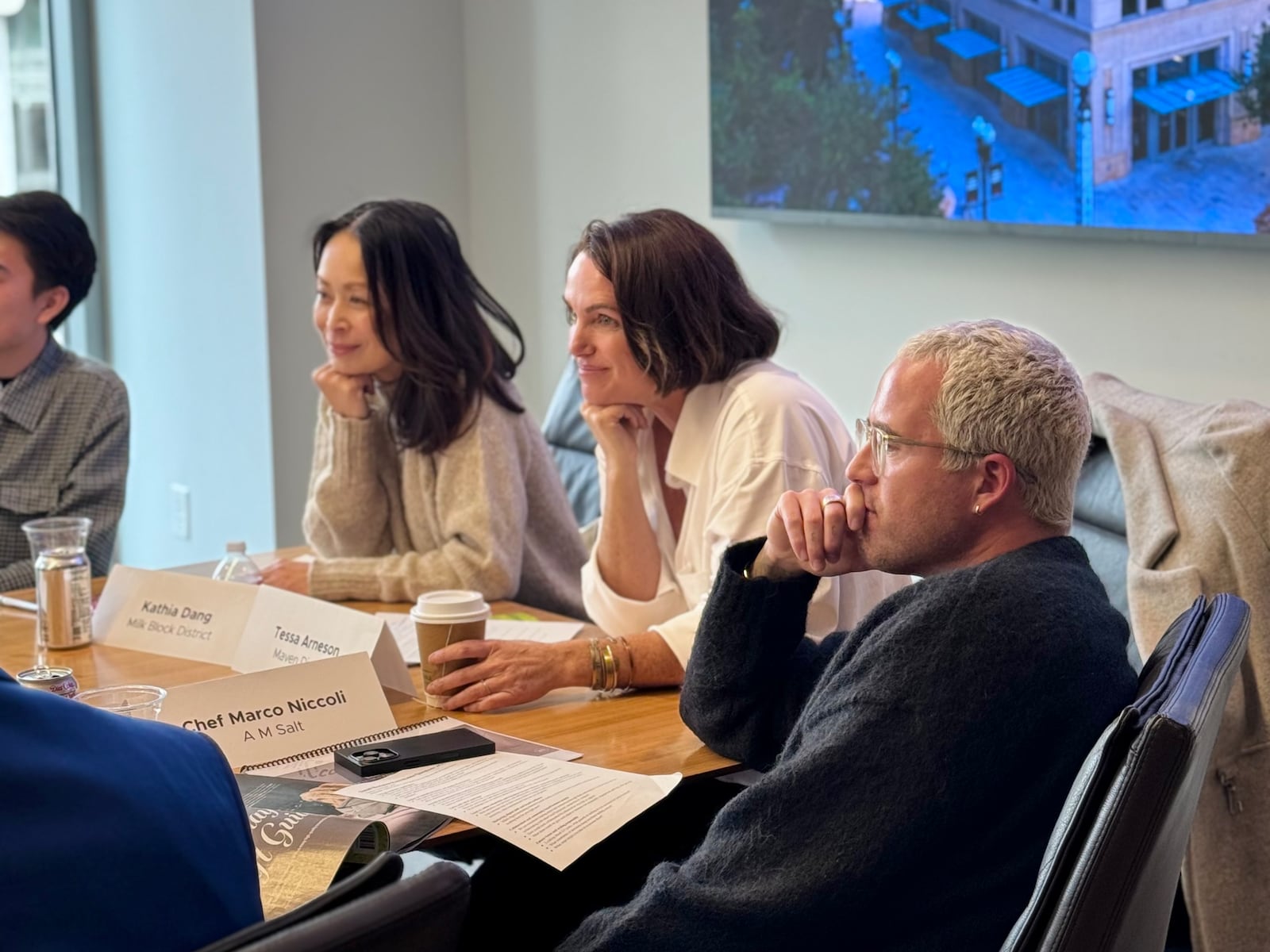
Kathia Dang | Developer | Milk Block District
I have never believed in trends. I’ve always worked toward what’s tried and true. … Your core values are not only to work for yourself, but work as for the community as a whole, because man is not an island unto itself. We thrive when others thrive along with us. … We should go out, we should talk to each other. We should have these roundtable discussions. We should know why we’re failing, and more importantly, we should celebrate why we’re succeeding. … We know that we can count on each other. That is a formula for success and it’s the type of communities that I believe in building.
Ali Spittler | Co-Founder | Pencil Box Art Studio
When we started four years ago, we reached out to Amanda from Mochi. We didn’t know her, and we just said, “Can we pop up at your store?” And Amanda was like, “I’m just barely new too! Sure!” … It has been a really cool thing to not know somebody and take a chance and cheer each other on. We’re trying some classes out in Alpine in the winter, and we don’t know the people there either, so we’ve reached out to a few small businesses there. … I think that is just the coolest thing about being in Utah is seeing people cheer each other on. It’s really inspiring, and it gives you a boost of energy.
Tessa Arneson | Founder | Maven District
I could pick up the phone and call any woman-owned business in Utah and they would help me. That’s so huge and such the way we operate, and I think that that is something built into us — it’s the Utah way. … How do we foster [community and connection] in a really intentional way? … People are dying to get off their screens to be present, to see people’s souls so they can feel a little more grounded and seen.
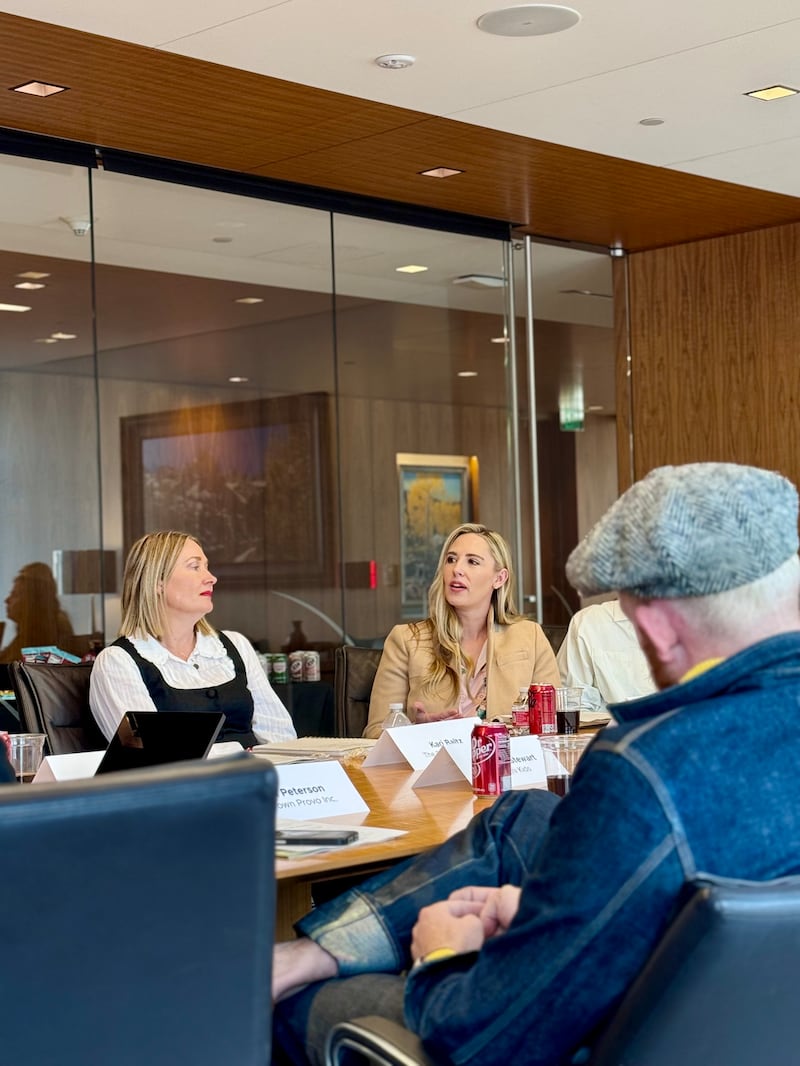
Kari Baltz | COO | The Dainty Pear Co.
We’re in a small town [Midway] so, we’ve created a business alliance within our little community. We just did a scarecrow walk with all of our businesses, and it has been great to collaborate and talk about challenges. And then with our cafe, we’re doing catered Thanksgivings. We’re reaching out to the community, giving away three Thanksgiving dinners.
Quinn Peterson | Executive Director | Downtown Provo, Inc.
It’s critical that we embrace this idea of collaboration because so many communities deteriorate into a cutthroat competition where we feel like helping each other is going to be a disadvantage. San Marcos, Texas, just outside of Austin, came and toured Provo a while back, and then they hired me to come out and train their business alliance. It’s this competition that they feel that they suffer from in the Austin environment. It was one of the things that they were trying to embrace, and I think it was eye-opening for me to realize that was such an advantage here in the community — I hope we can embrace and not lose that.
Beccy Bingham | Co-Founder | Beehive Bazaar
Ashley, you taught me such a big lesson when you guys first opened. We’re down in Provo, but we had a very similar business when you guys were brand new, and I caught myself feeling really threatened by that. But opening up to you guys and working with you guys, you’ve helped us immensely. … Even though we literally have the same vendors, we just help each other thrive.
How have you created connection and authenticity to draw people in?
Cal Crosby | Co-Owner | King’s English Bookshop
If we do a book recommendation post, it’s off the charts. If it looks like we’re selling something, not so much. We also try to partner with other independent bookstores. … So, it really is a sense that for local businesses, we are stronger together.
Jared Smith | Co-Founder | Uncle Bob’s Butter Country
We all reach out to other companies and those who’ve gone before us, but one of the most fulfilling parts that I’ve recognized is [giving back to the community and] helping people in return, and putting my name on some list of where people could call me and ask for advice.
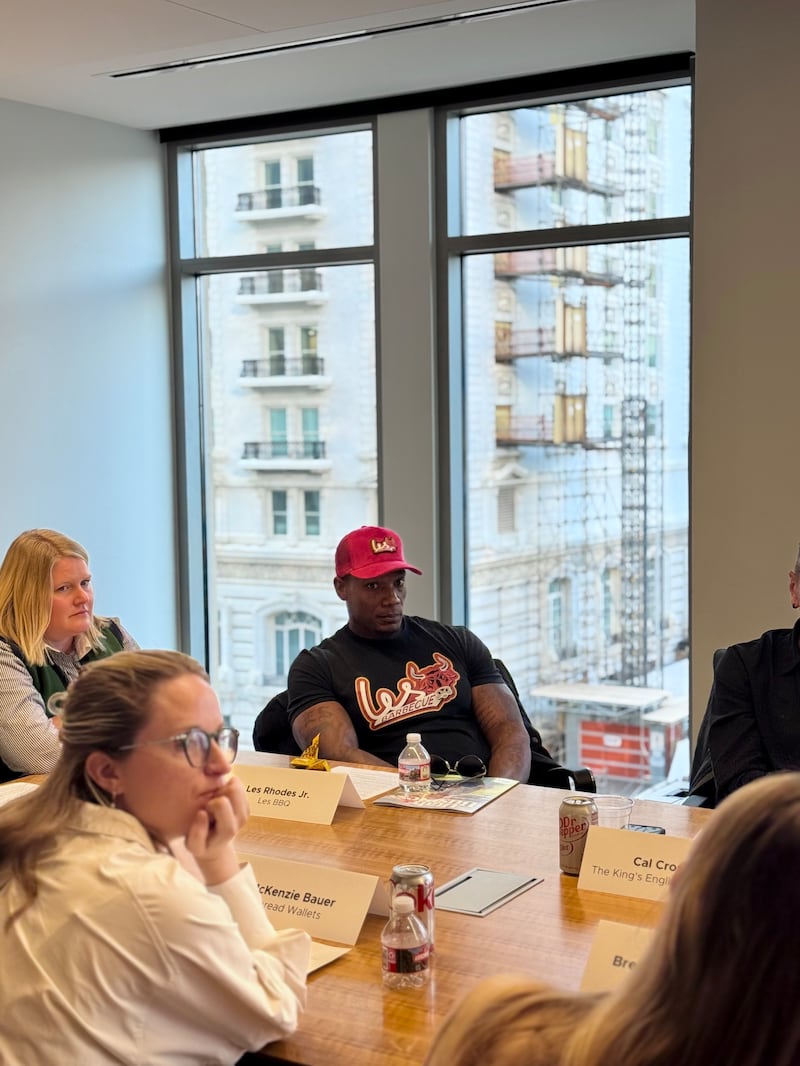
Les Rhodes Jr. | Founder | Les BBQ
I heard this preacher say, “If you inspire people, they will follow.” Starting from nothing, and for [followers] to watch the process, a lot of them will come to the restaurant or when they see me out in public and say, “I’ve been following you since you’ve been in the driveway.” It’s that commitment of being along with that journey and watching where we’re at now, to see achievements and failures along the way. It hasn’t been perfect, but we learned to build off stuff that’s not perfect.
What’s working with your marketing?
Trisha Zemp | Co-Founder | Golden Coil
Every year, we run a design test for the design community to submit what they think would make for a beautiful planner cover. We usually do it in March, but this year we said, “We should do a second one and call this our limited edition design contest,” where we would launch multiple designs all in limited quantities. … Launching it as a limited edition this time around was kind of an interesting marketing tactic, because we wanted to create an idea of scarcity around our product. Because we basically always keep everything in stock, it’s really hard to be like, “Buy our stuff right now” when it’d still be in stock in six months. But we wanted to create this hype around our design, as well as an idea of scarcity. And so far it’s been good.
Kathia Dang | Developer | Milk Block District
One’s reputation is the best marketing tool that one has. Rely on yourself and the confidence that you have, because it has to start with you first. … It’s really difficult when you’re relying on someone else’s opinion to sell something that you created. Start with the reputation, start with the consistency and the sheer determination that it will work for you. … People will follow you — they’ll find you when you have all of those things intact.
Jenn Janke | Co-Founder | El Roo Bike
You’ve got to know your audience and what they want and have that authentic connection with you. When they get to know you through that, that’s when the magic will happen. … Don’t discount email. Just make sure you do email in the right way for your audience and it will work. You may not be on TikTok, but Instagram. … I saw that with my husband. … He’s not on social. He doesn’t think email works. But all of a sudden, people started responding and purchasing [through email].
McKenzie Bauer | Co-Founder | Thread Wallets
We’ve done follow-up surveys with people and the number one way people hear about us is through word of mouth. And so I know that if someone’s using our product, they are going to tell someone else about their product. … When they’re pulling out their wallet at checkout, … or the influencer that I sent it to, maybe she’s never posted about it, but she’s using it now [around all her friends who ask about it]. … You can’t ever be like, “Oh, it’s the post that’s going to get me the sales.” Just the knowledge that my product is out in the world getting used is going to create a word-of-mouth effect.

How are you utilizing social media in your marketing strategy?
Amanda Stewart | Founder & Designer | Mochi Kids
We invest in marketing in a lot of different buckets because that feels like the most secure. We’ve seen how the algorithm can change, and you can go from having tons of visibility to no visibility. … We pay every influencer that we use. I see us as a value-based business, and … one of our values is supporting other businesses, and that means content creators — even little ones. Those sometimes are the most impactful because they will see that we’re investing in them and their business, and they give us such better content.
Marco Niccoli | Founder | am. SALT
What we’ve found is that when somebody else is talking about your product, it hits 100 times harder. We have not paid for a single post. … We send a message that says, “Hey, we’d love for you to try our salt as a gift. No strings attached.” … Even massive influencers will respond and send you an address. Don’t expect anything. There have been some posts that took months to go up. And then you get the post, and almost instantly you see not only the initial sales coming through from that, but the ripple effect from their initial post.
Les Rhodes Jr. | Founder | Les BBQ
I tell my team all the time, … “You got to fix that plate up, knowing that they’re going to take that picture [and share it].” That adds to that experience. … Social media is the biggest part of business right now, because it’s free marketing. You could do it the way you want to do it every single day, but just be real and they’re going to follow.
Ali Spittler | Co-Founder | Pencil Box Art Studio
Instagram is so interesting because you do need the sales, but you also need the community. The numbers don’t always convert to sales. We have a really small following in comparison, but we have the most loyal community. We hardly have to do much marketing, we just can throw it up and people are instantly [engaging].
Beccy Bingham | Co-Founder | Beehive Bazaar
We encourage all of our vendors to create content, behind-the-scenes content about what they’re making for the show. We love to share that on our channels that helps them, but it’s also content for us to use. … What I’ve learned over and over, … I’m like, people buy off email? I never buy off of email. People convert off text? I never buy off text. You have to be in all of those little … baskets. I have a lot of baskets. Everyone’s a little different.
What are your thoughts on AI? How do you use it in your business?
Marco Niccoli | Founder | am. SALT
ChatGPT is now allowing you to register as a merchant. When I had my restaurants, it was so hard to get people there. … If you register, you will get higher placement [in search results]. Traditionally, Chat would give you suggestions; now, it’s a direct link to your website. My generation and my kids constantly use ChatGPT for everything. AI is going to change marketing for us in the future in a lot of ways. … There’s for sure going to be a cost, but I think the value there is going to be insane.
Beccy Bingham | Co-Founder | Beehive Bazaar
I love the mindset of AI as a tool, but it is not to be trusted. We always need to be second-guessing it.
Jenn Janke | Co-Founder | El Roo Bike
I happen to really like AI as a small business owner because with my whole career having been in tech marketing, I’m used to having big teams. It’s now a two-person business. I’ve used AI to build out a custom team — I have a brand strategist, content writer, webinar producer, legal custom chat, etc. … I’m able to do a lot more with a very small amount of money. … Don’t use AI for creative. There’s so much good if you know how to use it.
Breelyn Vanleeuwen | Founder | Daily Shade
I use Claude instead of Chat. I use Chat for little things, but Claude for my blog posts has been really great. … I still have to go in and make it so that it’s less than 10 percent AI, but I am able to turn around and make a blog post for my SEO very quickly. … You still have to do a ton of human work on it, but it gives you the framework to kick off, and that’s been a game-changer.
