
Appearing on ABC’s popular competitive reality show “Shark Tank” has been a boon for new businesses since the program first premiered in 2009, and Utah businesses have had a fair share of representation on the show. Though not all of them received deals from the show’s roster of angel investors — industry giants such as Barbara Corcoran and Kevin O’Leary — presenting their pitch on the world’s stage has had its advantages. Here are a few Utah brands whose national reach was extended thanks to their appearance on “Shark Tank.”
CupBop
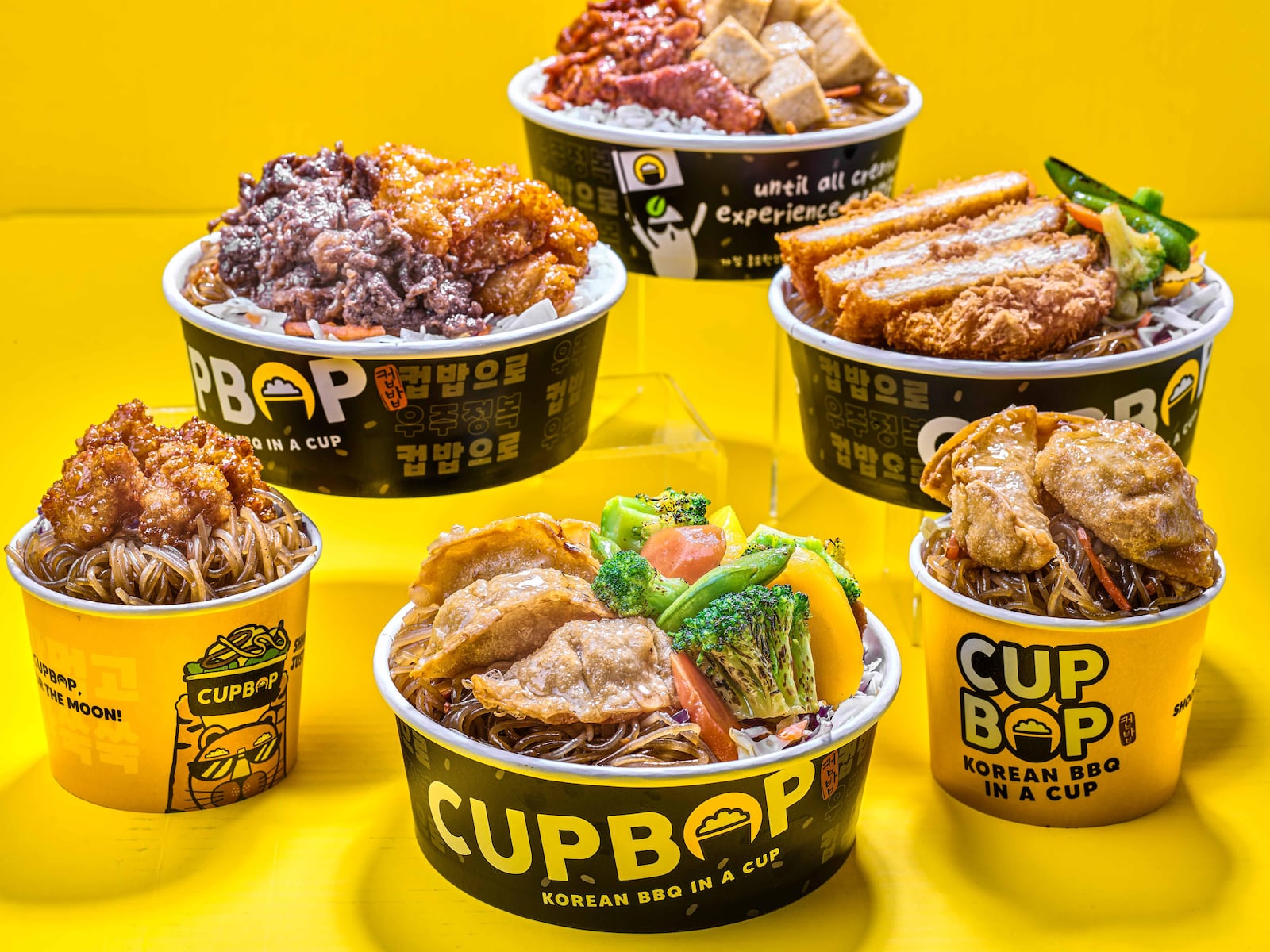
One of Utah’s most well-known success stories, CupBop, grew from a single food truck into a globe-spanning brand with over 200 locations throughout the United States and Indonesia.
Its initial popularity came from its fast-casual take on Korean food — the restaurant’s menu features classic Korean flavors, served up with a customizable spiciness level. When co-owners Junghun Song and Dok Kwon appeared on season 13 of “Shark Tank” in 2022, Mark Cuban made them an offer of $1 million for a 5% stake in the company.
“Appearing on ‘Shark Tank’ gave us nationwide exposure — honestly, more than we anticipated,” Song says. “In hindsight, we probably weren’t fully prepared for the level of exposure that came with the show.” Though the deal didn’t close, the team has been guiding its brand into the fast-casual powerhouse that it is today. “The experience ultimately gave us confidence that the path we had been pushing ourselves on was the right one,” Song says.

FiberFix/FiberWeld
When local entrepreneurs Spencer Quinn and Eric Child developed FiberFix, an adhesive wrap that was durable enough to repair everything from broken furniture to leaky pipes, they knew that they had a hit on their hands.
The product’s unique, water-activated formula resulted in a repair tape that became “steel-hard” and could withstand 500 PSI, making it far more reliable than your average roll of duct tape. The pair pitched their idea during season five (which ran from 2013 to 2014) of “Shark Tank,” which resulted in interest from Kevin O’Leary, Robert Herjavec and Lori Greiner. It was Greiner who secured the deal, offering $120,000 for 12% equity in the company.
Thanks to Greiner’s QVC connections, FiberFix broke into several new markets and national retail outlets like Ace Hardware and Home Depot. In 2018, epoxy and adhesive company J-B Weld purchased FiberFix and rebranded it in some markets to FiberWeld, where it is still in distribution today.
Currently, Quinn is CEO of Merch Makers, which helps content creators create custom apparel and merchandise for their respective brands, and Child is CEO of Spark Innovation, which continues to acquire and develop new consumer products.
Sub Zero Ice Cream
Jerry and Naomi Hancock founded Sub Zero Ice Cream based on a revolutionary method of flash-freezing ice cream using liquid nitrogen, which allowed for an increased level of flavor customization.
Visitors to any Sub Zero Ice Cream location are treated to a spectacle, where their liquid ice cream is mixed and then frozen in a vapor of liquid nitrogen right before their eyes. The duo pitched their idea on “Shark Tank” during season four (2012 to 2013), but did not secure a deal from any of the sharks on air.
However, the ability to simply pitch a brand on-air did wonders for the Sub Zero brand. “If we hadn’t had that exposure, we would have probably closed up within a year,” Jerry says. The brand operates 20 stores nationwide and the Hancocks have recently opened a new location in Pleasant Grove, where they are hoping to facilitate more scientific demonstrations. Both Jerry and Naomi have backgrounds in chemistry and education, and they’ve used the Sub Zero brand to conduct demonstrations at schools all over the state.
RAGS
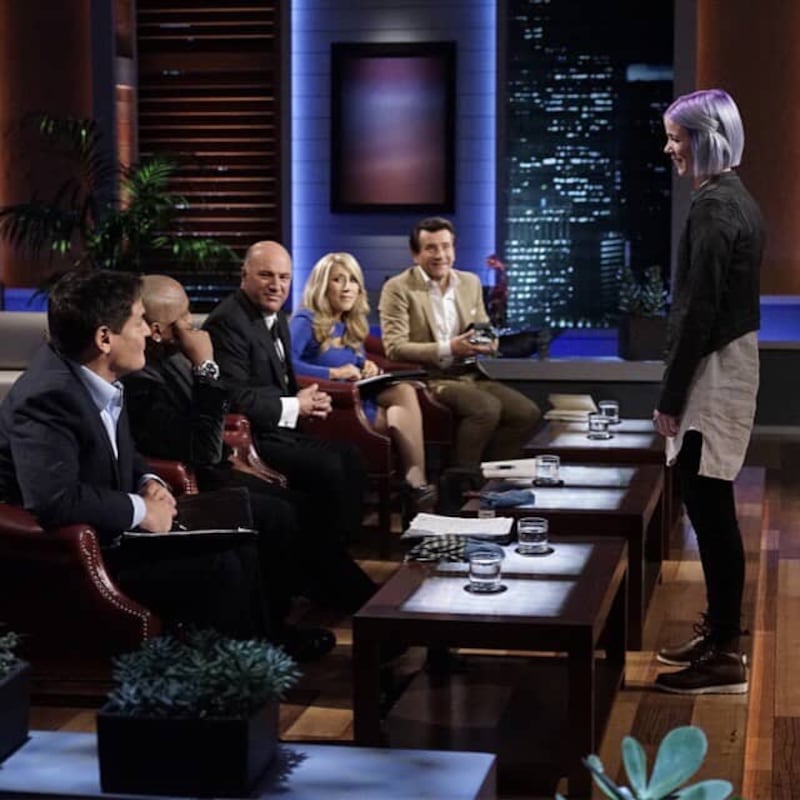
Rachel Nilsson, founder and CEO of local clothing brand RAGS, got her start by showcasing and selling hand-crafted children’s clothing via Instagram. She developed snapless rompers that were ideal for infants and toddlers; the innovative design made it easier for parents to change their children in and out of outfits on the fly.
The brand started as “Rags to Raches,” and eventually Nilsson gained enough traction to appear on season 7 of “Shark Tank” back in 2016. Her pitch ended with Robert Herjavec offering $200,000 for 15% of the company. The deal didn’t officially close, but the appearance on “Shark Tank” put Nilsson’s company on the map. Nilsson rebranded the clothing line as RAGS and accepted a series of successful distribution contracts with several national retailers, including a partnership with Nordstrom and Disney in 2018.
Uncharted Supply Co
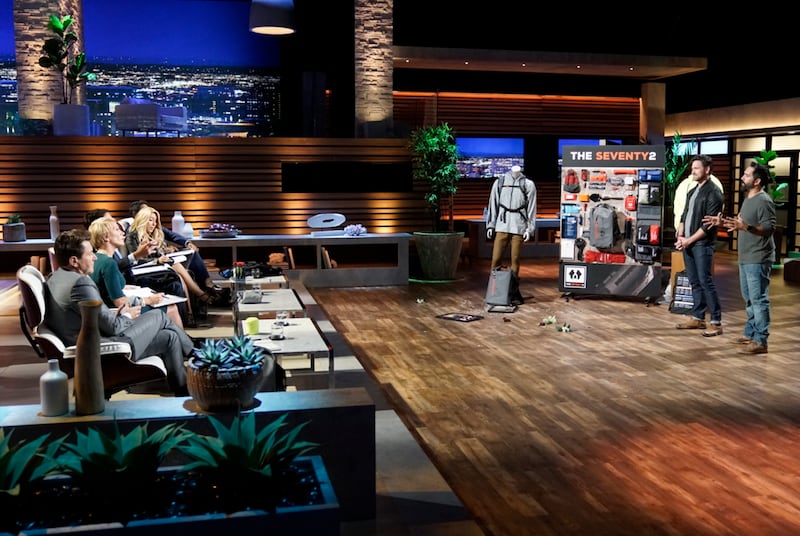
Disasters don’t wait for convenience, and neither does Uncharted Supply Co. What began as a direct-to-consumer brand with a single emergency kit has grown into a preparedness company whose products are used by everyone from families and backcountry adventurers to Fortune 500 companies and government agencies. Today, Uncharted’s emergency, first aid and vehicle kits are sold in thousands of retail locations, including Costco, Bass Pro Shops and West Marine, and have even earned a place in the Museum of Modern Art for their innovative design.
When founder Christian Schauf appeared on “Shark Tank” in season 15, he pitched the idea that emergency preparedness could become part of everyday life. Robert Herjavec agreed, offering twice Schauf’s original ask. Though the deal ultimately didn’t close, the national spotlight proved invaluable. “We sold three times what they told us to plan for when the show aired,” Schauf says.
The biggest surprise wasn’t the surge in sales, but the flood of customer feedback. Viewers wanted preparedness solutions for entire households, not just individuals. That demand led Uncharted to expand its lineup from a one-person kit to options for families of two, four, six and eight, helping shape the company’s next chapter.