This story appears in the June 2026 issue of Utah Business. Subscribe.
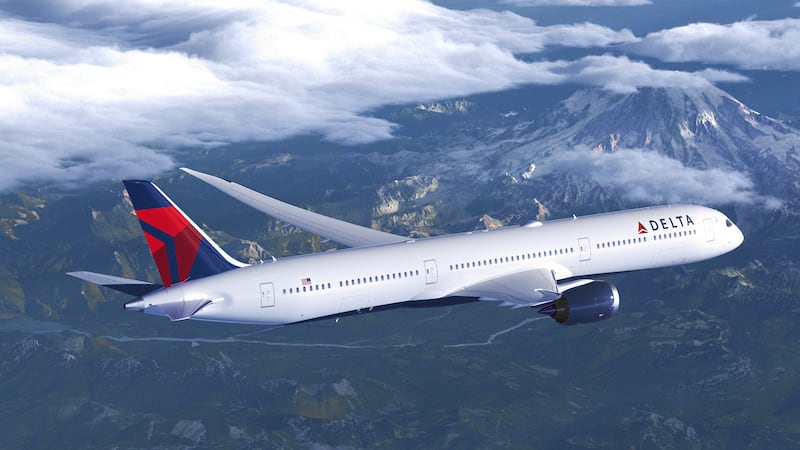
In January 2026, Delta announced it would be adding 30 new Boeing 787 Dreamliner aircraft to its widebody fleet. Critical components for these aircraft will be manufactured and assembled in Utah.
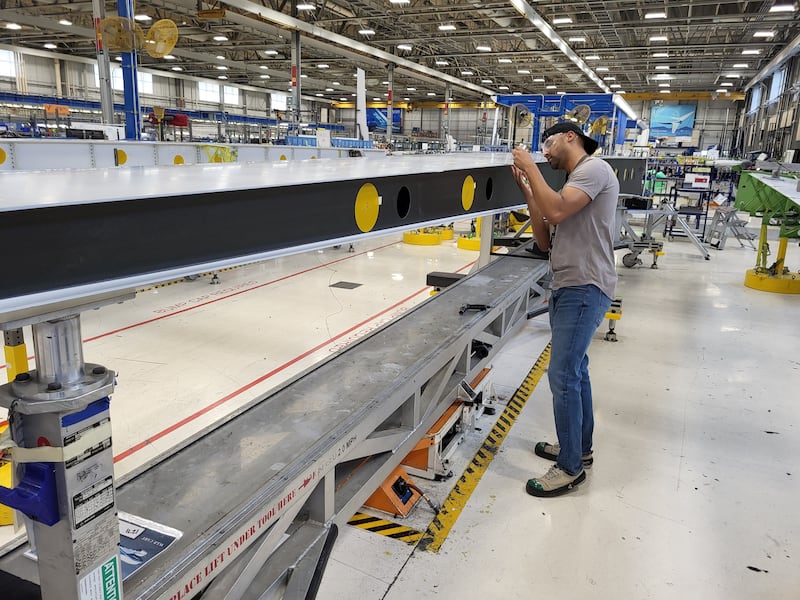
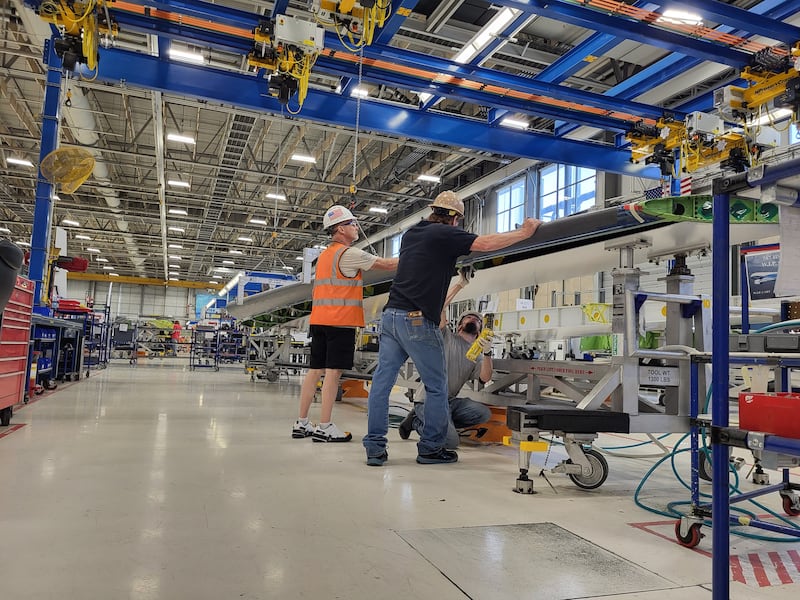
The vertical fins and horizontal stabilizer for 787s are assembled at the Boeing facility in Salt Lake City, and the newer plant in West Jordan focuses on fabricating its composite structures.
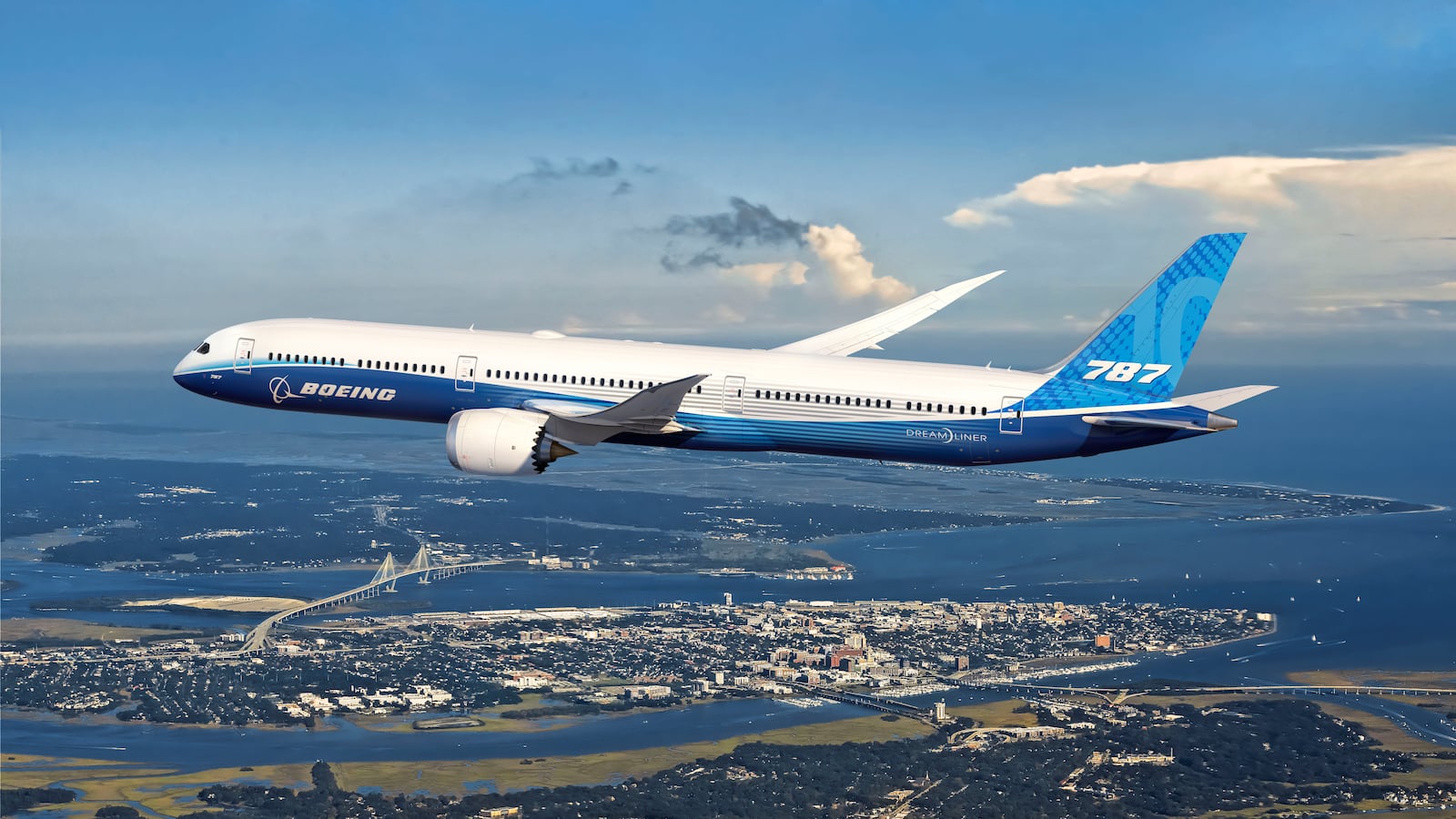
First introduced in 2011, Dreamliners feature advanced aerodynamics, increased fuel efficiency and significant cargo capacity. The airframe is composed of 50% composites by weight, which means it weighs less than traditional metal aircraft and doesn’t require as much fuel to lift, climb and maneuver.
The jet is also a favorite among pilots and passengers, according to Berj Alexanian, manager of public affairs at Delta Air Lines. He says it’s a rare instance when Delta’s own pilots and customers were making requests for a specific aircraft.
Alexanian says the addition of Dreamliners to the widebody fleet will further the company’s mission to expand its global service and also help meet the company’s sustainability goals. The fact that some of it will be built in Utah is “icing on the cake.”
“There are huge components of this world-class widebody aircraft that are going to enable Delta to go global and be the global airline of choice. Utah has always been a key part of that story, regardless of the Dreamliner,” Alexanian says.
Delta is Salt Lake City’s largest carrier, operating around 270 peak-day flights to over 100 nonstop destinations. The airline also announced plans to develop an $18 million cargo facility in Utah, and the only Delta pilot training facility outside of Atlanta is located in Salt Lake City.
Alexanian says Delta has enjoyed its partnerships with Utah leaders, and the recent moves are evidence of its commitment to the state.
“We keep seeing that Utah is one of the best places for Delta to keep investing in. We call it the premier gateway to the West,” Alexanian says.
The airline’s latest order is just another building block in Utah’s role as both a strength to the aerospace industry and as a premier global hub.
Maintaining the gold standard
Boeing’s Salt Lake facility has operated since 1987, so helping manufacture elite aircraft isn’t news. The facilities are made to handle the production demands of this new order, says Kevin Rork, Boeing Salt Lake site leader.
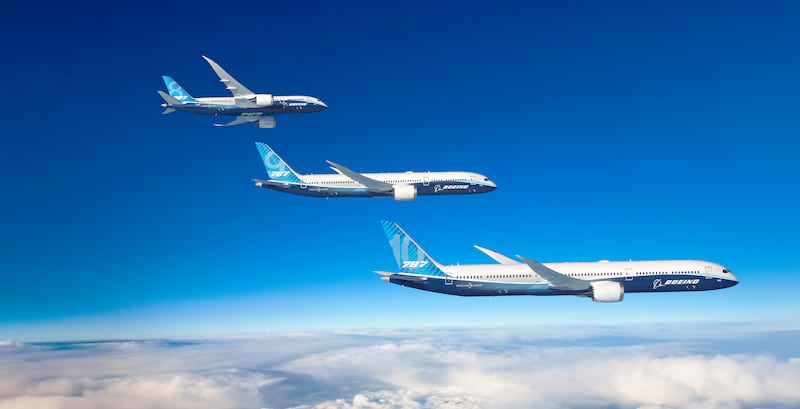
“The factory and parts are designed so all minor models can be built on the same production line. We are designing with producibility in mind to help ensure our next generation of products are produced simply and efficiently, while meeting the highest standards of safety and quality,” Rork says.
The boom for these world-class airliners has contributed an annual $430 million for Utah suppliers, and Delta’s order only furthers that success. Since the Dreamliners have been around for a handful of years — Salt Lake helped deliver the first in 2018 — the Utah facilities have operations ironed out.
“We are closely collaborating with our Utah suppliers to assure supply, advance our shared goals of safety, quality and stability, and support future rate increases and customer needs,” Rork says in an email.
Along with Boeing, Utah houses several big names in the aerospace industry, including Northrop Grumman, Lockheed Martin, Duncan Aviation and Janicki. To continue drawing large projects and partnerships to Utah, attracting and retaining talent is key.
In 2014, Boeing partnered with the state to create the workforce development program Utah Aerospace Pathways. The program allows high school students to take classes and spend time in Boeing facilities to learn firsthand about advanced aerospace manufacturing.
Upon completion, students receive a certificate and are guaranteed a job interview with participating aerospace employers. Rork says Boeing plans to continue partnering with Talent Ready Utah to “support initiatives that are tailored to the needs of the community.”
Benefits for Utah’s citizens
While this deal is great news for Utah’s economy, its ripples could affect everyday Utahns when the first Delta Dreamliner deliveries begin in 2031. The near future could see someone boarding a flight from Salt Lake City destined for even more global destinations.
A plane’s ability to travel long distances relies on several factors: fuel efficiency and fuel burn rate, the aircraft’s weight, aerodynamic efficiency, altitude and weather conditions like headwind.
Dreamliners check the boxes on the controllable factors, and Alexanian says the increased cargo capacity is a game-changer. These new jets could be key to additional international routes from Salt Lake City.
“The Dreamliner, the Utah cargo facility for Delta — all of those things enable Salt Lake City to be the premier gateway to the world for Delta,” Alexanian says.
Customer and community input is also important for opening new routes. Alexanian says Delta has a “phenomenal” relationship with the Utah business community. The airline has advisory boards dedicated to seeing where the opportunities are and where they need to fly to support their customers.
Air travel is a two-way street in many aspects. Each new route from Salt Lake means residents have greater access to the world, and vice versa, the world gains easier access to Utah.
“We’re always making sure that not only can we serve the Utah business community and leisure travelers, but we’re also saying, ‘What can we bring to Utah as well?’” Alexanian says.
Alexanian points to the Lima, Peru, route as an example. It opened several cultural gateways and experiences, but it also created easier business opportunities between Lima and Salt Lake City.
Looking up and looking ahead
Delta has a firm order for 30 Dreamliner jets with options for 30 more, bringing the total value to approximately $17.6 billion.
Once the first Dreamliners enter service for Delta, Alexanian says a few considerations are taken when determining if they’ll exercise those options. These include the number of planes in the fleet that need to be retired, the demand for more premium aircraft and even sustainability factors.
A few years will pass before the rest of the world sees the product of this collaboration, but it will be worth the wait for global travelers experiencing a world-class aircraft paired with a premium airline.
And it will be even more special for Utahns, who will have a piece of home taking them across the ocean.