
This story appears in the May 2026 issue of Utah Business. Subscribe.
Each of Utah’s 29 counties offers unique advantages for businesses and talent alike. Let’s visit Sevier County.
Rural Utah counties have previously relied on single industries to thrive, like coal, agriculture and tourism, which have made the rounds and continue to be mainstays in certain areas. As Utah prepares for the 2034 Winter Olympics, and urban counties consider the benefits of tech as outlandish as flying cars, many rural counties are modernizing as well — by diversifying.
In Sevier County, legacy industries are being reinforced with new investments into trail infrastructure that serves both residents and visitors. These recreational and practical paths have been steadily built over the last few decades into an interconnected economic asset.
The county’s economy has long relied on agriculture and energy. According to Greg Jensen, Sevier County Commissioner, the county currently generates more than $300 million annually in agricultural receipts and is also Utah’s largest coal-producing county. Mining jobs alone support a wide network of trucking, service and supply positions.
But while those industries remain foundational, county leaders have intentionally diversified by investing in outdoor recreation infrastructure — not as a tourism add-on, but as a complementary economic strategy.
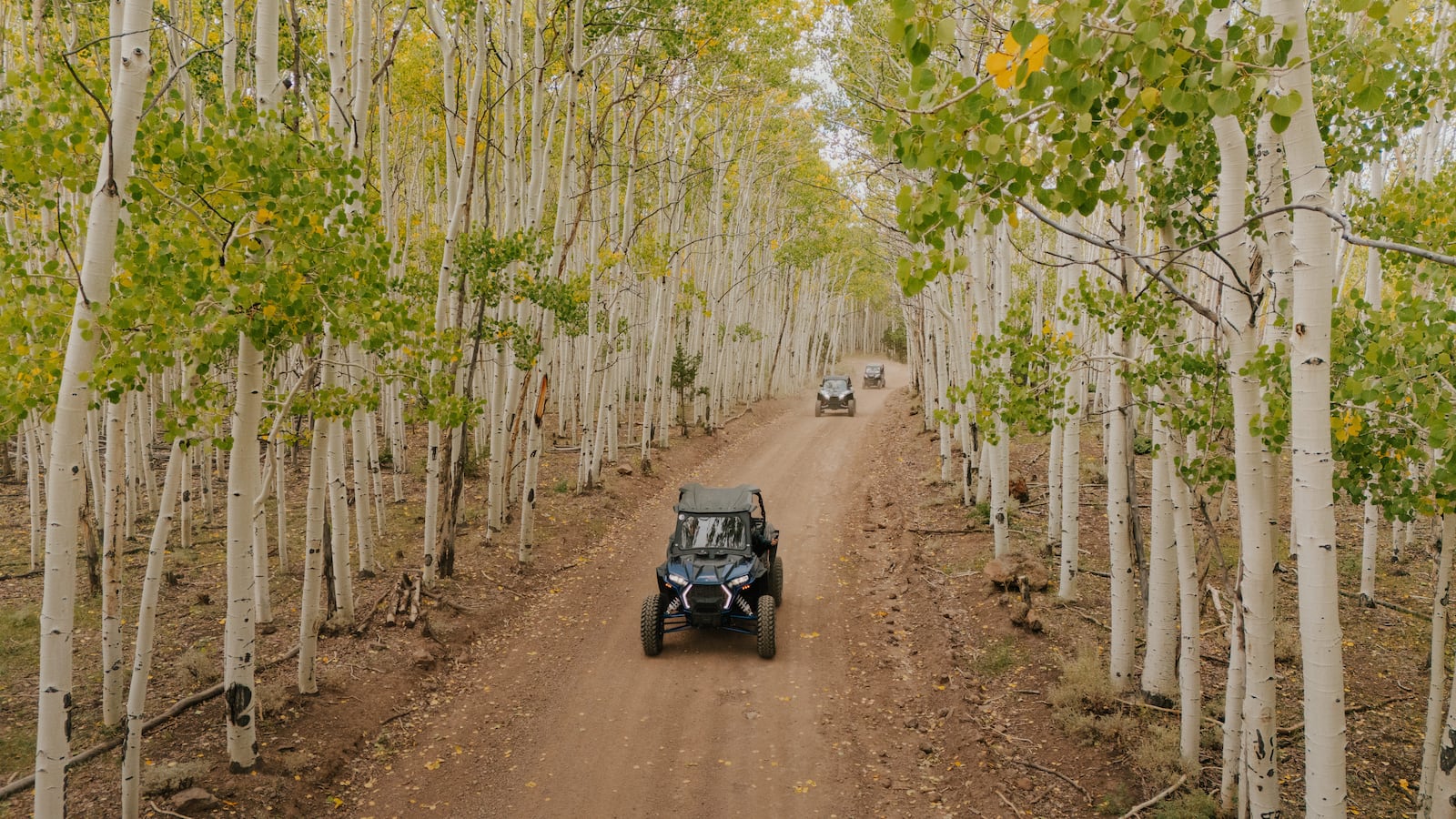
“About 20 years ago, we went through an exercise to identify the county’s brand,” Malcolm Nash, Sevier County’s economic development director, says. “What came out of that exercise … was this brand of ‘Utah’s Trail Country’ because we have the ATV trails. … We realized, let’s keep going on that theme of Utah’s Trail Country; and that’s what we’ve been building.”
From dealership to destination
Dennis Jorgensen, owner and operator of Jorgensen Powersport, has been a Honda dealer in Richfield, Utah, since 1962. When ATVs emerged in the early 1980s, Sevier County’s geography made their value immediately clear to his business.
“We have a lot of mountain areas, riding areas. We have a lot of hunting and fishing, and we have a lot of agriculture,” Jorgensen says. “The farmers found that [ATVs] were very beneficial for them to run around their fields, and the hunters and the fishermen could get into new, hard-to-reach areas, … so we’ve capitalized on that.”
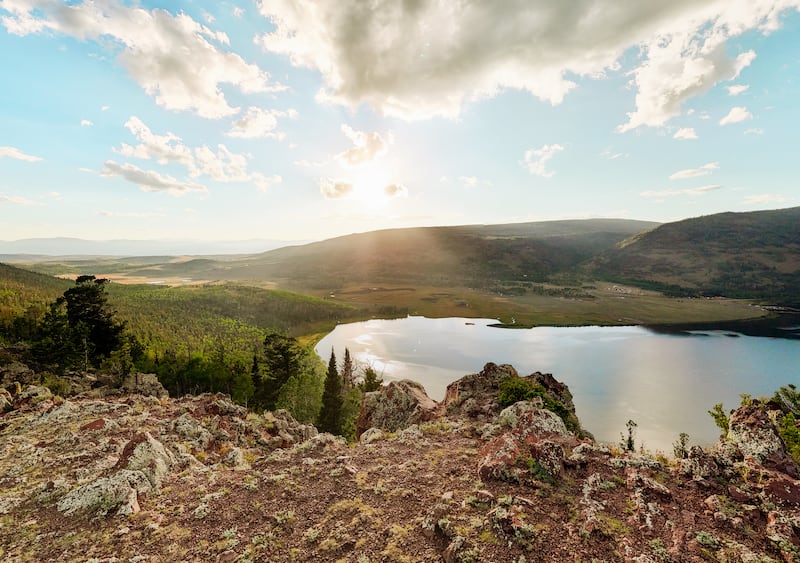
Jorgensen, an avid mountain biker himself, became heavily involved in the creation of the county’s trail system in partnership with the Bureau of Land Management and the U.S. Forest Service. He personally donated funds and, with the help of other community members, persuaded the city and county to match contributions. The result was enough capital to hire grant writers, engineers and trail builders to develop a system that now rivals nationally known destinations.
“In my opinion, we have better mountain bike trails than Moab or Colorado or anybody in the country,” Jorgensen says.
Trail tourists now arrive every March and continue to visit until snow falls, filling hotels, restaurants and gas stations while supporting local service businesses. Jorgensen Powersports alone employs about 60 people and provides powersports, bicycles, sporting goods, trailers and even a bowling alley for guests and locals alike.
Trails that work for locals, too
For local leaders, trail investment has always served two audiences: visitors seeking experiences and residents building daily life. Jensen notes that while tourists visit for adrenaline-filled recreation, the county ensures that equal care and attention are given to paved bike paths and pedestrian connections.
“We connect families,” Jensen says. “Mothers going for a walk with their children or a family riding their bikes through our communities — that builds community spirit.”
To date, Sevier County has constructed 26.92 miles of pedestrian pathways, investing more than $11.5 million over 25 years. Another 4.32 miles are slated for development in 2026-2027, bringing the total to just over 31 miles. The long-term vision is connectivity, eventually allowing residents and visitors to bicycle nearly the entire length of the county, from Redmond in the north to Big Rock Candy Mountain in the south.
The county’s trail portfolio now includes ATV routes, mountain bike systems, paved paths, equestrian trails, BMX and pump tracks, and even paragliding launch access points that host international competitions.
“Come find your trail,” Nash says. “We’re building the infrastructure so that people can experience something on a trail, however they define it.”
Economic return and shared responsibility
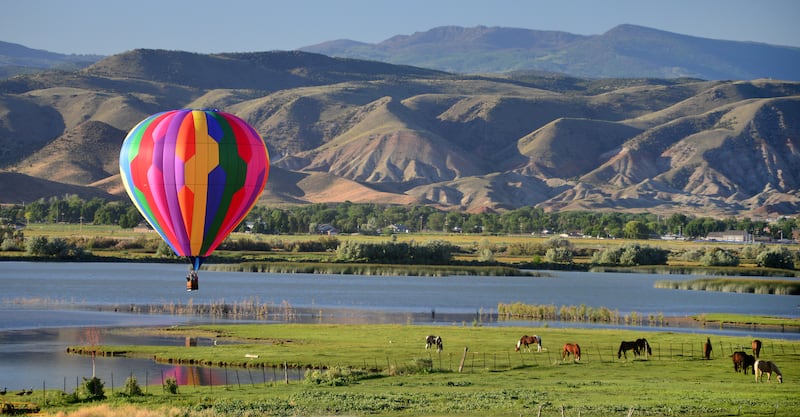
That infrastructure generates measurable fiscal returns. Increased visitation has driven growth in Sevier County’s transient room tax and restaurant tax, providing revenue that can now be reinvested into emergency services, search and rescue, and law enforcement. These funds provide critical support in a county where visitors place added strain on rural systems.
Recent legislative changes allow tourism-generated tax dollars to fund those services, reducing the burden on local residents.
“It’s a very typical business model,” Nash says. “We have the infrastructure and events for people to come here, stay for a weekend and spend a few dollars having a great experience. … It’s a mutual deal that works out for everybody.”
Jensen points to the rise of ancillary businesses, such as bike shops, ATV repair, equine services and e-commerce operations, as evidence of how trails create economic ripple effects similar to traditional industries.
“One miner can support up to 12 other jobs,” he says. “These trails can do the same thing.”
A long game that pays off
Sevier County’s approach to developing its trail and tourist industry has been incremental, collaborative and deliberately rural-minded. Federal land agencies, state partners, local businesses and private citizens have all played roles. The result is a recreation economy that complements rather than replaces agriculture, mining and manufacturing.
For Jorgensen, the value is straightforward.
“[The trails] bring people to our community to spend money, and that’s a big economic boost,” he says.