

This story appears in the September 2026 issue of Utah Business. Subscribe.
Tyler Howells bought the last seat on the bus, which turned out to be a bale of hay, for the four-hour journey through rural China.
He was traveling from one factory to the next, making his way through the textile supply chain to understand every stage of the fabric-making process. He worked backward, visiting the finishing factories first, then the yarn makers, the dye houses, the weavers, the fiber factories and ending at the groves where they harvest bamboo.
Even the most involved buyers don’t make it past the finishing factories. Howells isn’t like the other buyers. He knows the language, he knows the culture and perhaps most importantly, he cares about the factory employees.
“What’s your best price?” is usually one of the first questions a buyer asks. Instead, Howells asks, “What do you do better than anyone? What are your capabilities?”
At each factory, he’d spend the day talking with the owner about the facility’s strengths and limitations. The owner would invite Howells to lunch, and later, to his home, where Howells would meet the family. He ate whatever food was offered to him — from sea urchin to pig nose — and conversations would run long.
For each factory, the process is the same. Ask questions. Listen. Earn respect. Build trust.
The factories became more than suppliers. They became trusted partners in problem-solving, testing ideas and building Cozy Earth products. Howells says the real competitive advantage on which Cozy Earth is founded is trust.
The search for something softer
The impetus for Cozy Earth can be traced back to Howells’ 11th birthday. Like most kids his age, he asked his mom for sheets, and they went shopping for the softest set they could find. Every fabric felt the same, and they went home empty-handed.
Fast-forward to Howells’ days at Brigham Young University. While trying to keep the Mandarin language fresh in his mind after an LDS mission, he was also helping import Asian goods, such as wood floors and beauty products. It led him to wonder if he could do the same with fabric — a thought that came after sleeping under a silk blanket a relative brought back from China.
The relationships — and the product — that resulted from his knowledge, experiences and explorations would be the foundation of Cozy Earth.
“[In China], I learned about their skill,” Howells says. “I learned about their technology and manufacturing, but the thing that really made an impact on me was the people and their love of Americans and what we’re trying to do.”
Those experiences shaped Howells’ view of the relationship as something more personal and collaborative than the geopolitical narrative often suggests.
“The people I work with in China talk about how it’s a symbiotic relationship, and it’s a true partnership with America,” he says. “At the end of the day, they want to help their families, the same way we want to be able to.”
He points to a factory owner who started on a single level in a small building and has grown to four floors in three large buildings. Cozy Earth is their largest customer.
“The pride you see in his eyes is similar to the pride I feel in my heart for the people that I’ve been able to help at Cozy Earth — the ones … working on our team.”
The direct relationships with the factories also offer insight into ethical working conditions and eco-conscious manufacturing processes. No matter what certification the factory held, Howells was adamant about seeing the conditions, equipment and technology in each facility. He also wanted to see how employees were treated and how raw materials were sourced.
The right touch
Cozy Earth’s fabric development process went through a number of iterations to achieve exactly the right feel.
“The first products that we got were really poor quality, and most of what I’ve seen in fabrics wasn’t great, especially bamboo,” says Howells. “It was clear to me early on we had to make something better, and that hadn’t been done before.”
“A lot of people are looking for something that brings comfort into their lives and really helps focus on things that are most important to them.”
— Tyler Howells
Creating the fabrics began with several six-inch-thick, phone book-sized books of swatches with tiny lettering, each with a different combination of weave, weft, warp, yarn and other specifications. There were thousands of different specifications for what the factory could do with the technology they had, some of which had never been made before.
Howells wanted the best one. “We went through the ones that they thought would be the highest quality, and we tested and tested and tested until we got to what we thought would really make a splash.”
Howells’ detailed journey through the supply chain refined the raw materials and processes that ultimately created Cozy Earth’s high-quality, enduring fabrics.
The first product Howells developed was the brand’s signature bamboo sheets. These sheets offer the type of uncommon quality Howells says customers don’t often see anymore.
But would customers pay for it?
Selling a high-end product
Producing the highest quality fabrics comes at a cost, but Howells knew there was a customer for it.
Cozy Earth found initial success at trade shows. High-end interior designers were interested in sourcing luxury sheets for their wealthy clients. Cozy Earth also found success in smaller, upscale shops in the Hamptons and Fifth Avenue in New York. The bedding made its way onto yachts, jets and other billionaire playgrounds. Word of mouth has also been a strong driver.
In 2018, Oprah featured the Cozy Earth Bamboo Sheets and Duvet Cover Bundle on her “Favorite Things” holiday gift guide. Since then, Cozy Earth has made the list in multiple categories every year. The company has also found traction online.
“Social media and creator partnerships are incredibly important to what we do because they allow people to experience our products through someone they are already following … or already trust,” says Tanner Lamb, chief financial officer of Cozy Earth. “When you’re selling sheets online, it’s not something you can fully appreciate until you’ve slept in it or tried it out. Authentic recommendations are super powerful for us.”
Becoming a household name
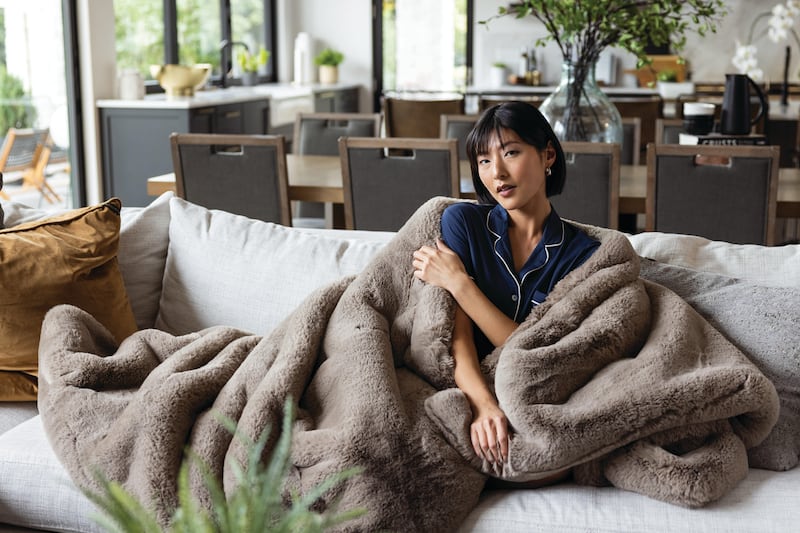
What started with a bamboo sheet set and silk comforters has grown into a lifestyle brand with several million customers and more than 500 products spanning bedding, loungewear, bath, skincare and everything in between.
Revenue increased by 3,371% from 2019 to 2026. The team grew from four employees to more than 100, and the brand works with more than 30 suppliers in 12 countries worldwide.
“The biggest thing that drives our growth is always going to start with product,” Lamb says. “We believe if we create products people love, then they’ll come back and buy again and again, and tell others.”
In addition to great products, Lamb says they invest in initiatives that will put Cozy Earth in the best position possible five years from now. Rather than maximizing short-term profits, they consistently reinvest in marketing, product innovation, customer experience and the team.
“We view those investments as enduring brand building and marketing,” he says. “And I think that’s what we want to continue to do: grow responsibly. Grow profitably, but always reinvest into the things that keep people coming back.”
But growth hasn’t been without challenges. The company has had to navigate supply chain disruptions, rising customer acquisition costs, cash challenges, geopolitical issues and, more recently, tariffs.
From Utah to everywhere
Utah has been central to Cozy Earth’s growth. Howells began his entrepreneurial journey during his second year at BYU. Although he considered returning to his native California, he believed Utah’s business-friendly environment and workforce made it the right place to build.
“There’s a lot of great talent here, but more than that, where we’re lacking experience in Utah, we make up for in attitude and effort,” Howells says. “There are a lot of smart people here who want to learn, who want to grow, and those are the people we’ve been able to attract.”
With that Utah foundation in place, Cozy Earth is now expanding its physical footprint. The company opened three California stores in 2025 — in Brentwood, Corona del Mar and San Diego — with more locations planned.
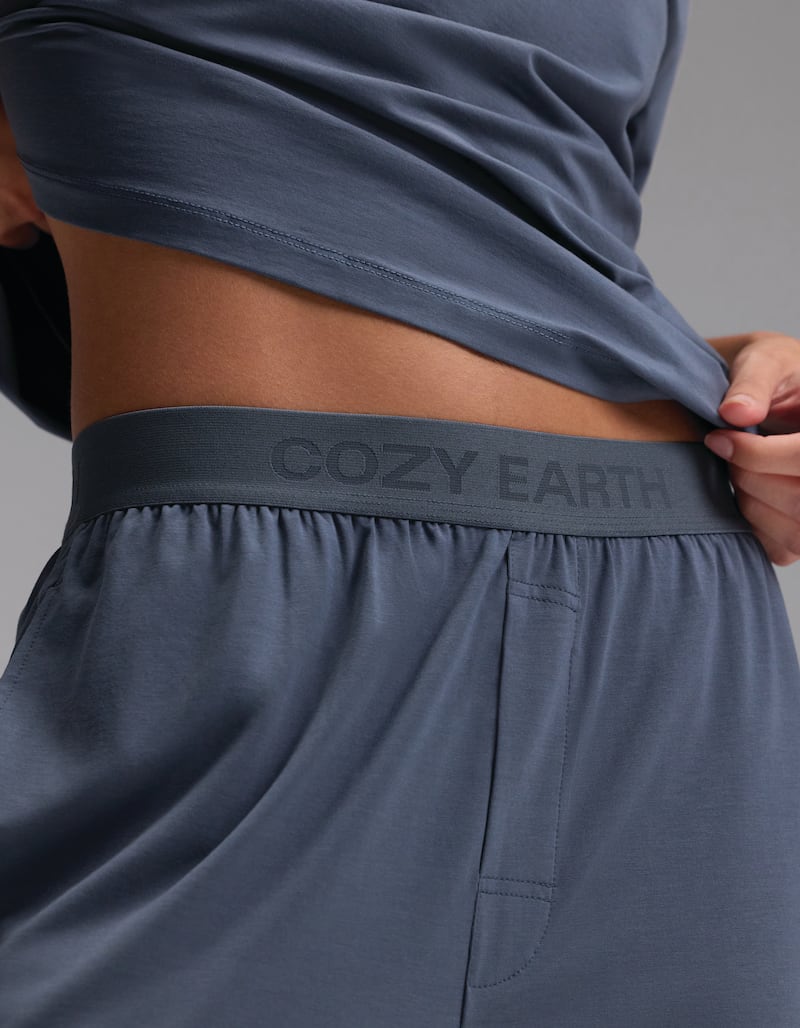
Lamb sees retail stores as a way to strengthen the entire business. “We have, obviously, financial expectations, but even more than that, we want to meet our customers where they are, and we want them to experience our products in person.”
The company is considering additional locations in markets including Texas, Nashville, New York and Utah as it pursues a much larger ambition.
“We want to build one of the most trusted lifestyle brands in the country, and eventually, globally,” Lamb says.
The real value of cozy
In a world moving faster than most can keep up with, Howells believes people are hungry for something that just feels good. Cozy Earth products are with you when you wake up and when you fall asleep.
“A lot of people are looking for something that brings comfort into their lives and really helps focus on things that are most important to them,” Howells says.
That’s what keeps him going. And he’s not done yet.
“We want to checkmate everyone,” Howells says. “We want to be the best.”