

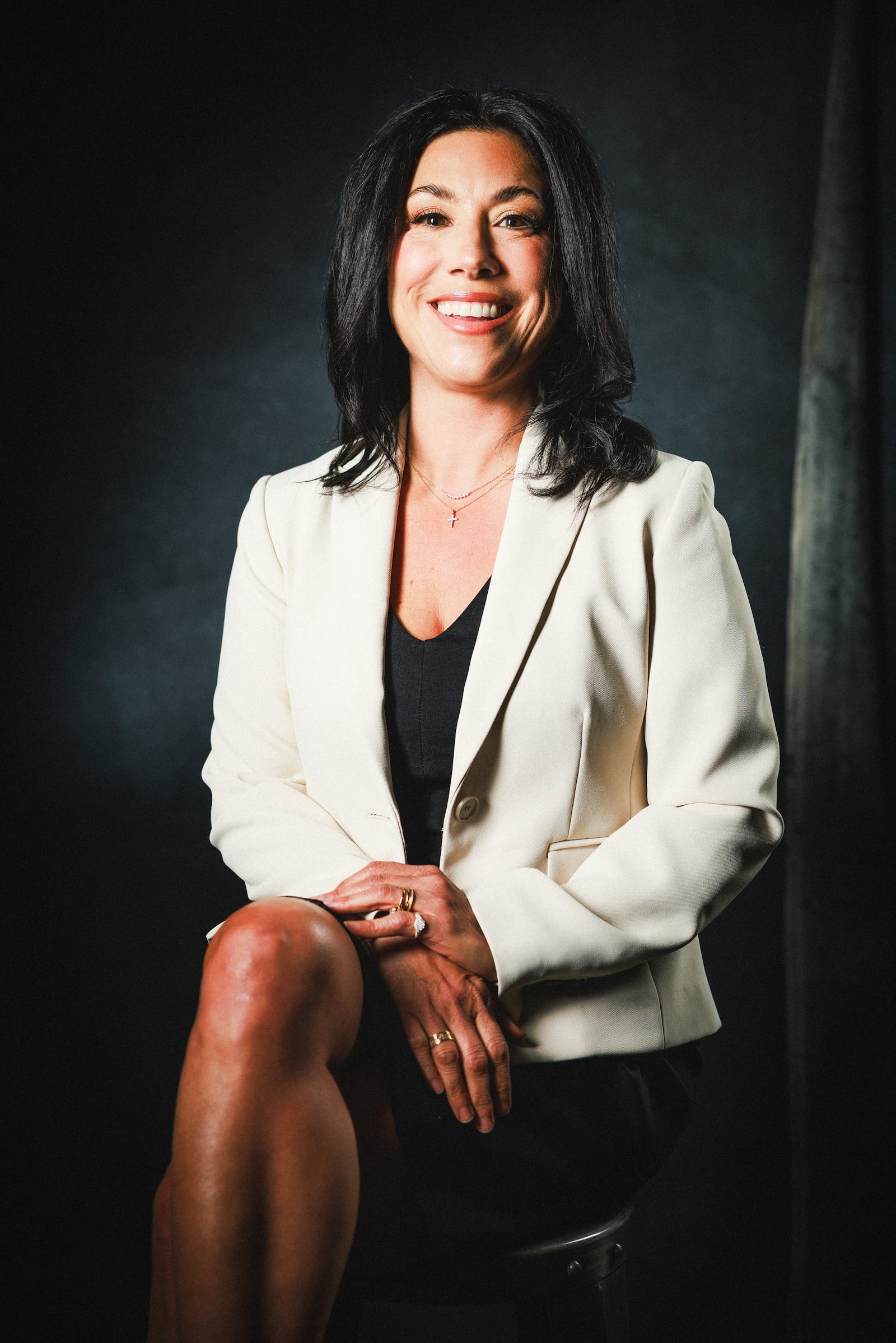
Natalie Cappuccio Britt
CEO & President | Zion National Park Forever Project
What emerging market trends or disruptions are you preparing your company for?
We are preparing for a convergence of pressures reshaping public lands stewardship, including record visitation, evolving fee structures, global economic shifts that influence travel behavior, and increasing strain on aging infrastructure. At the same time, philanthropy is becoming more discerning and more closely tied to measurable impact — particularly during periods of market volatility.
In response, Zion Forever Project (ZFP) has focused on building financial resilience and operational flexibility. Over the past three years, our revenue has doubled, allowing us to be more nimble and efficient while investing more deeply in mission-critical priorities. As a nonprofit partner that is not federally funded, this flexibility is essential and allows us to respond quickly where public funding alone cannot. This growth enables us to leverage congressional appropriations and taxpayer support through innovative public-private partnerships that advance the National Park Service’s mission. By aligning philanthropic dollars with public investment, we amplify impact while protecting long-term stewardship outcomes. Because we are funded through a combination of interpretive retail sales and philanthropy, shifts in tariffs, pricing and consumer behavior directly impact our earned revenue, requiring us to remain especially adaptive, disciplined and forward-looking.
What are you most looking forward to accomplishing in 2026?
In 2026, I am most excited about advancing long-term solutions that strengthen both people and place. This includes continued progress on ranger housing within the park, further implementation of regional planning that balances access with preservation and meaningful advancement of the East Zion Discovery Center.
The Discovery Center, now under construction on the eastern boundary of the park, is designed to address several of Zion’s most pressing challenges at once by improving visitor orientation and education, managing visitation more thoughtfully at the eastern entrance, and supporting gateway communities — all while reducing pressure on the park itself. It represents a proactive, solutions-driven approach to visitor experience, conservation and community benefit.
2026 also coincides with America’s 250th anniversary, a moment that invites reflection on our shared responsibility to steward the places that define our national identity. I am most looking forward to deepening Zion Forever’s work at the intersection of commerce and conservation, demonstrating how thoughtful, values-driven investment can support vibrant local economies while safeguarding the landscapes that make them possible. In doing so, we are building systems, partnerships and funding models that endure well beyond any single project or leader, ensuring Zion Forever Project continues to model what it means to care for one of our nation’s most treasured landscapes with integrity, innovation and collaboration.
Describe the growth of your company in recent years. What other major achievements did the company accomplish under your leadership?
Over the past several years, Zion Forever Project has experienced significant growth in both revenue and impact. Our revenue has doubled in three years, allowing us to operate with greater agility, invest strategically and return more resources to the park than ever before.
Because we are not federally funded, this growth has been especially important in giving us the flexibility to act quickly, fill critical gaps and support mission needs in real time. That flexibility was tested during the longest federal government shutdown in history, when ZFP worked alongside the park, the state of Utah and philanthropic partners to help maintain the visitor experience, support frontline staff and keep critical services and visitor centers operating. Our ability to respond quickly and responsibly during the shutdown reinforced the value of trusted public-private partnerships and strengthened confidence in our role as a mission-driven partner.
Under my leadership, philanthropic support has grown to more than three times its former scale, reflecting deepened trust, demonstrated results and a shared belief in the value of investing in stewardship that delivers lasting impact. This growth has enabled us to leverage congressional appropriations, state investment and taxpayer funding by pairing them with philanthropic support to advance innovative public-private partnerships. We have increased funding for infrastructure, education, science, search-and-rescue support, firefighter safety equipment and mental health resources for frontline responders. We have made meaningful progress toward addressing workforce housing challenges, including advancing plans to build the first new housing within the park since the 1960s, and continue to serve as the official nonprofit partner to Pipe Spring National Monument, Cedar Breaks National Monument and Dixie National Forest, supporting stewardship, education and visitor experience across the region.
Most importantly, this growth has strengthened our credibility as a trusted partner, allowing us to support the National Park Service with efficiency, accountability and long-term vision while meeting the growing demands placed on our public lands.
