The technology that originally enabled the automated delivery of niche audio content to MP3 players was invented in 2004 — podcasting, as it came to be known. And it quickly gained a small but dedicated audience.
By 2005, content creators began to wonder whether their passion projects could actually make money. The answer came in 2006, when Georgia-Pacific’s Dixie brand became the first corporate sponsor of an independent podcast by offering MommyCast an unsolicited six-figure deal.
“We were two moms talking about raising kids, and in those days, the only wholesome, family-focused podcast out there,” says MommyCast co-creator Gretchen Vogelzang. “Dixie wanted to be associated with our brand. … Getting started is great, but an audience comes with longevity and consistency. In my case, that means having the right partner. We motivated each other and came up with some great content ideas together. Plus, I could never just talk into a microphone by myself.”
Three Utah podcast trailblazers share behind-the-scenes decisions that turned podcasts into profit centers and answer one deceptively simple question: What actually moved the needle for monetization?
RadioWest
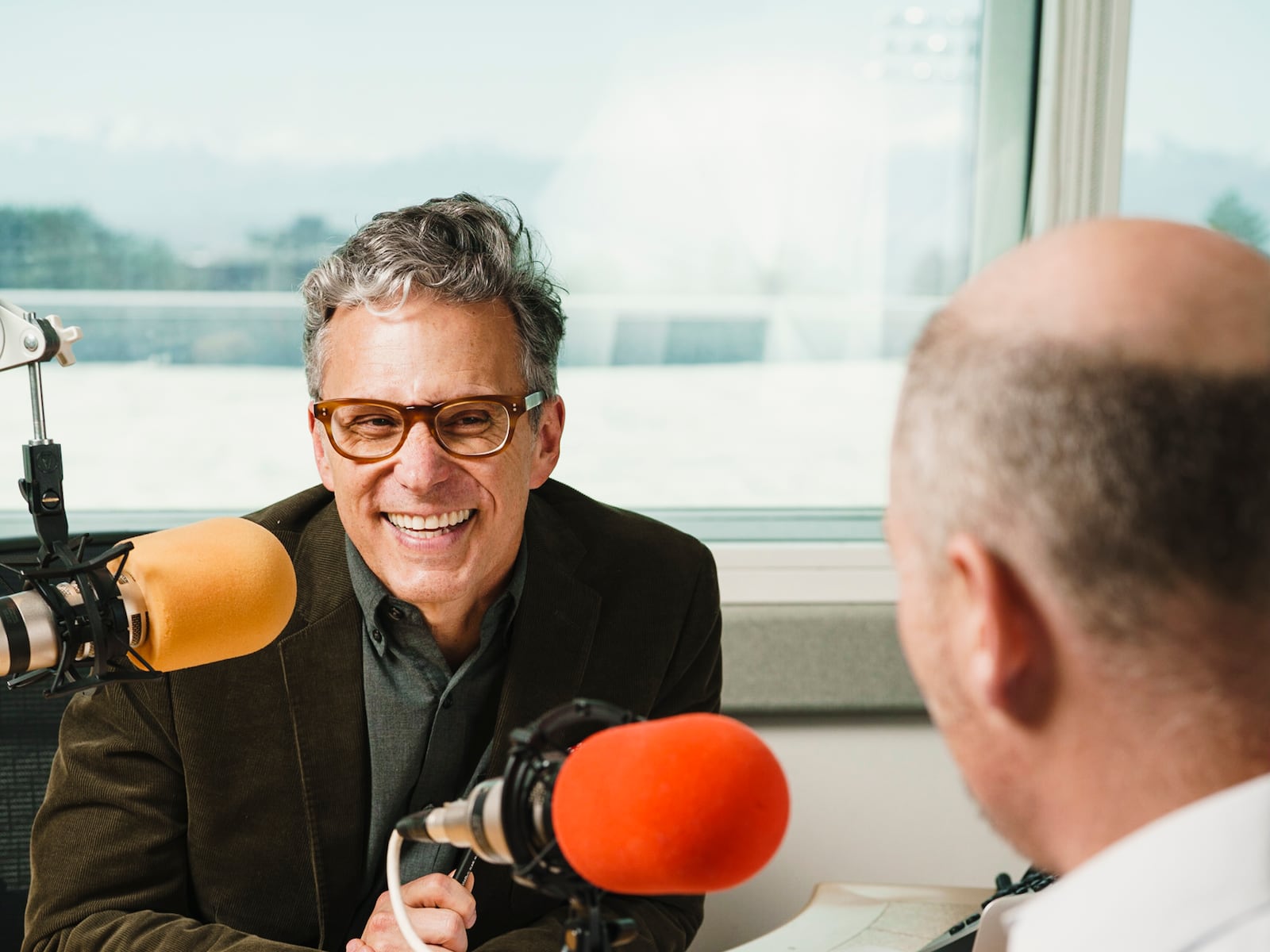
Doug Fabrizio has been host and executive producer of KUER’s RadioWest for a quarter century. Originally on-air-only, the show is now distributed as a podcast as well. Since KUER is a public radio station and a nonprofit, Fabrizio shared how his view on podcast monetization differs from that of a for-profit venture.
“What we think about is maximizing sustainability, not revenue per listener. We’re trying to make sure that what we do remains independent and accessible. The way we do that is by finding out what our listeners really want. That means doing audience research, not just looking at downloads, though that number is useful because it lets us see when a particular show does really well.
Being local is really important because that’s where you can be distinctive. You can find conversations with writers and thinkers everywhere. What’s distinctive about RadioWest is our focus on this place. We can tell a local story in a distinctive way that you can’t get anywhere else.”
Executive Producer, KUER RadioWest

CityCast Salt Lake City
CityCast is a network of daily podcasts in 13 cities. CityCast Salt Lake City was launched in 2021 by Ali Vallarta, a former producer on RadioWest. A clear advantage of podcasts over traditional radio is the granular engagement data — seeing downloads per episode, where listeners skipped back or where they quit listening. But Vallarta has an even better measure — direct audience feedback. Many paid CityCast members, who are entitled to an ad-free show, want to hear the ads.
“Step one to monetizing a podcast is to make a great podcast, because people will stick around to hear all of it and that lets you bring advertisers into the show at the beginning, middle and end. And listeners will be happy to hear ads because they want to support brands that support a product they love. For us, step two is to be hyper-local, because that attracts local advertisers, and our listeners see our advertisements as good content. If Harmon’s has a great sale going on, that information is just plain useful.
The media is full of personalities who roll their eyes when they have to read an ad. Not me. I think reading ads is one of the best parts of my job. I’m proud of the sponsors we have and am excited to talk about the things they’re doing and the ways they’re building our community. We’re really lucky that our show is something that matters to our listeners and they are quick to let us know how they feel about it. So we don’t even need to look at the data. We read our email the next morning and immediately know how something played.
— Ali Vallarta
Host, City Cast Salt Lake City

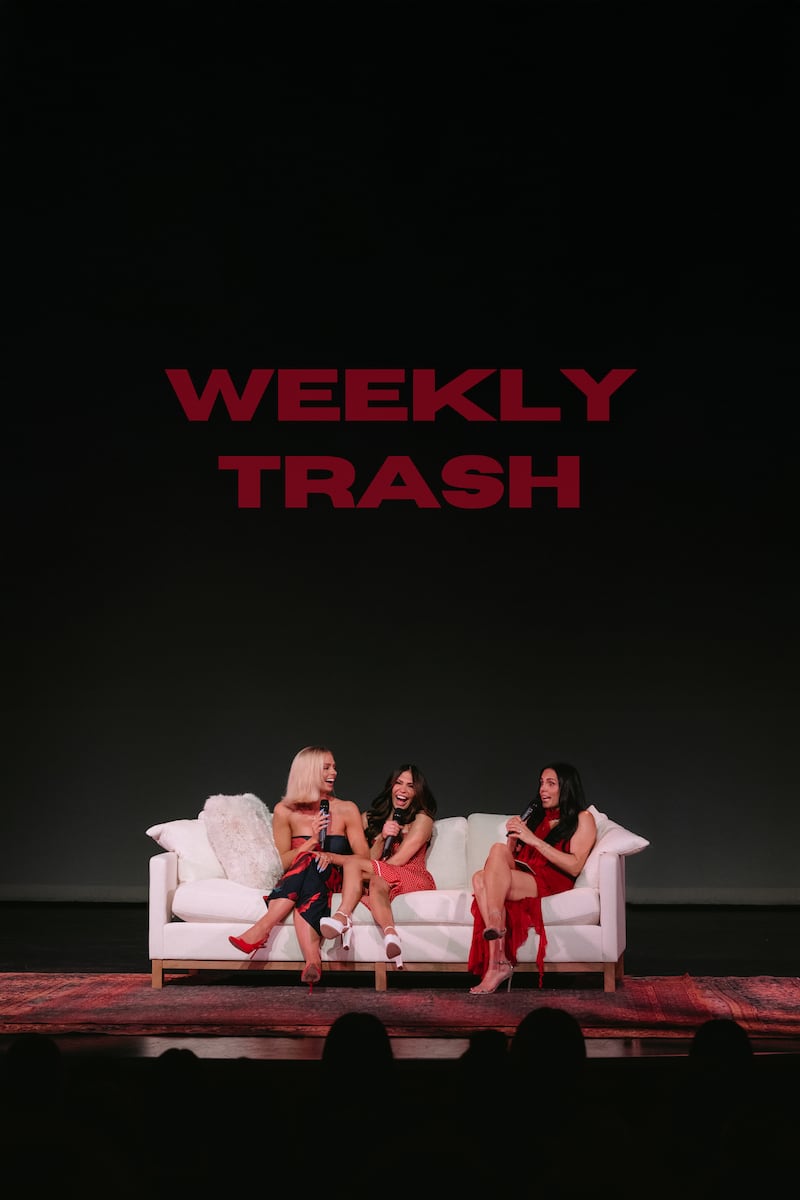
Weekly Trash Podcast
Josie Van Dyke launched the Weekly Trash podcast in 2022 as a young mother intent on reconnecting with her inner comedian. What started out as a much-needed distraction has evolved into her sole source of income. She says the key to making real money as a podcaster is, paradoxically, not to do it for the money. Though new podcasters won’t need it, Van Dyke says that once a show gains traction, professional management is the key to making it sustainable.
“You won’t make it past six months if money is all you care about. Podcasters don’t make any money ’til they are getting at least 10,000 downloads an episode. So start a podcast out of passion, not income. Second, community is the most important thing with podcasting, so focus on building one. Connect with your audience. Have inside jokes that only listeners would know. Be vulnerable and share things people will connect with.
I didn’t start making ’real money’ until I got management. Before that, I was reaching out to brands for sponsorships for as little as $100. A manager will negotiate deals for you and help bring you an income so you can just focus on what you do best.”
— Josie Van Dyke