
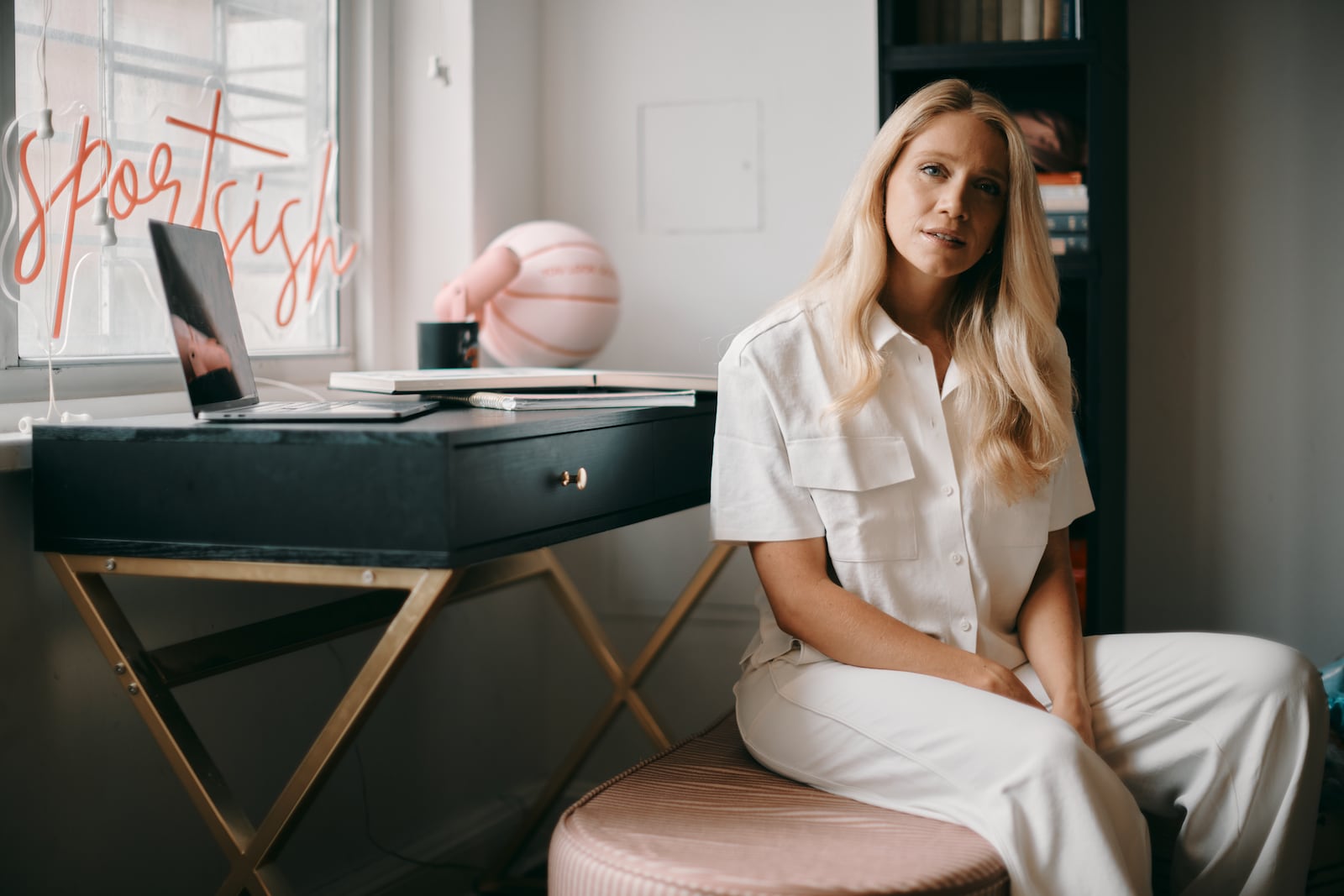
Lily Shimbashi is creating a movement that not only puts eyes on women’s sports, it lets women become sports fans on their terms. It’s a judgment-free space that cares as much about the championship ring as it does about the athletes’ engagement rings. It’s sports media, but with group chat energy.
Sportsish is a female-forward digital sports media company founded in 2021 by Shimbashi, which has garnered the attention of ESPN, Disney and other major brands in the past year. While ESPN hasn’t been able to authentically reach a loyal female audience consistently, Shimbashi says, “Women’s sports have been treated like something that needed fixing for so long, when really, it was just the way we were talking about them that needed to change.”
While mainstream sports media covers winners and losers, Shimbashi says she saw a market for content that humanizes athletes. It’s touchdowns and play-by-plays plus “all the fun ‘ish’ that makes sports gossip-worthy.” Scroll through the Sportsish Instagram or TikTok feeds and you’ll quickly find this humanity in the form of athletes’ baby announcements, pop culture references and fashion inspo galore.
After graduating from BYU in sports broadcasting, Shimbashi worked for the Jazz and recalls missing a game stat because she was Googling which Kardashian sister NBA player James Harden dated. Shimbashi wondered how many others like her wanted to learn more about the athletes they are cheering for.
While Shimbashi currently lives in New York and grew up on the East Coast, her Utah roots run deep. Her father is Utah sports legend Dave Checketts, who became the president and general manager of the Utah Jazz in 1983 and founded Real Salt Lake in 2004.
This is what Shimbashi told Utah Business about growing up with sports, finding a gap in the media market and building a company that attracted global brands.
You grew up with sports, but what was your personal journey finding passion in it?
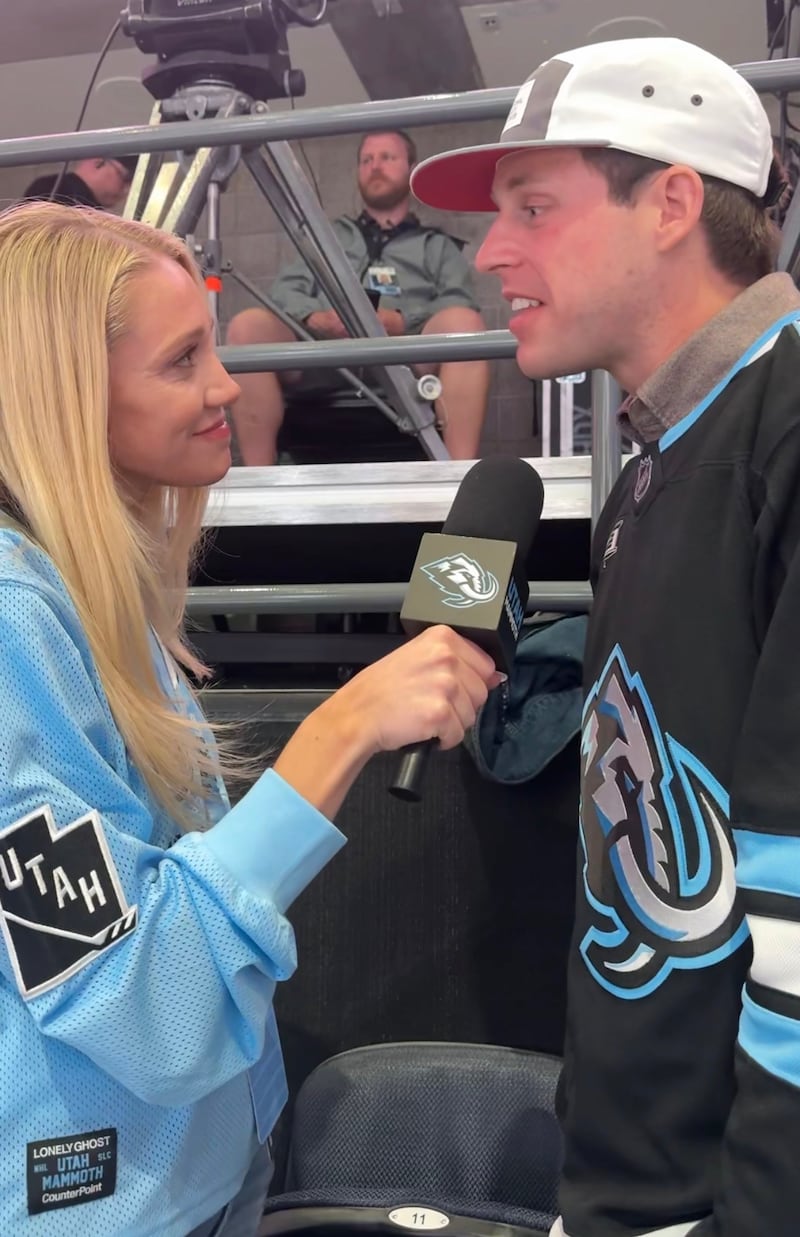
[My dad] helped bring The Liberty to New York, so I was never in a world where women’s sports weren’t cool or important. He took me to the games when I was little. I knew girls played basketball, too, from when I was very young, and so women’s sports became important to me as well.
Why don’t you think more women aren’t self-proclaimed sports fans?
Growing up, I was quizzed and doubted as a sports fan, because I’m a woman. I was asked to name players to prove it. It never really bothered me because I could do it. But at the time, I knew that was the kind of attitude that kept a lot of women from liking sports. They felt they weren’t valid enough.
I talk to so many women who say, “I don’t know anything about sports,” but they could love sports. I have friends who are the most passionate fans toward book series and boy bands … and if they just brought some of that energy to sports, they would be the best fans.
When did you decide you’d be the one to fill the gap in the sports media market?
My husband and I had graduated from college and were expecting our first [baby]. As I was holding my baby in the middle of the night, I had this really defining moment, where I thought, “Is this my forever? Am I just going to be a mom? Am I going to give up on this career?” And there is no “just” about it, but I started typing in my Notes app, creating this social media page dedicated to women in sports. I felt like no one knew the female sports audience better than me, and over the next six months, I developed a business plan and just started on Instagram, posting a few times a day.
At some point down the road, your content caught ESPN’s eye. How did that happen?
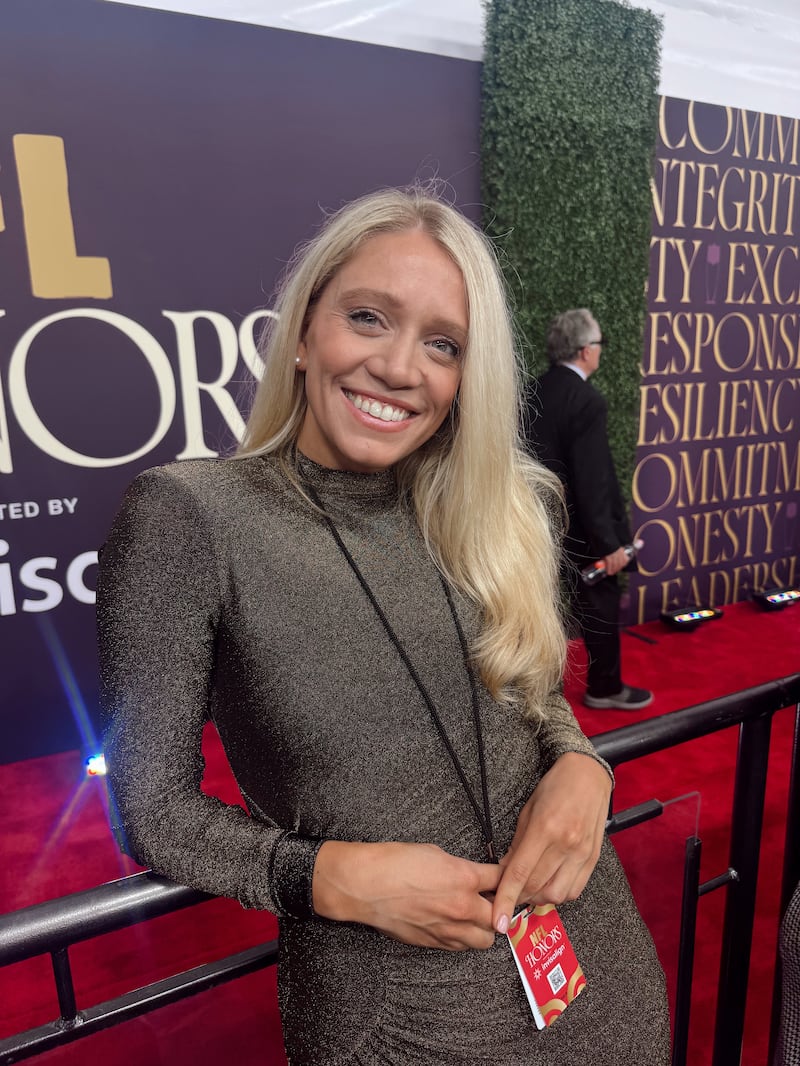
ESPN takes note when they see something or someone changing the sports landscape. I really set out to be the anti-ESPN because I think their comment sections are toxic. They are the definition of old school, mainstream sports reporting. I was trying to be very different. If ESPN was talking about stats, I was not. ESPN hasn’t been able to authentically reach a female audience. I was surprised when they reached out to have us as a collaborator, but it makes sense because we’re reaching people they’re not.
What do you attribute the current success of Sportsish to?
Timing is a big one. I got into this in 2021. By 2022, women’s sports fandom was rising, which I attribute to social media in general. … Taylor Swift showed up to an NFL game in 2023 … so alongside her, she brought a wave of women trying to figure out what football was and who Taylor was dating. Women are suddenly searching, “What’s a tight end?” and “Who are the Kansas City Chiefs?” I think when her fans went out seeking authentic sports content that felt safe and within their community, they stumbled on Sportsish.
When did this media business start making money?
The very first time I monetized the business was with the Utah company Albion Fit. We made a commission from a link. It was $2 on an order, but it was something. I remember thinking, “OK, maybe there is a market here.”
In the past year, we’ve had deals with Taco Bell, Adobe, Maybelline, Dick’s Sporting Goods and Nike. They know I have this audience that not many people do within this industry, and so that’s where we’ve actually started making money for the first time. But I just took my first paycheck in January. … It’s just about sacrifice, and I wouldn’t have done it any differently, because I’ve built a company with other women, and that’s really meaningful.
You waited years for this payout. Why did you stick with it?
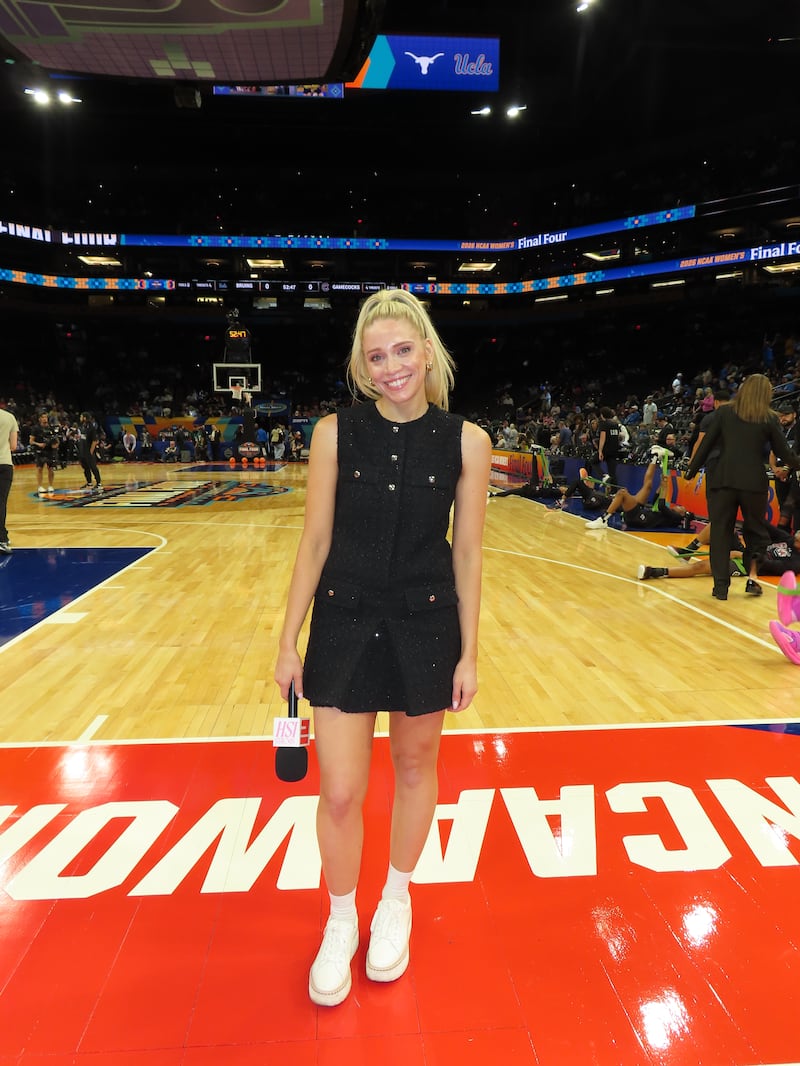
I knew women were out there waiting for this content. I knew the algorithm wouldn’t send them all to me within the first year. It’s just about getting the word out there, going viral enough times and making the right content. … I just kept showing up because I built something I loved that was so meaningful to me. It just became part of my everyday routine.
What do you think the key is to building a loyal audience for women’s sports?
Women’s sports have been stuck in a really bad cycle. In men’s sports, they have flashy stories and the media covers them. When you see something on TV, you want to follow it more. Women’s sports were getting 9% of sports media coverage when I started Sportsish. People didn’t know who these women were, when the games were, what the storylines were and what was exciting in women’s sports. No one knew. Since they didn’t know, they didn’t watch and they didn’t care. … I can tell how little someone has watched women’s sports by the way they talk about them. I firmly believe if people have gone [to games] in person, it will change their opinions.
Where do you want to see women’s professional sports go from here?
Women’s sports have been treated like something that needed fixing for so long, when really, it was just the way we were talking about them that needed to change. Sports are not for one type of person — it’s for anyone who wants to enjoy it, and we should be inviting more people into that experience. There’s an unlimited number of seats at the table, and the more we make space, the more the audience will grow. If we keep telling better stories and making it feel accessible, the momentum we’re seeing now will only keep building.
