
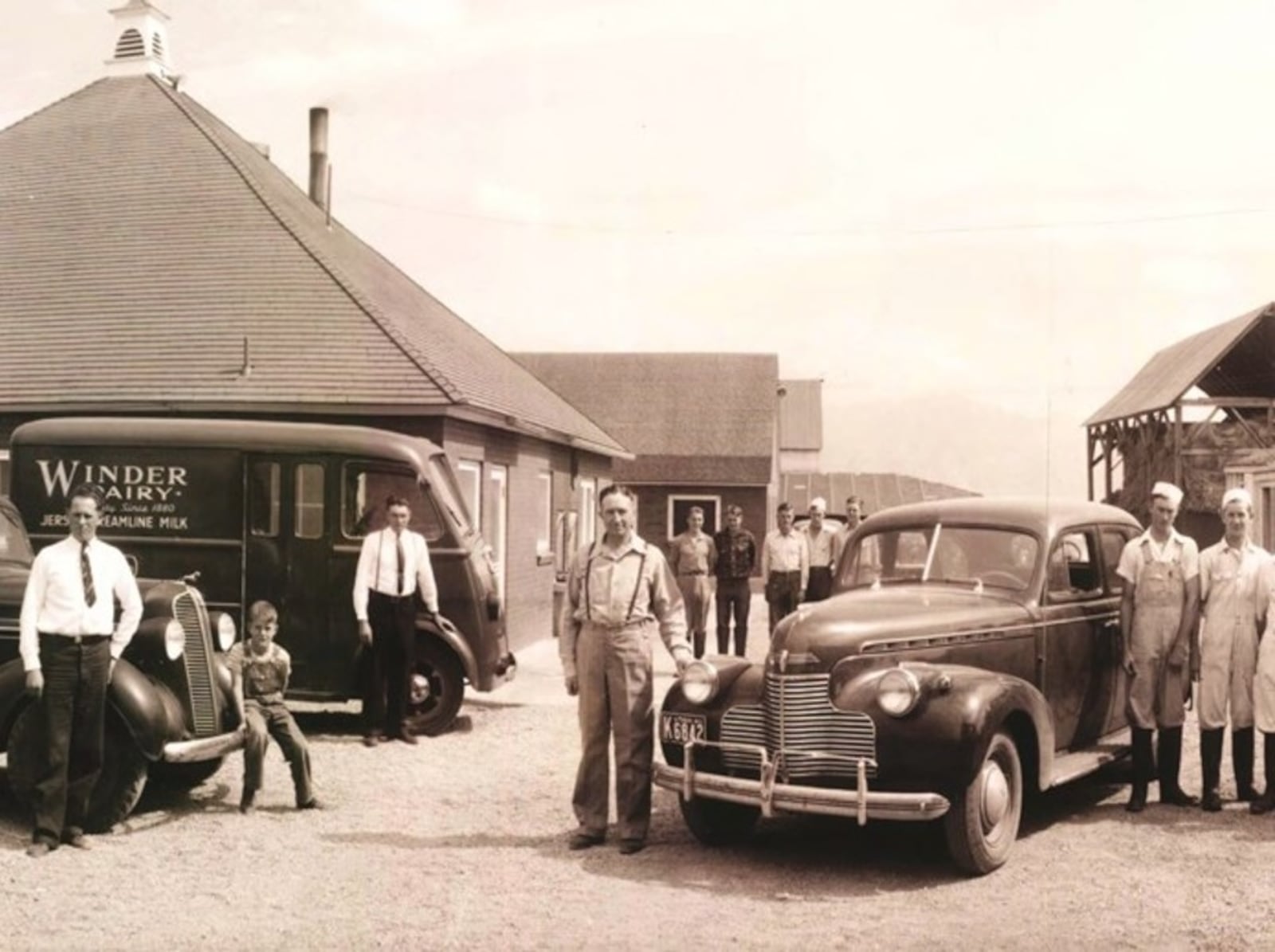
Ask anyone who grew up in Utah what day of the week their Winder Dairy deliveries were made and decades later, many will still remember — because for several generations, Winder was Utah’s milkman.
Winder Dairy was founded in 1880, at a time when milk was delivered via horse-drawn cart and each family’s allotment was manually poured from a churn into a bucket.
James Winder, a direct descendant of the founder, grew up being accustomed to seeing his family name on almost every porch and inside most refrigerators. He spent summers selling delivery subscriptions door-to-door before managing sales teams in college.
But by the time Winder graduated from Brigham Young University in 2004, Winder Dairy was at a crossroads. Business challenges compelled the principals to seek what he calls a “we-need-help type of investment.”
“The company was facing some challenging circumstances at the time with aging buildings, trucks and equipment. So they took on a significant investment from some private equity firms,” Winder says.
That capital infusion came from Utah-based private equity firms Dolphin Capital and Peterson Partners. And though it was not a buy-out, the size of the investment took control away from the Winder family and marked the beginning of a 21-year-long chapter of non-Winders at the helm. Winder Dairy became Winder Farms, and among the cost-cutting measures the new owners implemented, in the summer of 2019, the trademark yellow delivery trucks disappeared from Utah’s roads. When that happened, the number of Winder Farms’ product offerings dropped from 300 to eight, available only in the grocery store dairy section.
During those 21 years, Winder became an investment banker before launching Polar Star Capital Partners, his own private equity firm. All along, he had the desire to bring Winder back under family ownership — going so far as to raise money for that very purpose. But the timing wasn’t right.
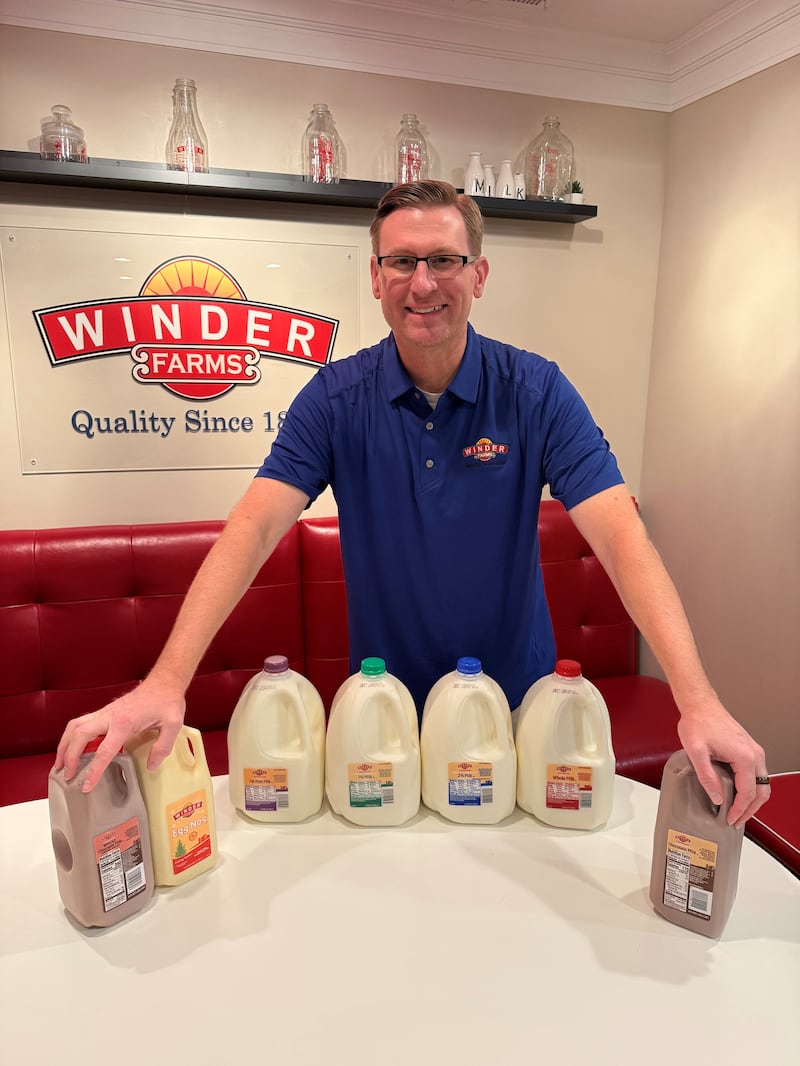
“Then, nearly two years ago, I had planned to reach out to Dolphin to see if they would be interested in exploring the sale of Winder Farms again. The day before I was planning to do that, I connected with Cherokee & Walker, another private investment firm, on something unrelated, and learned they had acquired Winder Farms about two years earlier,” Winder remembers.
At the time, Cherokee & Walker hadn’t formally put Winder Farms up for sale; however, they were open to selling it to the right buyer because it was the last asset in an old investment fund they wanted to wind down. Winder made a solid case for himself to be the right buyer, given his deep intrinsic interest in seeing the company succeed. Winder further reassured them by raising capital from his own family. His deep motivation to restore and grow Winder Farms, combined with the owners’ desire to wind down the fund, ultimately convinced them he was the right buyer with no intention of being a nostalgic figurehead.
“I’ve jumped into this passion project full-time as managing partner and CEO,” Winder says. “Our family is now the majority owner. Some friends and other family members have also joined in and they’ve been great to work with. We didn’t use any loans for the acquisition, so there’s none of the idiosyncratic risk that comes with debt.”
Winder started out by developing a three-part growth strategy:
Growth Strategy #1: Make Winder more modern
Once home delivery ended, so too did the need for a website and indeed, winderfarms.com went dark for a few years.
“We’re bringing the brand further into the 21st century. When visitors to our website click the Order Winder Today button, it takes them to an e-commerce platform where they can see all our products and have them delivered within an hour or two. It makes much more sense to outsource this process to today’s logistics experts. My wife doesn’t want me showing up in a Winder uniform with a delivery at her door,” Winder says, laughing.
A major challenge is making sure those too young to remember Winder’s home delivery get the word. To that end, Winder is investing in search engine optimization, a presence on TikTok, digital advertising and public relations.
“I hope we can find meaningful ways to generate a sense of nostalgia in our customers by, for example, reintroducing vintage products or offering nostalgic experiences.”
— James Winder
Growth Strategy #2: Gain shelf space
While it sounds like a lot for Winder Farms products to be carried in 150 Utah grocery stores, Winder insists that it’s only the beginning. Costco locations carry 12 times the volume of a typical grocery store, so a presence in Utah’s 13 locations would be a doubling of shelf space. And indeed, Winder recently got his foot in the door as a handful of local Costco stores will carry Winder Farms eggnog as a test run during this holiday season.
“There are a lot of past Winder home delivery shoppers who are also Costco shoppers. It’s the same demographic with a slightly higher median household income, so Costco and other retail partners are worth exploring to ensure our brand is broadly accessible,” Winder says. “We used to be in Las Vegas doing purely home delivery there, and so we vacated that market when home delivery ended. But, we have brand recognition built in from our old delivery routes, and we get emails every week from people there asking if we’re still around. That geography and others will be explored for expansion in the coming years.”
With over 50 Smith’s stores in metro Las Vegas, the brand has a clear path to reentry — and Winder is ready to pursue it. He’s also eyeing distribution partnerships with other national brands with online grocery platforms — not necessarily with the aim of gaining physical shelfspace, but a place in their massive fulfillment centers. “A lot of people shop at Walmart.com who never set foot in a Walmart,” he says, including his own wife. “That’s an opportunity.”
Growth Strategy #3: Focus on the old favorites while creating new ones
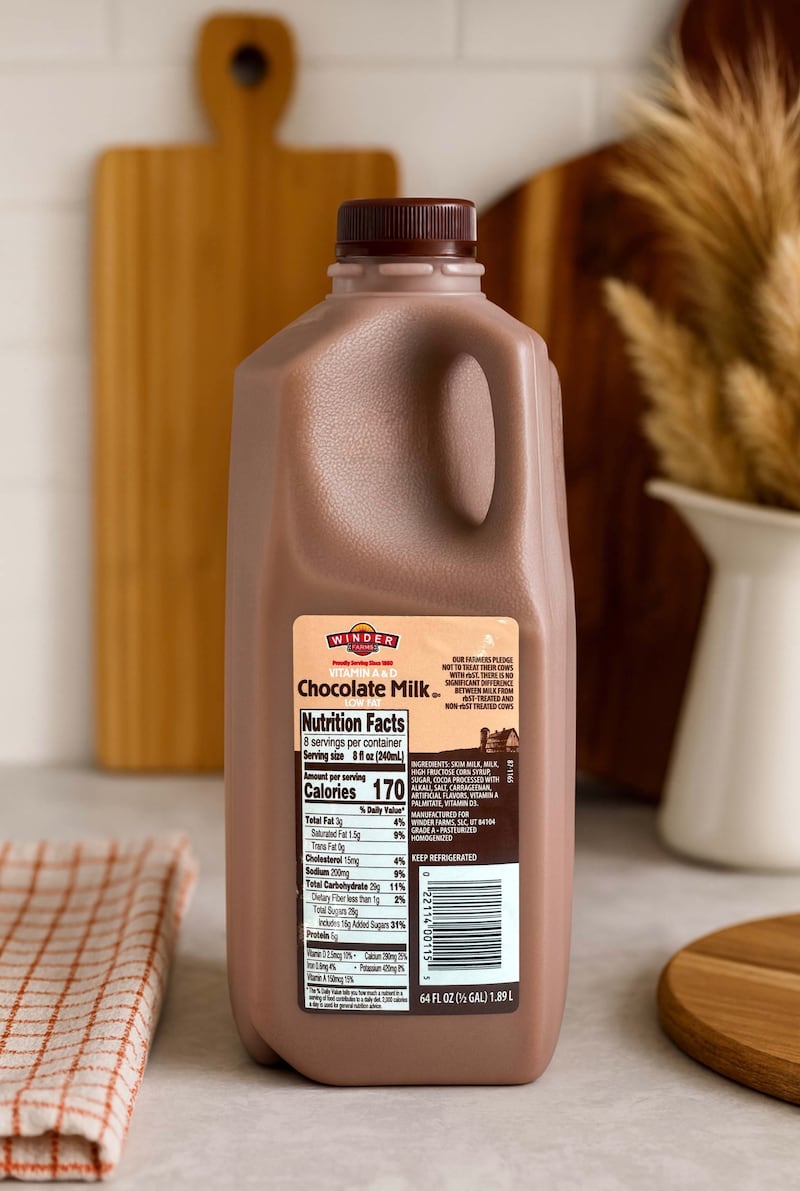
Winder Farms’ trimming of its product offerings from 300 to eight cut pretty close to the bone, but there are plans for a careful expansion of the catalog — starting with a whole milk chocolate milk, which is already on store shelves.
“Because our brand is well recognized, we’ve got some local retailers saying as long as we’re at the right price point, they’ll put us on the shelf to see what happens,” Winder says. “At some point, we hope to explore the possibility of other cultured dairy products such as yogurt, cottage cheese, sour cream, aged cheese, ice cream and potentially other dairy and non-dairy products.”
What’s old is new again
The reasoning behind Winder Farms outsourcing its delivery services also explains why they haven’t owned their own cows since the ‘70s.
“We’re going to let the experts at farming be the farmers. It typically requires a massive scale to run a dairy farm successfully. It’s a difficult business that I’m not looking to get back into because we can source quality ingredients and products along the supply chain and know they meet our high standards,” Winder says.
That shift in mindset, from vertically integrated to agile and partnership-focused, is a central theme of Winder’s larger strategy. And while he’s committed to modernization, he’s just as committed to holding on to the Winder Farms’ rich 145-year history.
“I hope we can find meaningful ways to generate a sense of nostalgia in our customers by, for example, reintroducing vintage products or offering nostalgic experiences,” Winder says. “It will take time to accomplish everything we want to, but progress is already being made.”