
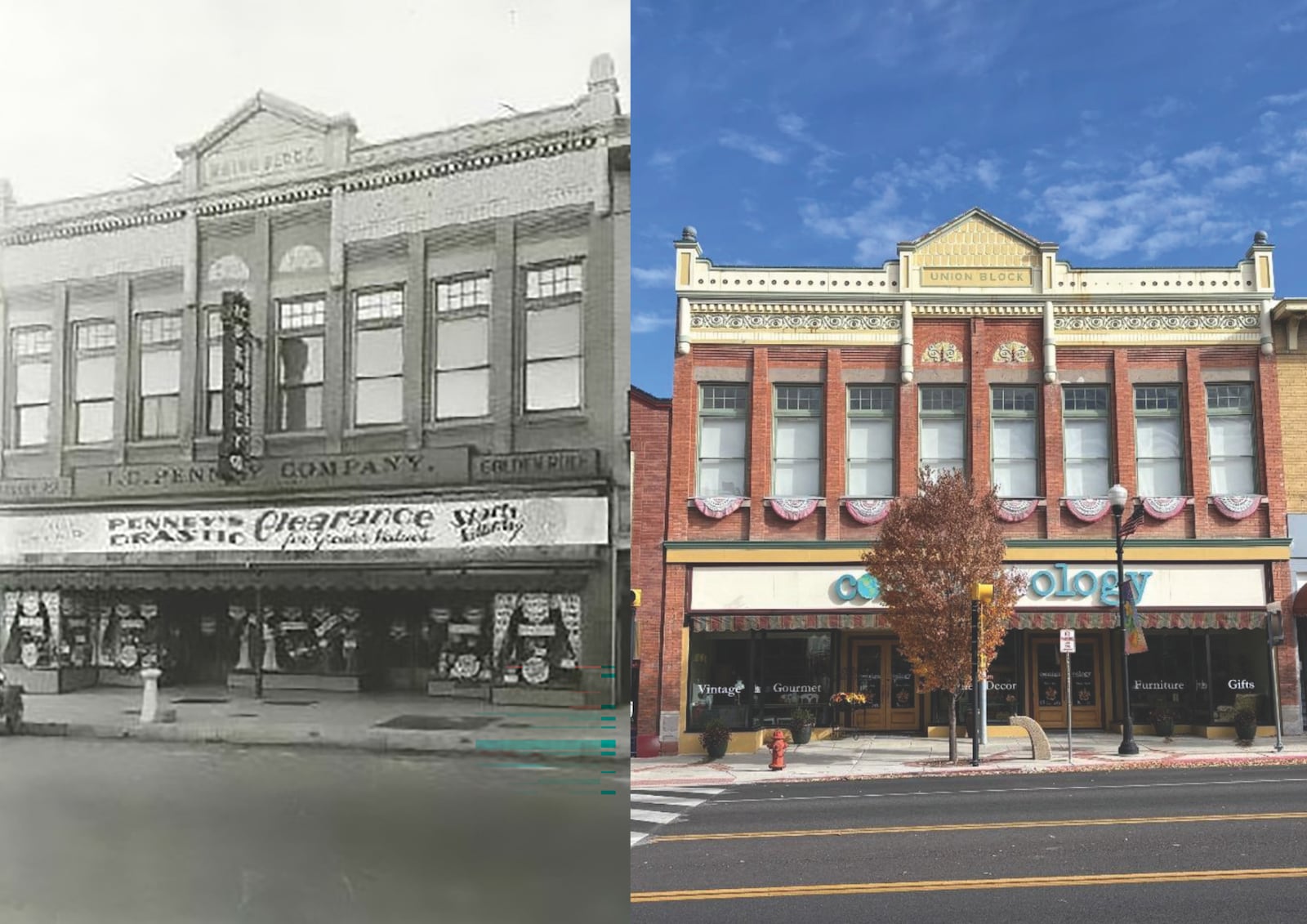
There’s just something special about an old building.
Maybe it’s the slight creak of the original hardwood floors, or the coziness of the solid brick walls that don’t let any outside sounds in. It could be the rustic charm of wood beams across the ceiling or the abundance of light from rows of windows in a historic industrial building.
New builds try to capture this lived-in feeling, but the result often evades the magnetism of the real thing. So what does it really take to turn an original building into a modern business? Surprisingly, it isn’t always the scary, unpredictable expenses some renovation shows make it out to be.
Jansen Bennett, the historic preservation architect at the Utah State Historic Preservation Office, says historic buildings have a tangible and intangible appeal: The tangible includes cost and location and the intangible is that previously described feeling.
“People talk about the ‘main street experience,’ where you’re seeing neighbors and you’re having an experience — not just getting your shopping done or running into a bakery. But there’s a sense of atmosphere that you get there as opposed to just going to a supermarket,” Bennett says.
For business owners exploring the possibility of a historic location, here are some tips to keep in mind.
Have reasonable expectations about the timeline
According to Bennett, there’s no exact timeline on how long a historic renovation may take; it could be anywhere from three months to five years.
For projects on the longer end of that estimate, there is a lot that can go wrong, but even more that can go right.
One example is the Bluebird Restaurant in Logan, a historic dining option and community gathering place. It closed in 2020 to undergo extensive renovations, and the building’s owner is adamant to preserve the restaurant’s character, including replicas of original features.
According to Bennett, taking time to organize and plan a project can minimize the impact on customers and owners. One recommendation Bennett gives is to wait to close a business until all documentation and design work are complete.
“There are also ways that you can phase the construction to happen in different steps to make sure certain parts of the building can still be used during the construction process,” Bennett says.
“It is a more viable option to renovate a historic building without spending a ton of money and still ensuring safety.”
— Jansen Bennett
Unexpected delays can still happen even with the best of planning. Bennett points to a change in building ownership or disasters like fires or earthquakes as examples. But these delays aren’t unique to historic buildings. New builds can also stall from developer changes, disasters or material backorders.
The draw of using an existing building, Bennett says, is that owners won’t start with a blank slate and have the advantage of original materials.
Match the building to the business
Not every historic building is right for every business.
“Making sure you have an appropriate use and an appropriate space is really beneficial,” Bennett says. “There are also considerations about the type of business and the size of the building space. It doesn’t make sense, for example, to put a coffee shop in something the size of a historic department store.”
The opposite is also true. The current Traeger headquarters are in the renovated Newspaper Agency Company building, which fits the brand’s industrial vibe and suits its needs for a large building. The space changed from a production center to an office headquarters, but it still retains some of the original lettering and features.
Of course, it’s helpful if the building is already suited to the business. An old restaurant with existing grease traps can become a new one, for example, saving on costs and changes to the infrastructure.
Eliminate myths about cost
Those familiar with renovation shows have seen how quickly the bills can add up. That fear might stop business owners from exploring a historic building option, but Bennett says that doesn’t have to be the case.
“When you have an existing building that can meet a use, typically it is at least cost comparable, if not less expensive, to keep that building and renovate — as opposed to tearing down a building, paying for the demolition and the handling of the materials, and then coming in with all of the materials and a blank site.”
Historic buildings even have advantages when it comes to materials and building techniques.
“All buildings are done with both aesthetics and cost in mind. Lots of the building techniques and materials that were cost-effective historically are not cost-effective now,” Bennett says.
Take brick walls as an example. A truly solid brick building costs enormously more to build today than in the past due to the higher cost of materials and labor. Instead, new builds try to emulate that feeling by putting a brick veneer over a framed wall. Bennett says this may have the desired aesthetic impact, but doesn’t have all the thermal and structural benefits of a historic masonry wall.
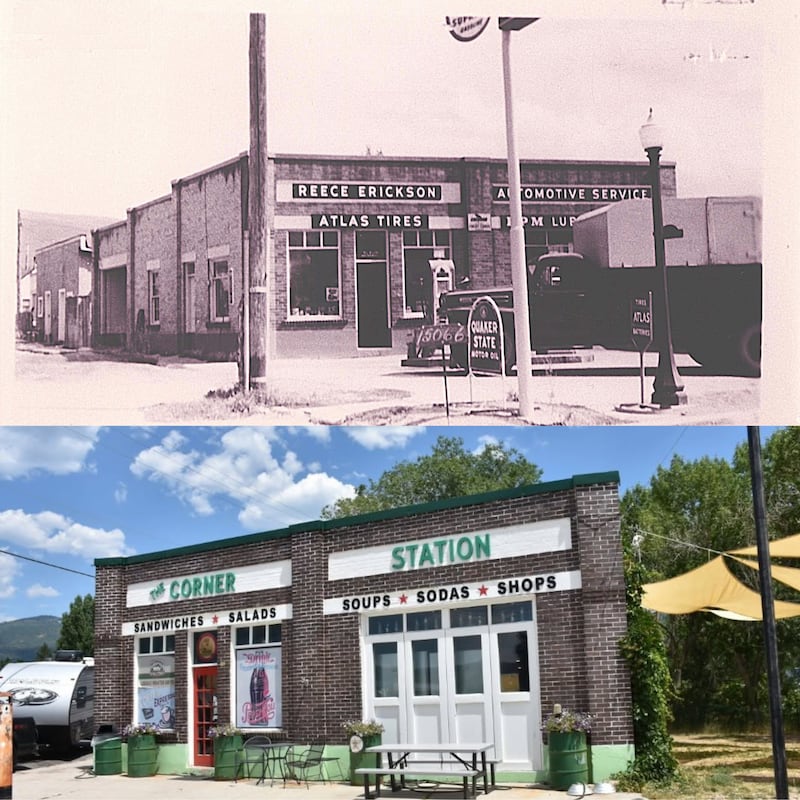
The idea that old buildings are unsafe is also a large misconception. Safety codes for buildings date back to the 19th century, and today there are different codes for existing buildings versus new builds. In all the projects Bennett has been involved with, code compliance is rarely an issue.
“It is a more viable option to renovate a historic building without spending a ton of money and still ensuring safety,” he says.
Use the right resources
Historic buildings are often eligible for financial incentives. Tax credits can make a project more feasible, and various grant programs for historic projects give access to money you wouldn’t get for a new build. More specifically, one tax credit program is “at the state level for residential programs, and one at the federal level for income-producing properties,” Bennett says. “Both are available — and could be used on the same project — for qualifying renovation projects.”
Grants and funds are available through the state and the National Trust for Historic Preservation, and interested business owners can contact the Utah State Historic Preservation Office, which will advise and provide assistance on a project’s viability.
“I do think that renovating a historic building is very frequently a good choice,” Bennett says. “I have seen very few projects where they regret renovating a historic building.”
