
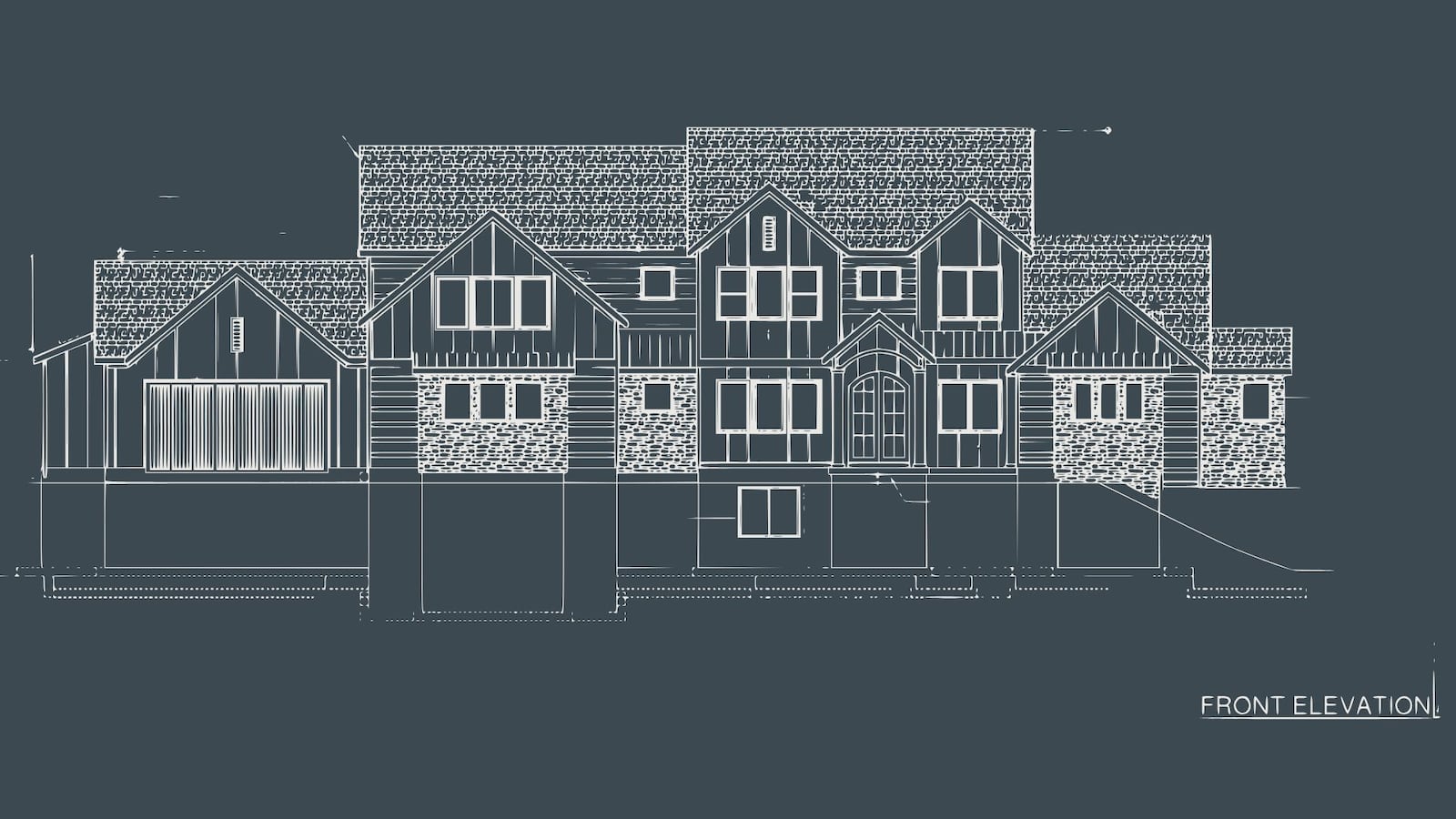
In 1946, Salt Lake City hosted the first Parade of Homes, a tradition that continues to this day across the United States. Featured houses are selected for innovation, craftsmanship and uniqueness.
Seventy-nine years after that first Parade, the 2025 Salt Lake City Parade of Homes featured another first: Project One, the world’s largest certified passive house.
With eight bedrooms, nine bathrooms, a racquetball court, home theatre, sauna, a “Lord of the Rings”-themed children’s play room and more, Project One took home six awards, including the People’s Choice award.
But what is a passive house? And should Utah prioritize building more of them?
What is a passive house?
“A passive house is just exceptionally well-insulated,” explains Alex Cross, CEO of Cross Construction and the builder behind Project One. “You understand the demand to heat and cool a home based on the climate zone that you’re in. In Utah, we can be in 100-degree [temperatures] in the summer and in the negatives in the winter. If you build an exceptionally well-insulated building, it doesn’t get affected by the outside temperature as much.”
Passive houses use higher-quality insulation and energy-efficient appliances. Every design detail is optimized for energy efficiency, including the floor plan, window and door placement, and landscaping. These changes significantly lower utility bills.
Cross says a standard 3,500-square-foot passive house uses the same amount of power as two hair dryers. A house the size of Project One could get a June electricity bill of up to $2,000, but instead, it received a $70 electricity credit (partially due to small solar panels).
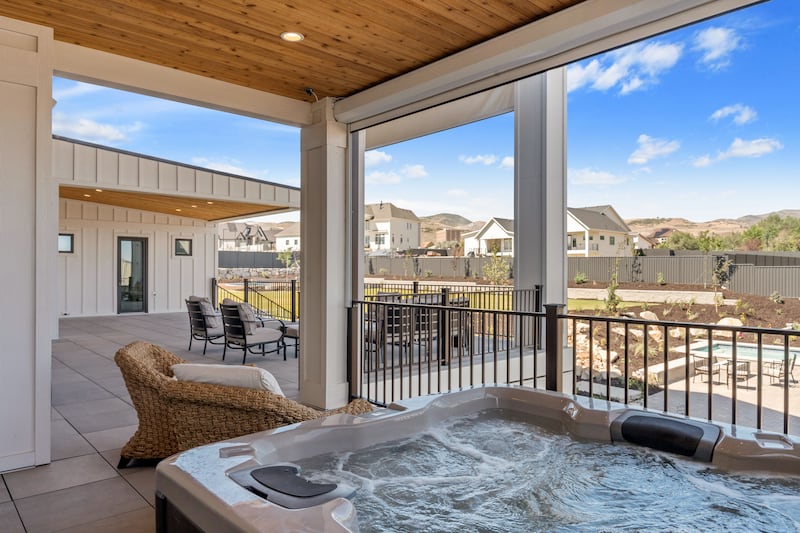
A “luxury” passive house?
Project One was not intended to be a passive house. Cross says construction had just broken ground when “the homeowner called me and asked me if I knew what a passive house was … I was familiar with it but had never built one. He said, ‘Well, I think we want to convert this and build a passive house.’ I just said, ‘Sure, let’s do it.’”
Passive House Institute US (Phius) certifies passive houses in addition to commercial and multi-family buildings. Projects work with a consultant to ensure energy efficiency thresholds and safety requirements are met. Pivoting after breaking ground meant changing the design plans and materials, Cross says.
Then there was an even bigger challenge: overcoming the passive house community’s bias against luxury homes.
“The passive house community wanted nothing to do with a 15,000-square-foot home being certified with their name on it,” Cross says. “Because of their political beliefs, a lot of the community believes … it’s immoral for anyone to live in a home of that size. I am in no way, shape or form subscribing to that belief. I believe that, if you have the means and methods to build something like that for your family, this is America. … If you’re going to do it, why not do it passive? These houses are going to be built either way.”
And in a way, passive houses are luxury houses. Eden Nelson, the 2025 Parade of Homes events director, says the biggest trend in luxury houses today is wellness. Built-in gyms, saunas and meditation rooms are becoming increasingly popular, and Cross says passive houses contribute to wellness by improving air quality.

“That’s the luxury that you can’t see, but you can feel,” he continues. “Respiratory illnesses are shown and proven to drop dramatically in these types of buildings. The benefit of that is we’re not polluting our environment with heating and cooling our home. So, it’s a win for everybody. It’s a win for someone who’s very environmentally focused, and it’s a win for somebody who just wants a healthy, luxurious home to live in.”
This is especially important in Utah. The American Lung Association’s “Most Polluted Cities” list ranked Salt Lake City the 9th worst U.S. city for ozone pollution and the 25th worst for short-term particle pollution. Multiple studies connect poor air quality to health outcomes, including increased risks of dementia, respiratory illnesses and reproductive issues. One study found that Salt Lake City third graders got lower test scores when air pollution spiked. Utah’s Department of Air Quality’s 2022 report predicted that residential and commercial areas could become Utah’s top contributors to air pollution in the future. As Salt Lake Valley grows, so will air pollution, and passive houses mitigate this risk.
Passive houses also have lower monthly utilities. Phius expert Wolfgang Feist claims passive house energy bills are 90 percent lower compared to old builds and 75 percent lower than new builds. With increasing utility costs, the savings are likely to increase. In April, Rocky Mountain Power requested a 30 percent increase in electricity costs. Utah legislators denied the request in favor of a 4.7 percent increase.
Should all new homes be passive?
Despite their benefits, passive houses remain rare in the U.S. Phius has certified only 7,000 passive developments — including commercial, apartments, houses and public buildings — although the number is growing.
Awareness and the certification process are parts of this. Another reason is incentive mismatch. Phius claims passive houses increase conventional home building costs by only 3 to 5 percent. The people who paid for Project One now live there. They were happy to pay a little more up front for future benefits. However, most housing in Utah is financed and overseen by investors and developers who will never live in the houses they build.

Cross is just one builder doing a handful of custom houses a year, but he hopes more builders in the valley will start building passive.
“I think that’s part of our identity as a state,” he says. “We want to build upon what was before us and do it better as we grow individually, as our businesses grow, and as our state grows. … We need to learn and grow and do better as time goes on.”