
This story appears in the December 2025 issue of Utah Business. Subscribe.
1. Show up (in person!)
“We bring an ownership mentality to every single brand. We show up, we care about their revenue, we care about their bottom line, we care about their employees being taken care of, and we care about their company being good and looking good and getting out there. That’s why we love to work with small- to medium-sized businesses and grow with them. … When things get hard, the team rallies together. We find clients, we go to events and put boots on the ground, and we’re not afraid to [fail]. … Dreaming is huge because when things get hard, if your dream is not big enough, you’ll quit. Your next biggest success is just right around the corner.”
Founder & CEO, XL PR, Salt Lake County
2. Scale with purpose
“We’ve been able to expand into 15 or 16 states nationwide. … I’d like to see more consistent profitability in 2026 but also remain true to my core values, the quality of the product, the community and the personalized service. … In 2026, [I want to start] conversations with various finance and manufacturing people who can help guide and mentor me. I’ve been lucky enough to bump into a lot of very successful business people who have equestrian ties, and they’re all very encouraging. That will help me possibly scale, and if I need to move out of my kitchen on my property, [those connections will help me] find the right place where we can be productive and fulfill orders in a way that continues the same kind of quality. … [The business is] rooted in happiness and balance for me because it’s an area that I love.”
— Lee Rech
Founder, Gilly’s Magic Muffins, Salt Lake City
3. Focus on branding
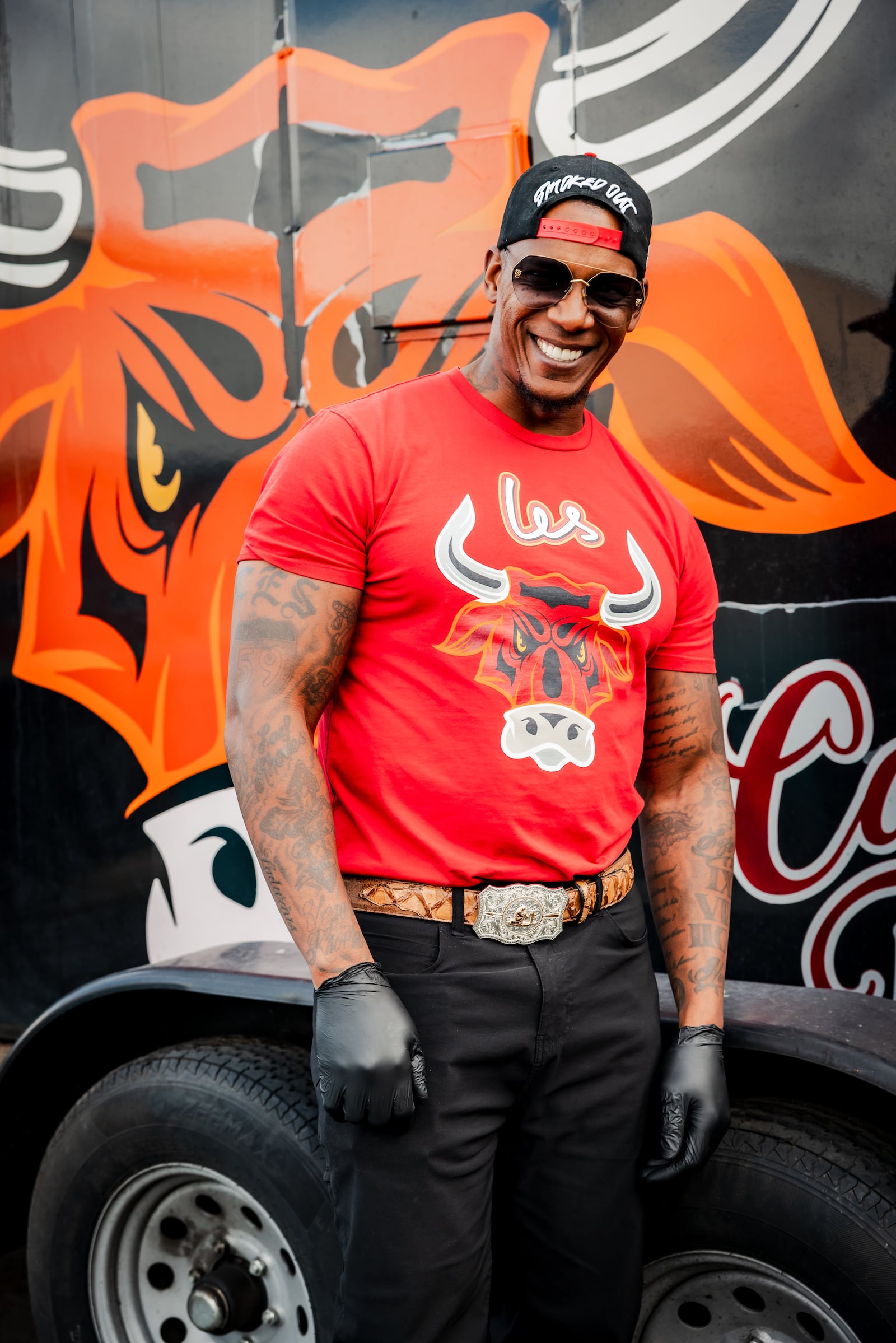
“We barbecued as kids in Texas, but … I never intended to be famous. I was just trying to sell it. … The goal in 2026 will be branding. I was the brand for the longest time; I still am. So we’re trying to make that transition, to get people to look at [the bull logo] and get the bull all across the world. … It can’t be just me [helping the business] grow. It takes all of us. I look forward to doing pop-ups across the country and going out and meeting the fans.”
Founder, Les BBQ, Draper
4. Create bespoke community experiences
“We were a music blog before we were a store. We’ve added an online radio station. We’ve started booking shows. Probably not too far in the distant future, I’m sure we’ll have a curriculum of DJ and music engineering classes that people can be a part of. I wouldn’t be surprised if we start releasing special vinyl variants of some of our favorite artists. … We have a vision [to] continue what we do as a record store, but [to make] this … a usable space for the community. … We’re also looking at [filling] out the rest of that calendar with trivia nights, movie nights, even stuff that doesn’t feel super music related, but we can play music in the background. … You can do almost anything while listening to music, and it makes the whole thing feel like more of an experience.”
Owner, 3hive Record Lounge, Provo
5. Build loyalty through membership programs
“Around seven years ago, the news came out that St. George had the fastest-growing metro area in the country, and they didn’t even have any independent bookstores. I said, ‘OK, I’m just going to open one myself.’ … We have worked with authors like Terry Tempest Williams, Jennifer Nielsen, Jeff Kinney and Matthew Gray Gubler. Things like that keep dropping in my lap. … We started a membership program this year, and we exceeded our expectations. So we need to see that grow. … It’s very hard to be profitable in the independent bookstore business. … People are loyal customers who appreciate the events. They like to talk about books. It’s a great way for the community to get together, and we need more togetherness in our communities these days.”
Owner & Manager, The Book Bungalow, St. George